
雅思口语中的游泳话题
雅思口语考试中,"swimming"是一个常见且贴近生活的话题,可能出现在Part 1的日常对话、Part 2的个人经历描述,或Part 3的社会现象讨论中,掌握这一话题不仅能展现语言能力,还能通过具体细节和逻辑结构获得高分,以下从多个角度解析如何准备与回答,并提供实用建议。
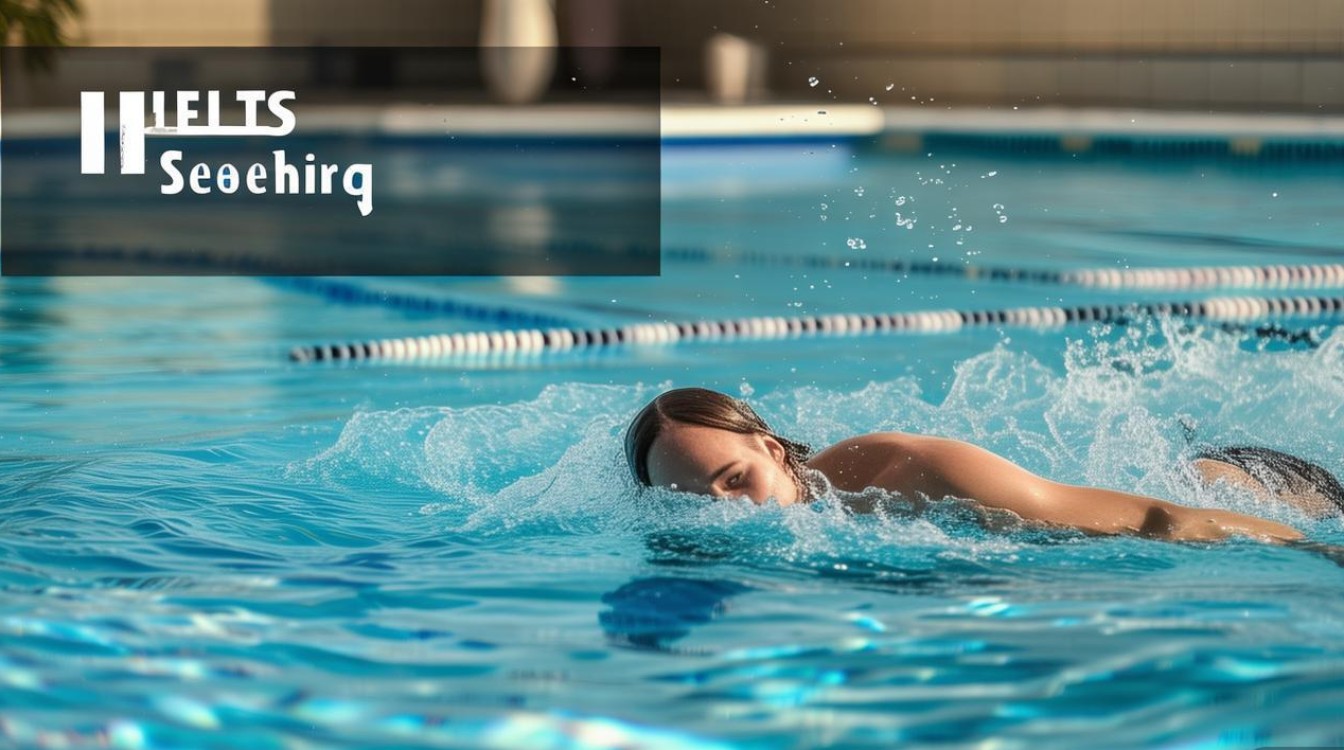
游泳的基本信息与常见问题
在Part 1中,考官可能会围绕游泳展开简单提问,
- Do you like swimming?
- How often do you go swimming?
- What do you enjoy about swimming?
回答时需注意:
- 明确立场:直接表达喜欢或不喜欢,并给出理由。"I love swimming because it’s a great way to relax and stay active."
- 补充细节:增加频率、地点或感受等具体信息。"I go swimming twice a week at the local pool, which is only a 10-minute walk from my home."
描述与游泳相关的经历(Part 2)
Part 2的卡片题可能要求描述一次难忘的游泳经历,
"Describe a time you went swimming. You should say:
- Where and when it happened
- Who you were with
- What you did during the swimming
- And explain why it was memorable."
结构化回答建议:
- 开头引入:点明时间、地点和人物。"Last summer, I went swimming with my family at a beach in Hainan."
- 过程描述:使用时间顺序或逻辑连接词(First, Then, Finally)展开细节。"First, we spent an hour building sandcastles, then we swam in the clear blue water."
- 情感与意义:解释为何难忘。"It was memorable because it was the first time I tried snorkeling, and I saw colorful fish swimming around me."
游泳的社会意义与讨论(Part 3)
Part 3可能涉及更深层次的问题,如:
- Why do you think swimming is a popular sport?
- Should schools teach swimming as a compulsory subject?
高分回答技巧:
- 多角度分析:从健康、社交、文化等方面展开。"Swimming is popular because it’s accessible to all ages, improves cardiovascular health, and is often a social activity in communities."
- 举例论证:用具体例子支持观点。"In many countries, swimming lessons are mandatory in schools to reduce drowning rates, especially in coastal areas."
实用词汇与表达
以下是游泳话题相关的词汇和短语,可灵活运用于回答中:
| 类别 | 词汇/短语 |
|---|---|
| 动作 | breaststroke (蛙泳), freestyle (自由泳), dive (潜水) |
| 设施 | swimming pool (游泳池), locker room (更衣室), lane (泳道) |
| 感受 | refreshing (提神的), invigorating (令人振奋的), therapeutic (有疗效的) |
| 优点 | full-body workout (全身锻炼), low-impact (低冲击力), stress relief (减压) |
常见错误与注意事项
- 避免笼统回答:例如只说"Swimming is fun",而缺乏具体细节。
- 语法准确性:注意时态一致性(如描述过去经历用一般过去时)。
- 自然衔接:使用连接词(However, Additionally)使逻辑更清晰。
相关问答FAQs
Q1: 如何在雅思口语中描述学习游泳的过程?
A1: 描述学习游泳时,可采用“挑战-努力-结果”的结构。"I learned swimming at age 8. Initially, I was afraid of water, but with my father’s guidance, I practiced floating and basic strokes. After a month, I could swim independently, which boosted my confidence."
Q2: 雅思口语中如何比较游泳和其他运动?
A2: 通过对比优缺点展开。"Unlike running, which is high-impact and hard on joints, swimming is low-impact and suitable for people with injuries. However, swimming requires access to a pool, while running can be done anywhere."
通过以上准备,考生可以更自信地应对雅思口语中的游泳话题,展现流利的语言能力和丰富的内容表达。