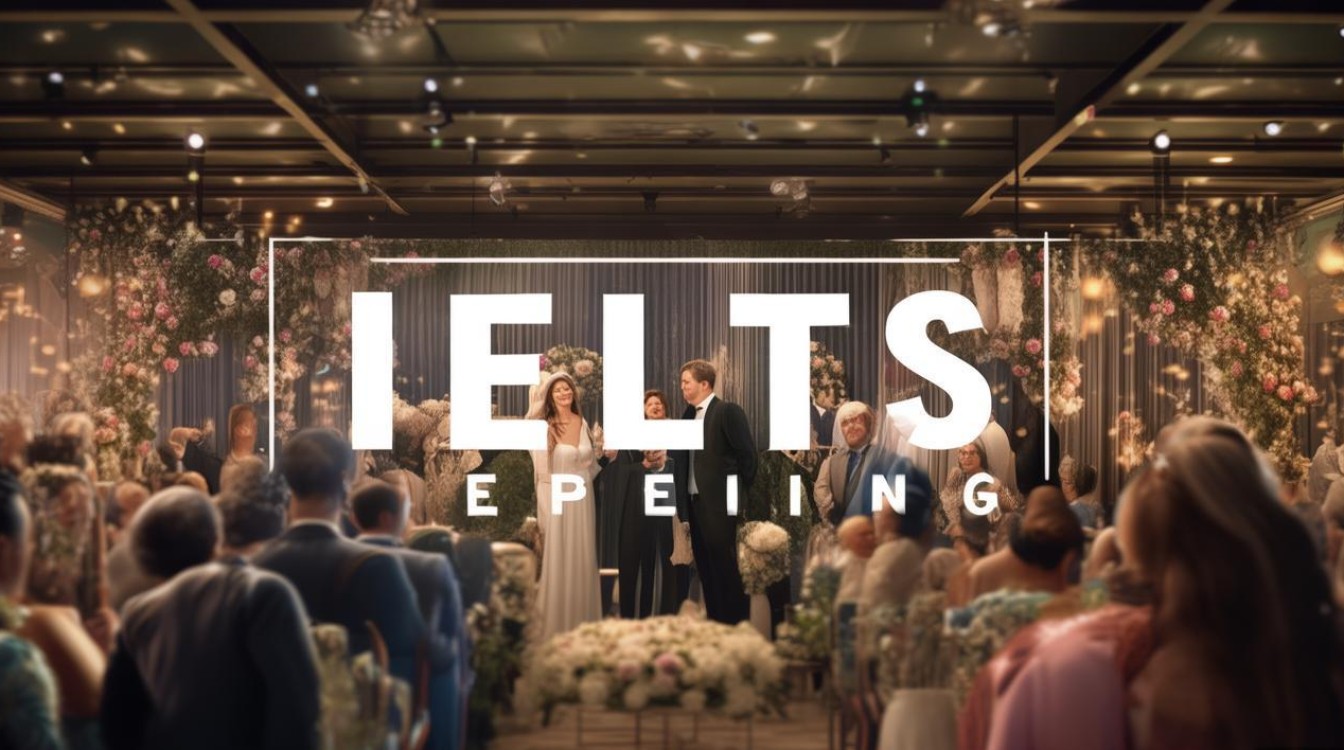
A Wedding
在雅思口语考试中,“a wedding”是一个高频话题,涉及个人经历、文化习俗、情感表达等多个方面,考生需要从个人故事、婚礼细节、文化意义等角度展开,同时注意语言的流畅性和词汇的丰富性,以下将从常见问题、词汇表达、结构框架和文化背景四个方面进行详细解析,帮助考生更好地准备这一话题。
常见问题与回答思路
雅思口语中关于“a wedding”的问题通常分为三类:个人经历类、婚礼细节类和文化意义类,考生需根据问题类型调整回答重点,确保内容具体且有逻辑。
个人经历类
典型问题:
- “Describe a wedding you attended.”
- “Tell me about a wedding that left a deep impression on you.”
回答思路:
- 引入:明确说明婚礼的时间、地点、与新人关系(如朋友、家人)。
- 主体:描述婚礼现场的环境(装饰、音乐)、流程(仪式、宴会)、印象深刻的细节(新人的誓言、亲友的反应)。
- 表达个人感受(如感动、快乐)或对婚礼的评价(如温馨、难忘)。
示例:
“Last summer, I attended my cousin’s wedding in a countryside villa. The venue was decorated with white flowers and fairy lights, creating a romantic atmosphere. The most touching moment was when my cousin read his vows—he mentioned how they supported each other through tough times, and many guests were moved to tears. After the ceremony, we had a lively party with traditional Chinese dances and a wedding cake. It was a perfect blend of emotion and celebration, and I felt honored to share their joy.”
婚礼细节类
典型问题:
- “What kind of clothes do people wear at weddings in your country?”
- “What traditions are common at weddings in your culture?”
回答思路:
- 具体化:列举1-2个典型习俗或物品,避免泛泛而谈。
- 解释原因:说明习俗背后的文化含义(如象征吉祥、祝福)。
- 对比:可提及现代与传统婚礼的差异(如简化仪式、融合西式元素)。
示例(以中国婚礼为例):
“In China, traditional weddings often feature red decorations, as red symbolizes luck and happiness. Brides typically wear a red qipao or a modern white wedding dress, while grooms may wear a suit or traditional tang suit. A key tradition is the ‘tea ceremony,’ where the couple serves tea to elders to show respect and receive blessings. Nowadays, many young couples also incorporate Western elements, like exchanging rings or having a bouquet toss, making weddings more diverse.”
文化意义类
典型问题:
- “Do you think weddings are important in society?”
- “How have wedding traditions changed in your country over time?”
回答思路:
- 观点明确:先回答“是”或“否”,再展开论述。
- 多角度分析:从家庭、社会、经济等层面说明婚礼的意义(如维系家庭关系、促进社交消费)。
- 举例对比:用过去与现在的对比体现变化(如从集体婚礼到个性化定制)。
示例:
“Yes, I believe weddings are important in society. They not only celebrate the union of two people but also strengthen family and community bonds. For example, in my grandparents’ time, weddings were large community events where neighbors contributed food and decorations, fostering a sense of unity. Nowadays, while weddings are smaller and more personalized, they still serve as a platform for families to reconnect and share joy. However, some traditional rituals have simplified, like reducing the number of formal toasts, to focus more on the couple’s happiness.”
核心词汇与表达
掌握与“wedding”相关的高频词汇和短语,能显著提升回答的准确性和丰富度,以下分类整理常用表达:
| 类别 | 词汇/短语 |
|---|---|
| 婚礼类型 | traditional wedding, Western-style wedding, destination wedding, civil wedding |
| 人物 | bride, groom, best man, maid of honor, guests, relatives, wedding planner |
| 仪式流程 | exchange vows, cutting the cake, first dance, toast, proposal, engagement |
| 装饰与场地 | decorations, flowers (roses, lilies), venue, banquet hall, aisle, altar |
| 情感与氛围 | romantic, joyful, touching, memorable, lively, emotional, festive |
| 文化习俗 | tea ceremony, dowry, bachelor party, bridal shower, lucky money, red envelope |
回答结构框架
为使回答逻辑清晰,建议采用“总-分-总”结构,并用连接词过渡(如 Firstly, Moreover, In addition, Finally),以下以“Describe a wedding you attended”为例:
-
总起(Introduction):
- 点明婚礼的基本信息(时间、人物、地点)。
- 用一句话概括整体印象(如 “It was one of the most beautiful weddings I’ve ever seen”)。
-
分述(Body):
- 细节1:环境与装饰(如场地风格、鲜花布置)。
- 细节2:仪式亮点(如誓言、特殊环节)。
- 细节3:宴会氛围(如食物、音乐、互动)。
-
Conclusion):
- 重申感受(如 “I felt happy for the couple and inspired by their love”)。
- 提及对婚礼的长期影响(如 “It made me believe in true love”)。
文化背景与地域差异
不同国家和地区的婚礼习俗差异显著,了解这些差异能帮助考生在考试中展现跨文化意识,以下简要对比中西方婚礼:
| 方面 | 中国传统婚礼 | 西方传统婚礼 |
|---|---|---|
| 主色调 | 红色(象征吉祥) | 白色(象征纯洁) |
| 仪式核心 | 敬茶、敬酒(表达对长辈尊重) | 宣誓、交换戒指(承诺永恒) |
| 服饰 | 新娘穿红色旗袍,新郎穿中山装或西装 | 新娘穿白色婚纱,新郎穿黑色礼服 |
| 特色环节 | 抛绣球、闹洞房(增添趣味性) | 掷捧花、切婚礼蛋糕(传递祝福) |
| 宴席 | 圆桌宴,菜品丰富(如鱼、龙凤汤) | 自助餐或正式晚宴,多层婚礼蛋糕 |
FAQs 相关问答
Q: 如何在雅思口语中避免关于“a wedding”的回答过于笼统?
A: 避免使用“it was a nice wedding”等模糊表述,而是通过具体细节和个人感受让回答更生动,描述婚礼时加入五感细节(视觉:鲜花装饰;听觉:现场音乐;味觉:婚礼蛋糕的味道),或提及一个印象深刻的小故事(如“the groom surprised the bride with a live band playing their favorite song”),使用数据或对比(如“50 guests attended” vs. “small and intimate”)也能增强内容的真实性。
Q: 如果没有参加过婚礼,如何在雅思口语中回答相关问题?
A: 即使没有亲身经历,仍可通过合理想象或间接经验构建回答,描述朋友或家人的婚礼(“My friend told me about her wedding…”),或结合文化常识虚构一个场景(“In a traditional Chinese wedding, I imagine…”),关键在于逻辑连贯,细节合理,并加入个人观点(如“I think such traditions are meaningful because…”),考试更看重语言表达能力和逻辑思维,而非经历的真实性。