
雅思口语中的Quiz Show话题解析与备考策略
雅思口语考试中,"Quiz Show"(智力竞赛节目)是一个常见的话题,尤其在Part 1和Part 2中高频出现,这类话题不仅考察考生的语言表达能力,还涉及对文化现象的理解和个人观点的阐述,本文将从话题特点、高频问题、回答技巧、备考建议及常见误区五个方面,全面解析如何应对雅思口语中的Quiz Show话题,帮助考生高效备考,提升口语成绩。
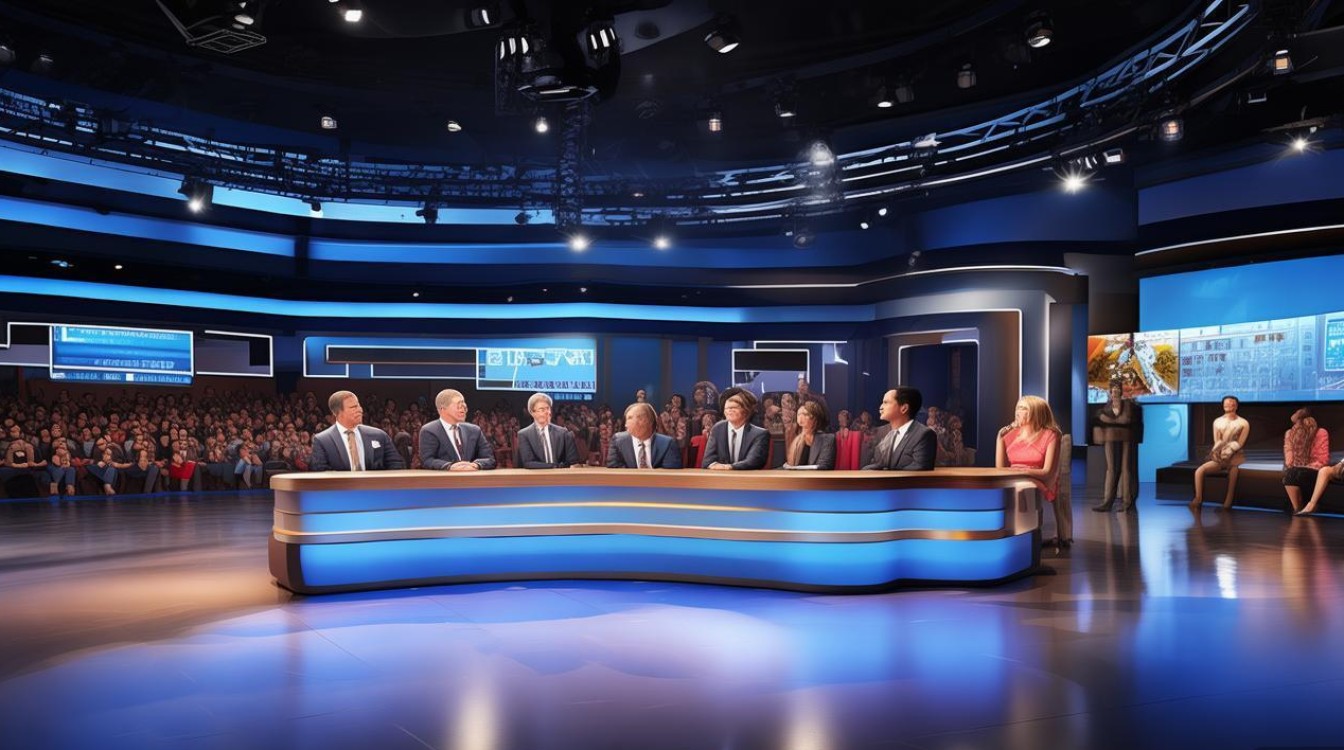
Quiz Show话题的核心特点
Quiz Show作为雅思口语的常见话题,具有以下特点:
- 文化关联性强:不同国家的Quiz Show形式各异(如英国的《The Chase》、中国的《最强大脑》),考生需结合自身文化背景展开论述。
- 考察逻辑与细节:考官会追问节目细节(如环节设计、参赛者表现),要求考生具备清晰的逻辑和细节描述能力。
- 观点表达要求高:Part 3常涉及对节目社会意义的讨论,需考生表达批判性思维。
高频问题与回答框架
以下是Quiz Show话题的高频问题及推荐回答框架:
Part 1:基础问答
-
Do you like watching quiz shows?
- 回答框架:表态 → 原因 → 举例
- 示例:"Yes, I enjoy quiz shows because they test my knowledge and keep me engaged. For instance, The Hundred is my favorite as it combines speed and strategy."
-
What kind of quiz shows are popular in your country?
- 回答框架:列举类型 → 说明原因 → 举例
- 示例:"In China, academic-themed shows like Chinese Poetry Conference are popular because they promote traditional culture. Talent-based quiz shows, such as Super Brain, also attract viewers for their spectacular challenges."
Part 2:个人经历描述
Describe a quiz show you enjoy watching.
- 回答框架:
- 节目名称与类型
- 观看原因(娱乐性/教育性)
- 难忘的环节或细节
- 个人感受与推荐理由
- 示例:"I’d like to talk about Who Wants to Be a Millionaire?, a classic British quiz show. I love its suspenseful format and lifeline options. Once, a contestant used the ‘Ask the Audience’ lifeline wisely, which impressed me. It’s both entertaining and intellectually stimulating."
Part 3:深度讨论
-
Why do some people prefer quiz shows over other TV programs?
- 回答框架:对比其他节目 → 分析Quiz Show优势 →
- 示例:"Unlike reality shows, quiz shows require active participation, making viewers feel involved. They also offer mental exercise, which is more rewarding than passive entertainment like dramas."
-
Do you think quiz shows have educational value?
- 回答框架:观点 → 正反论证 →
- 示例:"Absolutely. Shows like Jeopardy! cover diverse topics, from history to science, expanding viewers’ knowledge. However, excessive focus on winning may overshadow the learning aspect."
回答技巧与语言提升
-
丰富词汇与句式:
- 避免重复使用"quiz show",可用"game show," "panel show," or "knowledge-based competition"替代。
- 复杂句式举例:"Not only do quiz shows entertain, but they also enhance cognitive abilities."
-
细节描述与情感表达:
- 使用感官词汇("heart-pounding," "nerve-wracking")增强画面感。
- 表达个人观点时,加入情感词汇("I’m fascinated by," "I find it thrilling")。
-
逻辑连接词:
- 转折:"However," "On the other hand,"
- 递进:"Moreover," "Furthermore,"
- 因果:"Therefore," "As a result,"
备考建议与资源推荐
-
素材积累:
- 列举5-10个全球知名Quiz Show(如《Wheel of Fortune》《Deal or No Deal》),记录其特色词汇("host," "prize money," "elimination round")。
- 观看节目片段,模仿主持人与选手的对话语调。
-
模拟练习:
使用下表进行话题分类训练:
| 话题类型 | 练习重点 | 推荐节目示例 |
|---|---|---|
| 学术类 | 专业词汇、逻辑分析 | 《The Chase》 |
| 娱乐类 | 幽默表达、细节描述 | 《Hollywood Squares` |
| 文化类 | 传统元素、跨文化对比 | 《中国诗词大会》 |
- 时间管理:
Part 2控制在1-2分钟内,用"Firstly," "Secondly," "Finally"结构化回答。
常见误区与注意事项
-
避免泛泛而谈:
- 错误示例:"Quiz shows are fun."
- 正确示例:"What fascinates me about quiz shows is the strategic use of lifelines, which adds layers of tension."
-
避免文化偏见:
- 不贬低他国节目,"While Indian quiz shows like Kaun Banega Crorepati focus on local trivia, Western shows like Jeopardy! offer broader global knowledge."
-
不回避难题:
- 若被问及不熟悉的节目,可诚实表达并转向相关话题:"I haven’t watched Family Feud, but similar family-oriented shows emphasize teamwork and quick thinking."
FAQs
Q1: 如何在Part 2中避免描述过于笼统?
A1: 采用“具体细节+个人感受”的结构,描述节目时,提及一个具体环节(如“the final round where contestants buzz in to answer”)并加入情感(“I was on the edge of my seat when a contestant answered a question about quantum physics correctly!”),使用数据或专有名词(如“hosted by Amitabh Bachchan”)增强真实感。
Q2: 雅思口语中是否需要背诵Quiz Show的模板答案?
A2: 不建议完全背诵模板,但可借鉴框架,考官注重自然流畅的表达,过度背诵可能导致生硬或不切实际的内容,建议结合自身经历(如“Last weekend, I watched National Quiz with my family”)并灵活调整句式,展现语言运用的灵活性。