
雅思口语中的Sculpture话题解析
在雅思口语考试中,Sculpture(雕塑)是一个常见的话题,可能出现在Part 1的日常交流、Part 2的个人经历描述或Part 3的社会文化讨论中,考生需要掌握与雕塑相关的词汇、表达方式以及文化背景,才能流利、深入地展开对话,本文将从词汇积累、话题延伸、文化背景和应试技巧四个方面,全面解析如何在雅思口语中谈论雕塑。
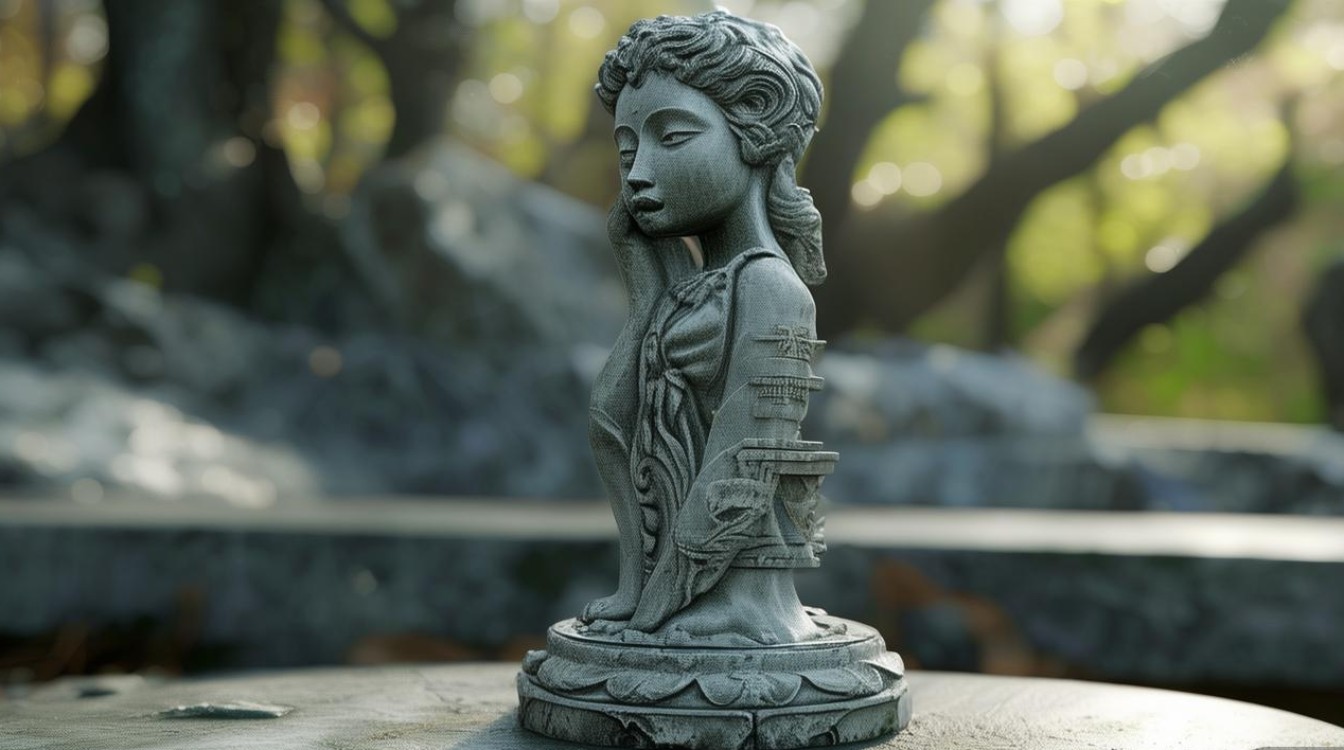
核心词汇与表达
掌握与雕塑相关的词汇是回答的基础,以下是一些高频词汇及其用法:
| 类别 | 词汇示例 | 例句 |
|---|---|---|
| 雕塑类型 | statue, bust, relief, installation | The museum houses a marble statue of Venus. |
| 材质 | bronze, clay, stone, metal | Modern artists often use recycled metal. |
| 动词 | carve, sculpt, mold, cast | She learned to carve wood at a young age. |
| 形容词 | abstract, realistic, intricate | The relief is so intricate that it tells a whole story. |
| 相关场所 | gallery, museum, studio, exhibition | I visited an open-air sculpture park last weekend. |
考生还需学会描述雕塑的细节,如:“The sculpture captures the dynamic movement of the dancer”(雕塑捕捉了舞者的动态)或“The texture of the bronze surface is rough and textured”(青铜表面的质感粗糙而富有层次)。
话题延伸与思路拓展
雅思口语话题往往从个人经历延伸至社会文化,以下是一些可能的延伸方向:
-
个人经历
- 是否参观过雕塑展览?
“Last year, I went to the Venice Biennale, where I saw many innovative installations.”
- 是否尝试过制作雕塑?
“In high school art class, I molded a small clay figure, which was challenging but fun.”
- 是否参观过雕塑展览?
-
文化意义
- 雕塑如何反映历史或价值观?
“Statues of national heroes often symbolize pride and collective memory.”
- 现代雕塑与传统雕塑的区别?
“Modern sculptures tend to be abstract, while traditional ones focus on realism.”
- 雕塑如何反映历史或价值观?
-
个人观点
- 是否喜欢雕塑?为什么?
“I love sculptures because they combine art and engineering, creating tangible art.”
- 公共空间是否应放置雕塑?
“Yes, public sculptures make cities more vibrant and culturally rich.”
- 是否喜欢雕塑?为什么?
文化背景与实例
了解不同文化中的雕塑艺术,可以帮助考生在Part 3中展开深入讨论。
- 西方雕塑:古希腊的《掷铁饼者》强调人体美,文艺复兴时期米开朗基罗的《大卫》体现人文主义精神。
- 东方雕塑:中国的兵马俑反映古代军事文化,日本的佛像雕塑融合宗教与艺术。
- 当代雕塑:如草间弥生的“南瓜”系列,以波普艺术风格闻名。
考生可以结合实例,“The Terracotta Army is a remarkable example of ancient Chinese sculpture, showcasing both artistic skill and historical significance.”
应试技巧
- 结构清晰:使用“观点+解释+例子”的结构,“I find sculptures fascinating because they are three-dimensional and immersive. For instance, the Cloud Gate in Chicago creates a mirror effect that engages viewers.”
- 避免重复:用近义词替换,如用“craft”代替“make”,用“masterpiece”代替“great work”。
- 自然过渡:使用连接词,如“Moreover,” “On the other hand,” 或 “This reminds me of……”
FAQs
Q1: 如何在雅思口语Part 2中描述一件雕塑?
A1: 可以遵循“基本信息+外观细节+个人感受”的结构。
- “Describe a sculpture you like.”
“I’d like to talk about ‘The Kiss’ by Auguste Rodin. It depicts a couple embracing, with intricate details in their flowing robes. What impresses me most is the emotion it conveys—love and tenderness. I saw it in a museum in Paris, and it left a deep impression on me.”
Q2: 如何应对雅思口语中关于雕塑的抽象问题?
A2: 对于抽象问题(如“Do you think sculptures will be replaced by digital art?”),可以采用“辩证回答+举例”的方式。
- “While digital art is gaining popularity, sculptures offer a tactile experience that digital forms cannot replicate. For example, feeling the texture of stone or bronze adds a sensory dimension. However, digital sculptures might become more accessible in virtual galleries. So, I believe both will coexist.”
通过以上准备,考生可以在雅思口语中自信、流畅地谈论雕塑,展现语言能力和文化素养。