
Animals: Our Diverse Companions and Wonders of Nature
Animals have been an integral part of human life for millennia, serving as companions, sources of sustenance, and even inspirations for art and culture. From the depths of the oceans to the highest mountains, the animal kingdom is a vast and diverse realm, with over 8.7 million species sharing our planet. Each species plays a unique role in maintaining ecological balance, while many have forged deep bonds with humans through domestication and mutual dependence.
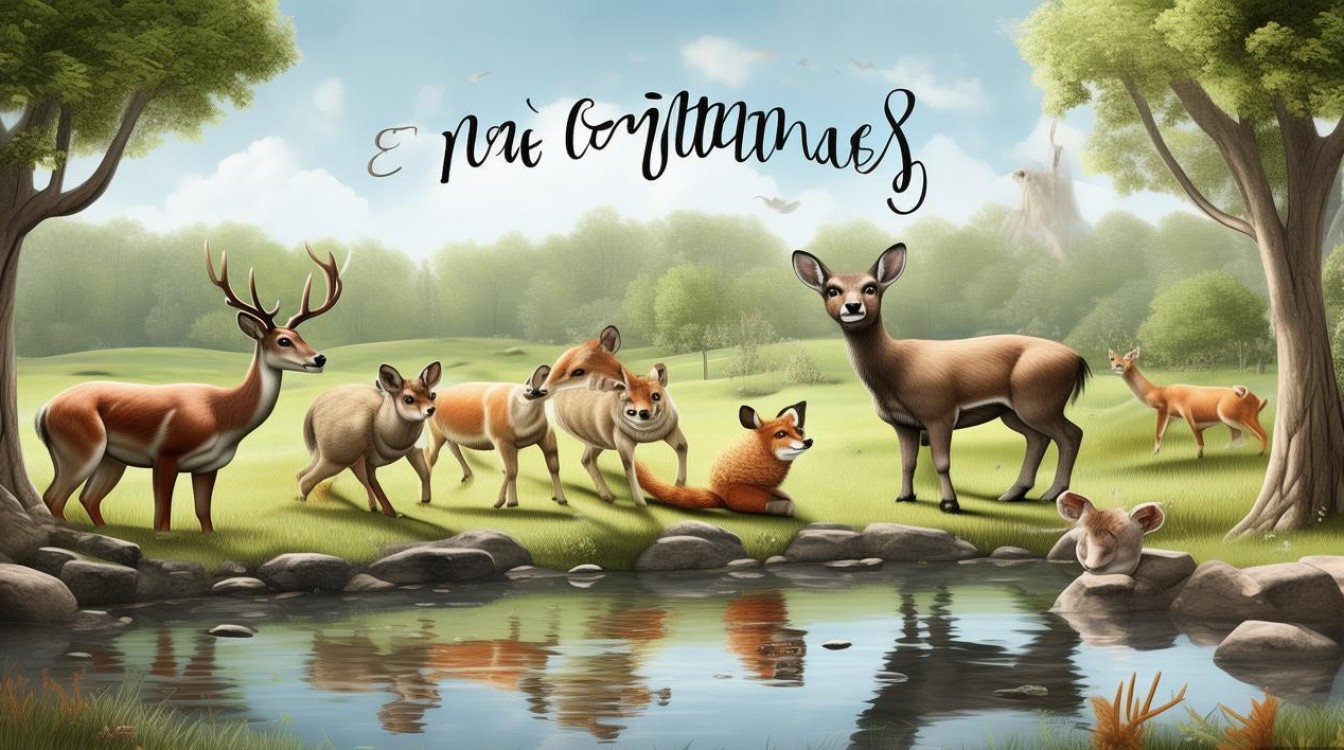
The Importance of Animals in Ecosystems
Animals are crucial to the health of ecosystems. Pollinators like bees and butterflies facilitate plant reproduction, ensuring the growth of fruits, vegetables, and flowers. Predators such as lions and wolves regulate prey populations, preventing overgrazing and habitat degradation. Scavengers, like vultures, clean up carcasses, reducing the spread of diseases. Even small creatures, earthworms, for example, aerate the soil, promoting plant growth. Without animals, ecosystems would collapse, leading to a loss of biodiversity and environmental stability.
| Role of Animals | Examples | Impact |
|---|---|---|
| Pollinators | Bees, butterflies | Enable plant reproduction |
| Predators | Lions, wolves | Control prey populations |
| Scavengers | Vultures, hyenas | Prevent disease spread |
| Decomposers | Earthworms, fungi | Recycle nutrients |
Domesticated Animals: Human Companions
Many animals have been domesticated over thousands of years, forming symbiotic relationships with humans. Dogs, often called "man’s best friend," provide companionship, assistance, and even emotional support. Cats, valued for their hunting skills, have become beloved pets in households worldwide. Livestock such as cows, chickens, and sheep supply food, clothing, and other resources. These animals not only meet human needs but also enrich our lives with their presence.
Wild Animals: Guardians of the Wild
Wild animals, from majestic elephants to tiny frogs, are vital to maintaining natural habitats. Elephants, for instance, are "ecosystem engineers"—they create clearings in forests, which allow other plants and animals to thrive. Coral reefs, home to countless marine species, are built by tiny polyps. Protecting wild animals is essential to preserving biodiversity. However, habitat loss, poaching, and climate change threaten their survival. Conservation efforts, such as establishing national parks and anti-poaching laws, are critical to safeguarding these species.
The Emotional Connection Between Humans and Animals
Humans share a profound emotional bond with animals. Studies show that interacting with pets can reduce stress, lower blood pressure, and improve mental health. Therapy animals, like horses and dogs, assist people with disabilities or mental health conditions. Children who grow up with pets often develop empathy and responsibility. This bond underscores the importance of treating animals with kindness and respect.
FAQs About Animals
Why are animals important to the environment?
Animals play key roles in ecosystems, such as pollination, seed dispersal, and nutrient cycling. They help maintain balance and biodiversity, ensuring the health of natural habitats. Without them, ecosystems would suffer, affecting all life forms, including humans.
How can we help protect endangered animals?
We can support conservation by donating to wildlife organizations, reducing our carbon footprint, and avoiding products made from endangered species. Spreading awareness and advocating for stricter laws against poaching and habitat destruction also make a difference.
In conclusion, animals are not just inhabitants of our planet—they are its caretakers and our companions. By understanding their importance and taking action to protect them, we ensure a harmonious coexistence for generations to come.