
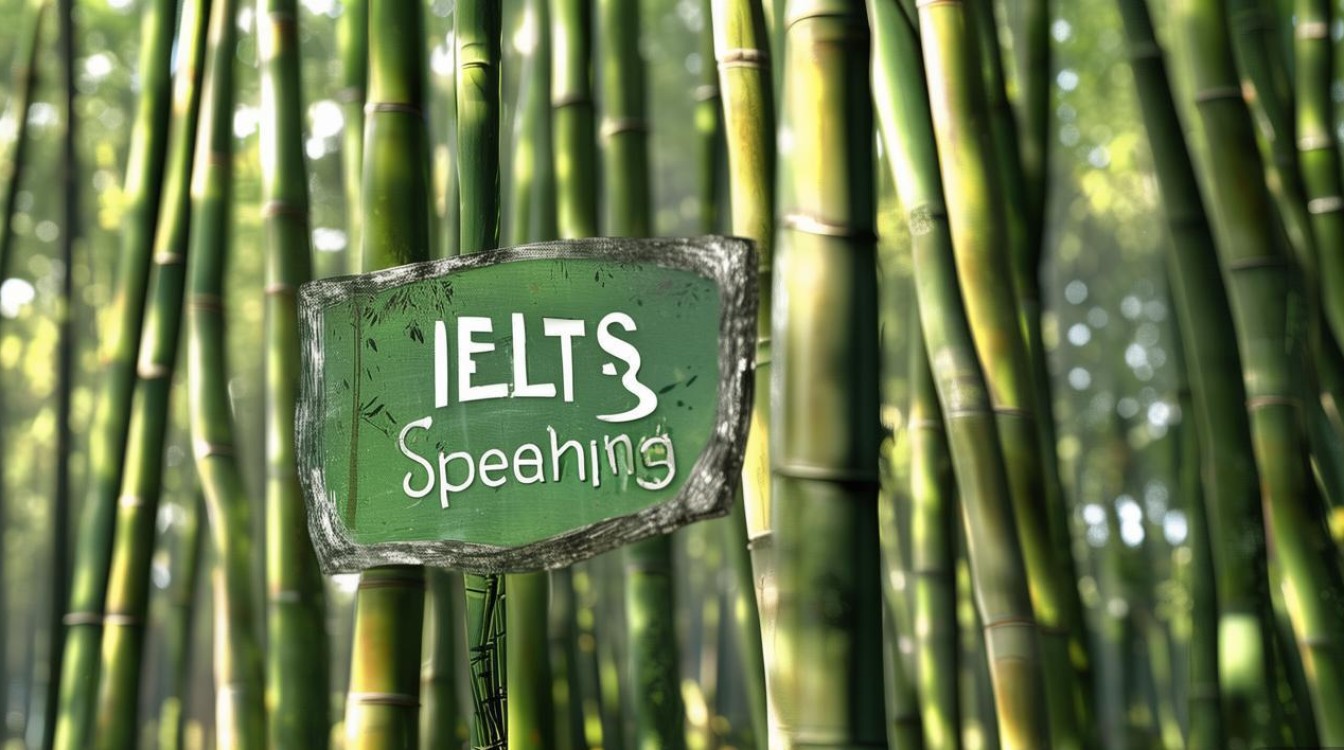
Bamboo is a versatile and remarkable plant that has been an integral part of human culture, industry, and ecology for centuries. In the context of IELTS Speaking, discussing bamboo can be a rich topic, allowing candidates to demonstrate vocabulary, fluency, and coherence across various themes such as environment, culture, and innovation.
Ecological Benefits of Bamboo
Bamboo is often hailed as a "wonder plant" due to its rapid growth and minimal environmental impact. Unlike traditional hardwood trees, which can take decades to mature, some bamboo species grow up to 91 cm (35 inches) per day, making them highly renewable. This fast growth rate, combined with its ability to thrive without pesticides or fertilizers, positions bamboo as a sustainable alternative to deforestation-prone materials.
From an ecological perspective, bamboo plays a crucial role in carbon sequestration. Its dense root systems prevent soil erosion, while its high carbon absorption capacity helps mitigate climate change. For instance, a bamboo forest can absorb up to 12 tons of carbon dioxide per hectare annually, significantly more than many tree species.
Cultural and Practical Uses
Across Asia, bamboo holds deep cultural significance. In China, it symbolizes resilience and integrity, often depicted in paintings and poetry as a "gentleman" among plants. In Japan, bamboo is used in traditional tea ceremonies and the construction of torii gates, marking sacred spaces. Beyond Asia, bamboo is woven into baskets, furniture, and musical instruments worldwide, showcasing its adaptability.
Practically, bamboo’s applications are vast. Its strength and flexibility make it ideal for construction; in parts of Southeast Asia, bamboo scaffolding supports skyscrapers, demonstrating its durability. Modern innovations have expanded its use to textiles (bamboo fiber clothing), kitchenware (biodegradable utensils), and even technology (water-resistant bamboo laptops).
Bamboo in IELTS Speaking
For IELTS candidates, bamboo offers ample speaking opportunities. In Part 1, questions like "Do you like plants?" or "Is bamboo common in your country?" can be answered by linking bamboo to local traditions or environmental trends. For example: "Yes, bamboo is ubiquitous in my hometown. It’s used not only for furniture but also in festivals, where bamboo poles are decorated for lion dances."
In Part 2, a cue card such as "Describe a useful plant" could highlight bamboo’s sustainability and versatility. Candidates might elaborate: "Bamboo is incredibly useful because it grows quickly and replaces plastic. For instance, I use bamboo toothbrushes to reduce plastic waste—this small habit aligns with global eco-friendly movements."
Part 3 discussions on environmental innovation or cultural preservation can further showcase depth: "Governments should promote bamboo farming as it balances economic growth and ecology. Unlike cash crops that deplete soil, bamboo revitalizes it, offering a win-win solution."
Challenges and Future Prospects
Despite its benefits, bamboo faces challenges. Overharvesting can deplete natural stocks, and industrial processing may involve chemicals harmful to the environment. However, certifications like the Forest Stewardship Council (FSC) ensure sustainable bamboo sourcing. Future advancements in bamboo-based materials, such as stronger composites for construction, could further revolutionize industries.
FAQs
Q1: Why is bamboo considered eco-friendly?
A1: Bamboo is eco-friendly due to its rapid growth, minimal need for pesticides, and high carbon absorption. It regenerates quickly after harvesting, reducing pressure on forests and serving as a sustainable alternative to plastics and hardwood.
Q2: How can I use bamboo as an example in IELTS Speaking?
A2: Use bamboo to illustrate topics like sustainability, culture, or innovation. For instance, discuss its role in reducing plastic waste or its cultural symbolism in your country, linking it to broader themes like environmental protection or tradition.