雅思大作文作为雅思写作考试的核心部分,其表现直接影响整体写作得分,要在这部分取得理想成绩,考生需明确评分标准、掌握写作逻辑、积累实用素材,并通过针对性训练提升表达能力,以下从评分维度、结构构建、内容展开、语言表达及备考策略五个方面,系统解析雅思大作文的重点。

评分标准:明确高分“指挥棒”
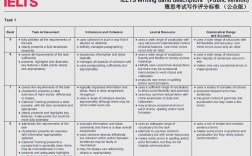
雅思大作文采用四维评分法,即任务回应(Task Response)、连贯与衔接(Coherence and Cohesion)、词汇资源(Lexical Resource)、语法范围与准确性(Grammatical Range and Accuracy),理解各维度要求是备考的前提。
任务回应要求紧扣题目要求,明确立场,观点完整且论据充分,若题目要求讨论“是否应该禁止一次性塑料”,考生需清晰表达支持或反对的立场,并从环境、经济、社会影响等角度提供2-3个分论点,每个分论点需搭配具体例子或数据支撑。
连贯与衔接强调文章逻辑清晰,段落间过渡自然,衔接手段多样,常见衔接手段包括连接词(如“however”“furthermore”)、指代(如“this issue”“these measures”)和段落主题句,需注意避免衔接词滥用,重点是通过逻辑关系让行文流畅。
词汇资源考察词汇的丰富性、准确性和灵活性,高分作文需避免重复使用基础词汇,例如用“detrimental”替代“harmful”,用“mitigate”替代“reduce”,需注意词汇搭配的准确性(如“raise awareness”而非“make awareness”)。
语法范围与准确性要求句式多样,语法错误少,考生应尝试使用复合句(定语从句、状语从句)、非谓语动词(分词短语、不定式)等复杂结构,但需确保语法正确,避免因追求句式复杂而导致错误。
结构构建:打造清晰框架
雅思大作文经典结构为“引言-主体段-,每个部分需承担明确功能,确保文章层次分明。
引言段:明确立场,引出话题
引言段需包含背景句、题目 paraphrase(改写)和 thesis statement( thesis statement),背景句可从社会现象、数据或普遍认知入手,引出话题;题目 paraphrase 需用同义替换改写题目关键词,避免重复;thesis statement 需明确表达整体立场,并预告主体段分论点。 “Some people think that universities should provide graduates with the knowledge and skills needed in the workplace. Others believe that the true function of a university is to give access to knowledge for its own sake. Discuss both views and give your own opinion.”)
背景句:In an era of rapid technological advancement, the role of universities in education has sparked widespread debate. paraphraseWhile some argue that higher education should prioritize equipping students with practical workplace skills, others contend that its primary purpose is to impart knowledge for its intrinsic value.
thesis statement*:This essay will examine both perspectives before asserting that a balance between practical skills and theoretical knowledge is essential for holistic education.
主体段:逻辑分层,论据充分
主体段通常为2-3段,每段聚焦一个分论点,遵循“主题句-解释-例子-的结构,主题句需概括段落核心观点;解释部分可分析原因、影响或对比;例子需具体(如个人经历、社会事件、研究数据);结论可重申主题句或引申思考。
示例(主体段1:支持大学提供职业技能)
主题句:Firstly, prioritizing workplace skills in university education aligns with the practical demands of modern society.
解释:In a competitive job market, employers increasingly seek candidates with specialized expertise, making it crucial for universities to bridge the gap between academic theory and professional practice.
例子:For instance, engineering programs that incorporate internships or project-based learning often report higher graduate employment rates, as students gain hands-on experience with industry-standard tools and workflows.
:Thus, integrating practical skills not only enhances employability but also maximizes the return on investment for students and their families.
结论段:总结观点,升华主题
结论段需重申 thesis statement(用不同表达),总结主体段分论点,并提出建议、预测或展望,避免引入新观点。
示例:In conclusion, while the pursuit of knowledge for its own value remains a cornerstone of higher education, equipping students with workplace skills is equally vital in today’s economy. A balanced approach that fosters both intellectual growth and practical competence will not only benefit individuals but also contribute to societal progress.
内容展开:拒绝空洞,论据为王
雅思大作文最忌讳观点空洞、论据模糊,考生需学会从“多角度切入”和“具体化论证”两方面丰富内容。
多角度切入:拓展论证维度 类型(同意与否、讨论双方观点、利弊分析、报告类),可从以下角度展开论证:
- 个人层面:对生活质量、职业发展、心理健康的影响;
- 社会层面:对社会公平、文化传承、科技发展的推动;
- 环境层面:对生态保护、资源利用、可持续发展的作用;
- 经济层面:对产业升级、就业市场、国家竞争力的促进。
具体化论证:用细节支撑观点
抽象论述会削弱说服力,需通过“数据+案例”或“逻辑推理”让论据更可信。
- 数据支撑:引用权威机构数据(如“According to the World Bank, 80% of jobs in the next decade will require digital skills”);
- 案例举例:结合社会热点(如“During the COVID-19 pandemic, remote work skills became essential as 40% of global workforce shifted to home offices”);
- 逻辑推理:通过因果关系分析(“If universities neglect practical skills, graduates may struggle to adapt to technological disruptions, leading to higher unemployment rates”)。
语言表达:精准与多样并重
语言是评分的关键维度,需在“准确”和“多样”之间找到平衡。
词汇:避免重复,注重搭配
- 同义替换:如“important”可替换为“vital”“crucial”“imperative”;
- 主题词汇:针对科技类、教育类、环境类等高频话题,积累主题词汇(如科技类:“artificial intelligence”“automation”“digital divide”);
- 搭配固定:掌握“动词+名词”(“address the issue”)、“形容词+名词”(“sustainable development”)等固定搭配。
句式:长短结合,灵活变换
- 简单句与复杂句结合:避免通篇简单句,适当使用定语从句(“The policy, which aims to reduce carbon emissions, has faced criticism from businesses”)、状语从句(“While technology brings convenience, it also poses privacy risks”);
- 非谓语动词:简化句子结构(“Having analyzed the data, we can draw a conclusion”);
- 被动语态:强调动作承受者(“Measures should be taken to protect the environment”)。
语法:减少低级错误
主谓一致、时态、冠词、介词等基础语法错误会严重影响评分,需在写作中注意:
- 单数主语搭配单数动词(“The number of students is increasing”);
- 根据上下文选择正确时态(描述客观事实用一般现在时,讲述过去事件用一般过去时);
- 避免冠词滥用(如“the internet”前通常加定冠词,“university”前通常不加)。
备考策略:高效提升,针对性突破
精研真题,分析题目类型
雅思大作文常考话题包括教育、科技、环境、社会、政府等,需通过真题熟悉不同题型的提问方式(如“To what extent do you agree or disagree?”“Discuss both views and give your opinion”),并总结高频话题词汇和观点。
模仿范文,学习逻辑与表达
选择剑桥雅思官方范文或高分考生作文,分析其结构安排、论证逻辑和语言特点,模仿其句式和词汇积累,但避免生搬硬套,需结合自身观点灵活运用。
定时练习,提升写作速度
考试时间为40分钟(小作文20分钟+大作文20分钟),需通过限时训练(建议大作文控制在35分钟内完成)提升审题、构思和写作速度,确保内容完整。
修改反馈,针对性纠错
完成作文后,可借助语法检查工具(如Grammarly)修正基础错误,或请老师/高分考生批改,重点分析“任务回应是否完整”“逻辑是否连贯”“词汇语法是否准确”等问题,并建立错题本避免重复犯错。
相关问答FAQs
Q1:雅思大作文写不完怎么办?如何合理分配时间?
A:写不完通常因审题过慢或内容冗余,建议:① 审题不超过2分钟,用关键词圈出题目要求(如“Discuss both views”);② 列提纲5分钟,明确每段主题和论据;③ 主体段每段控制在8-10分钟,结论3-5分钟;④ 平衡详略,优先保证主体段论点清晰,结论可适当简化,平时需通过限时练习提升速度,避免在单个段落过度纠结。
Q2:如何提升观点的独特性,避免模板化?
A:观点独特性来自多角度思考和生活积累。① 审题时尝试反向思考(如题目问“是否应该延长退休年龄”,可从“年轻人就业压力”和“老年人经验价值”双角度分析);② 关注社会热点,阅读《经济学人》《卫报》等外刊,积累新颖案例和数据;③ 避免“万能模板”,结合题目具体要求调整结构,同意与否”类作文可直接表明立场,无需讨论对立观点,减少模板感。