Insect in IELTS Speaking
Insects are a common topic in IELTS Speaking tests, often appearing in Part 1 for daily conversations, Part 2 for personal experiences, and Part 3 for abstract discussions. Mastering this theme requires vocabulary, fluency, and structured responses. Below is a detailed guide to help you excel.
Vocabulary and Expressions
A rich vocabulary is key to describing insects accurately. Here are useful categorised terms:
| Category | Examples |
|---|---|
| Types of Insects | ants, bees, butterflies, mosquitoes, beetles, ladybugs, dragonflies |
| Actions | crawl, fly, swarm, buzz, sting, pollinate, migrate, hibernate |
| Characteristics | tiny, delicate, colorful, harmful, beneficial, resilient, fascinating |
| Collocations | insect bites, insect repellent, insect species, insect kingdom, insect behavior |
For instance, you might say: "Butterflies are fascinating insects known for their vibrant wings and role in pollination."
Structuring Responses
IELTS Speaking values clarity and coherence. Use the following frameworks:
-
Part 1 (Introduction & Interview):
- Keep answers concise (2-3 sentences).
- Example: Do you like insects?
"Not particularly, but I respect their role in ecosystems. For example, bees are crucial for pollinating plants."
-
Part 2 (Long Turn):
- Follow the CUE method: Context, Underlying details, Evaluation.
- Topic: "Describe an insect you find interesting."
- Context: "The honeybee is an insect that captivates me due to its social structure."
- Details: "They live in colonies, communicate through dances, and produce honey."
- Evaluation: "Their teamwork and efficiency make them a marvel of nature."
-
Part 3 (Discussion):
- Discuss broader implications.
- Example: Why are insects important for the environment?
"Insects like decomposers recycle nutrients, while predators control pest populations, maintaining ecological balance."
Sample Answer (Part 2 Style)
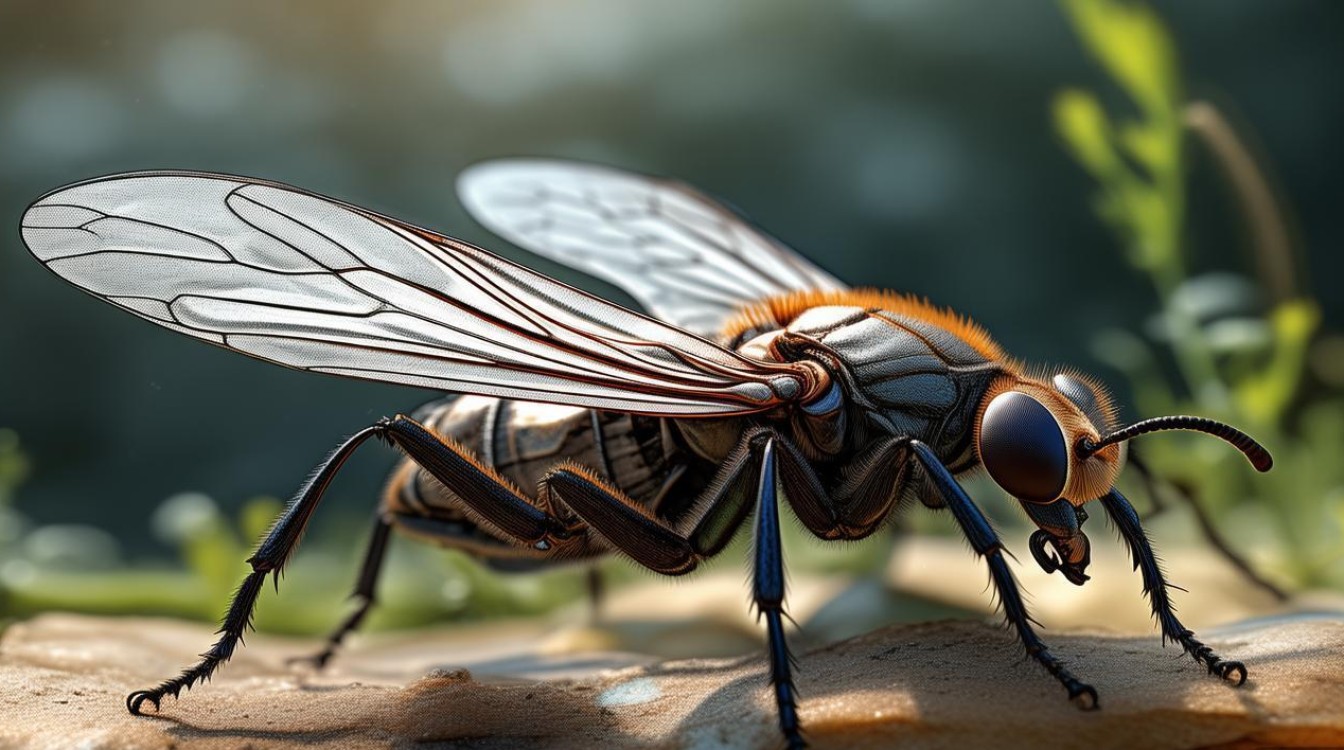
"I’d like to talk about the praying mantis, an insect I find intriguing. It’s a carnivorous insect known for its distinctive posture, resembling prayer. What fascinates me is its hunting strategy—it ambushes prey with lightning speed, using its spiked forelegs to grasp victims. Unlike many insects, the mantis exhibits patient stillness, making it a symbol of focus in some cultures. I first learned about it in a nature documentary, and since then, I’ve admired its blend of grace and lethality. While some people fear insects, the mantis reminds me of the complexity and beauty of the natural world."
Common Mistakes to Avoid
- Overusing "ugly" or "disgusting": Instead, use neutral terms like "less appealing."
- Vague descriptions: Replace "insects are important" with specifics like "insects like dung beetles aid in waste decomposition."
- Rambling: Stick to the question’s focus, especially in Part 1.
FAQs
Q1: How can I expand my vocabulary about insects for IELTS Speaking?
A1: Use flashcards for insect-related terms, watch nature documentaries (e.g., Planet Earth), and practice describing insects using adjectives like metamorphic, venomous, or nocturnal. Also, note collocations like insect repellent or insect biodiversity to sound natural.
Q2: What if I dislike insects? How should I answer questions about them?
A2: Honesty is fine, but balance it with objectivity. For example: "I’m not fond of spiders because of their appearance, but I understand they help control insect populations. This shows awareness without sounding overly negative."
By combining structured answers, varied vocabulary, and thoughtful examples, you can confidently tackle insect-related questions in the IELTS Speaking test. Practice regularly to refine your fluency and coherence!