
Museums serve as invaluable cultural institutions that preserve, interpret, and showcase humanity's artistic, historical, and scientific achievements. They act as bridges between the past and present, offering visitors immersive experiences that educate, inspire, and provoke thought. Whether housing ancient artifacts, modern masterpieces, or interactive exhibits, museums play a pivotal role in shaping our understanding of the world and our place within it.
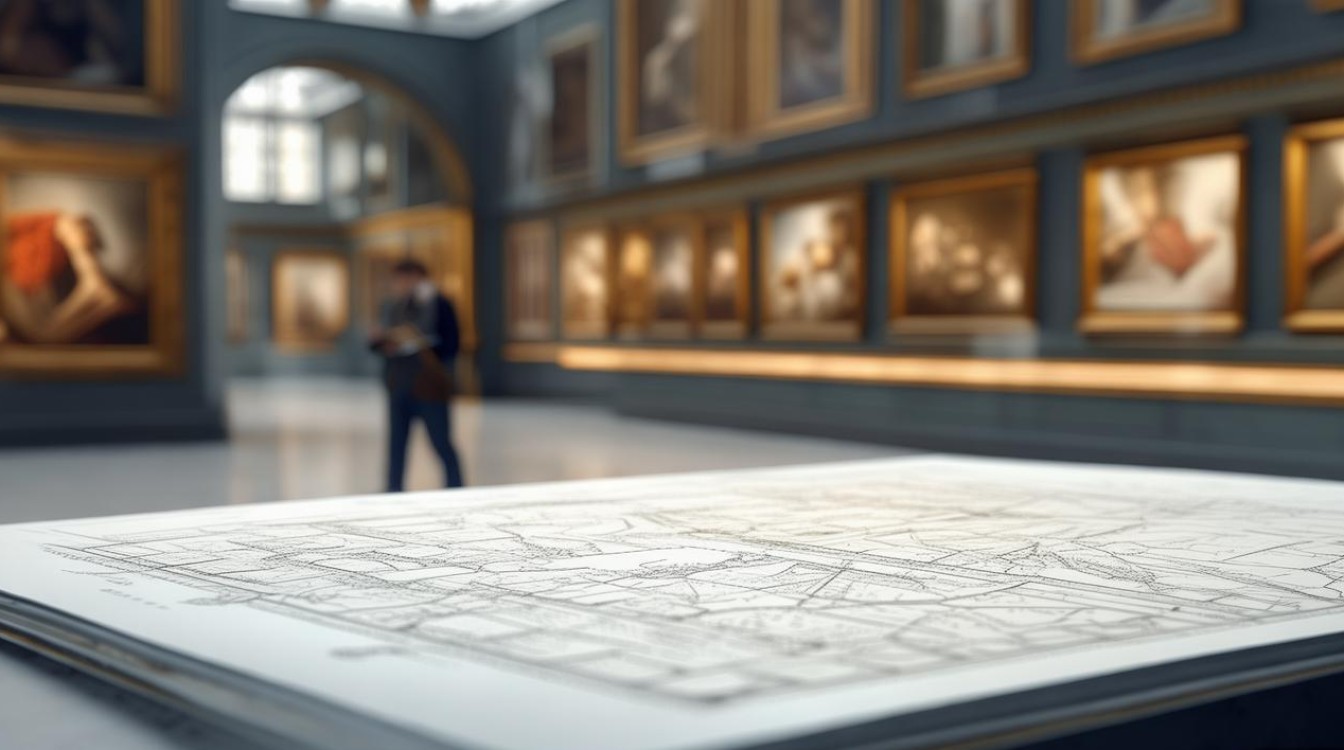
The Historical Evolution of Museums
The concept of museums dates back to ancient civilizations, where collections of art and artifacts were often reserved for elite or religious purposes. The Musaeum of Alexandria in Egypt, founded in the 3rd century BCE, is considered one of the earliest precursors to modern museums, functioning as a center for learning and scholarship. However, museums as public institutions emerged much later, during the Renaissance and Enlightenment periods. The Ashmolean Museum in Oxford (1683) and the Louvre in Paris (1793) were among the first to open their doors to the general public, democratizing access to knowledge and culture.
In the 19th and 20th centuries, museums proliferated globally, with institutions like the Metropolitan Museum of Art (1870) and the British Museum (1759) becoming iconic landmarks. This era also saw the rise of specialized museums, focusing on disciplines such as natural history, science, and technology. Today, museums continue to evolve, embracing digital innovation and inclusive practices to engage diverse audiences.
The Multifaceted Roles of Museums
Museums fulfill several critical functions, each contributing to societal development.
Preservation of Cultural Heritage
Museums safeguard objects of historical, artistic, and scientific significance, ensuring their survival for future generations. For example, the Egyptian Museum in Cairo houses the world’s largest collection of Pharaonic antiquities, including the treasures of Tutankhamun, while the Acropolis Museum in Athens preserves sculptures from the Parthenon, offering insights into ancient Greek civilization.
Education and Research
Museums are dynamic educational resources, offering programs for schools, universities, and lifelong learners. The Smithsonian Institution in Washington, D.C., for instance, provides online courses, workshops, and research opportunities, making knowledge accessible to a global audience. Additionally, museums collaborate with scholars to study collections, advancing research in fields like archaeology, anthropology, and art history.
Cultural Exchange and Social Cohesion
By hosting international exhibitions and cultural events, museums foster cross-cultural understanding. The Van Gogh Museum in Amsterdam, for example, collaborates with institutions worldwide to showcase the artist’s work, while the National Museum of African American History and Culture in the U.S. highlights the contributions of African Americans to society, promoting dialogue on race and identity.
Tourism and Economic Impact
Museums are major drivers of tourism, generating revenue for local economies. The Uffizi Gallery in Florence attracts millions of visitors annually, boosting Italy’s tourism sector. Similarly, the Tokyo National Museum plays a key role in Japan’s cultural tourism, drawing travelers interested in Japanese art and history.
Types of Museums and Their Unique Offerings
Museums can be categorized into various types, each catering to specific interests. Below is a table outlining some common categories and examples:
| Museum Type | Focus | Examples |
|---|---|---|
| Art Museums | Visual arts, paintings, sculptures | Louvre (Paris), MoMA (New York) |
| History Museums | Historical events, civilizations, artifacts | British Museum (London), National Museum of China |
| Science Museums | Scientific discoveries, technology | Deutsches Museum (Munich), California Science Center |
| Natural History Museums | Earth’s history, biodiversity | American Museum of Natural History (New York) |
| Specialized Museums | Niche topics (e.g., maritime, music) | Maritime Museum (San Diego), Rock & Roll Hall of Fame |
Challenges and Innovations in the Modern Museum Landscape
Despite their importance, museums face several challenges, including funding constraints, ethical debates over artifact repatriation, and the need to adapt to digital trends. To address these issues, museums are embracing innovation:
- Digitalization: Many institutions offer virtual tours, allowing people to explore collections online. The Rijksmuseum in Amsterdam, for instance, provides high-resolution digital access to artworks like The Night Watch.
- Interactive Exhibits: Modern museums prioritize visitor engagement through hands-on displays. The Science Museum London features interactive galleries where visitors can experiment with physics and engineering concepts.
- Sustainability: Eco-friendly practices, such as energy-efficient lighting and waste reduction, are becoming standard. The V&A Museum in London has implemented sustainability initiatives to minimize its environmental footprint.
The Future of Museums
As society evolves, museums will continue to play a central role in cultural preservation and education. Emerging trends include the integration of artificial intelligence for personalized visitor experiences, the expansion of community-focused programming, and a greater emphasis on diversity and inclusion. By staying relevant and adaptive, museums will remain vital spaces for learning, reflection, and inspiration.
FAQs
How do museums benefit society?
Museums benefit society by preserving cultural heritage, providing educational resources, fostering cultural exchange, and boosting tourism. They also serve as platforms for social discourse, encouraging critical thinking and empathy by showcasing diverse perspectives and histories.
What are some ways museums can attract younger audiences?
Museums can attract younger audiences by incorporating interactive exhibits, leveraging social media for promotion, hosting events like late-night openings or workshops, and utilizing technology such as augmented reality (AR) to create engaging, immersive experiences. Collaborations with influencers and digital content creators can also help reach younger demographics.