英文线状图作文的写作技巧与实例分析
线状图(Line Graph)是学术写作和数据分析中常见的图表类型,尤其在雅思、托福等英语考试中频繁出现,掌握线状图的写作方法不仅能帮助考生在考试中取得高分,还能提升实际工作中数据分析和报告撰写的能力,本文将系统介绍英文线状图作文的结构、常用词汇、句型以及注意事项,并通过实例分析加深理解。
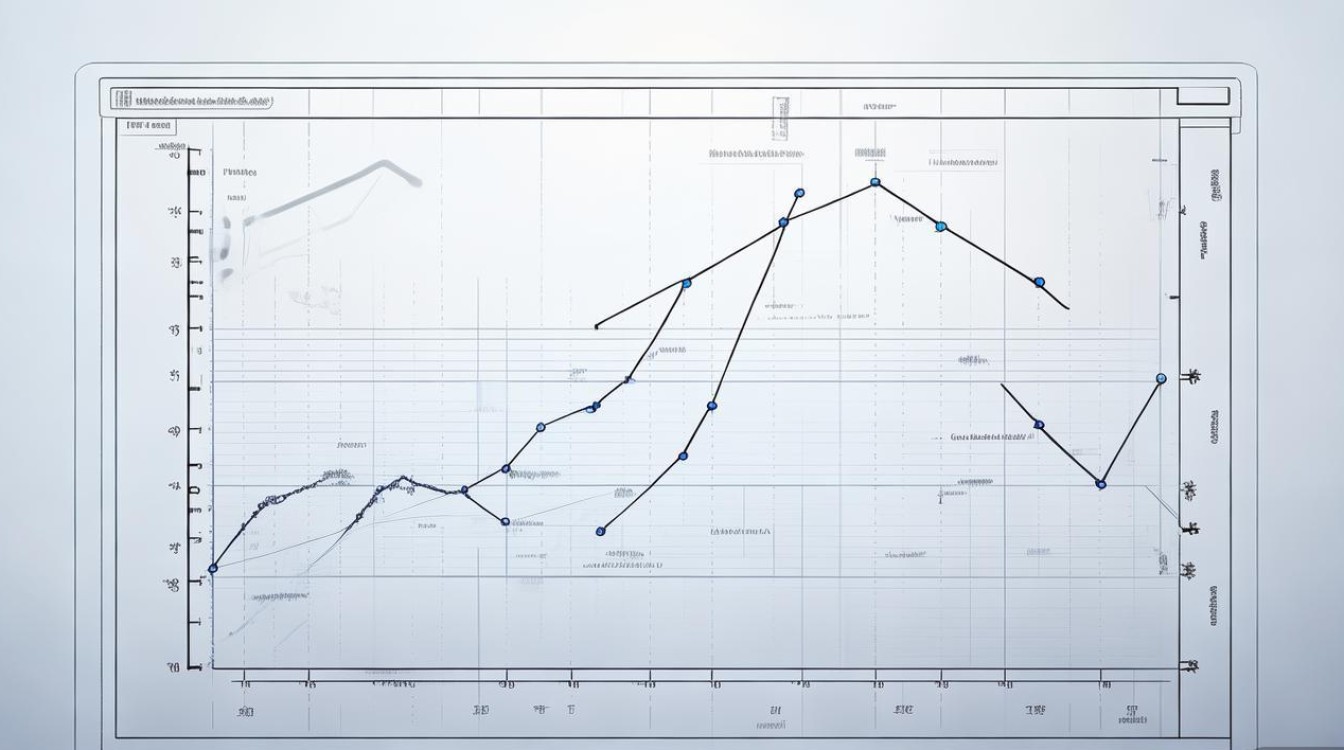
线状图作文的基本结构
一篇优秀的线状图作文通常包含三个核心部分:引言(Introduction)、主体(Body)和结论(Conclusion)。
-
引言部分
引言需简要描述图表内容,包括图表类型、时间范围和核心主题,常用句型如下:- The line graph illustrates the changes in [主题] over [时间范围].
- The provided data presents the trends of [主题] from [起始时间] to [结束时间].
-
主体部分
主体是文章的核心,需分段描述线状图的关键趋势、对比和转折,建议按时间顺序或数据类别分段,每段聚焦一个主要趋势。- 第一段描述整体趋势(如上升、下降、波动)。
- 第二段对比不同数据线的变化(如A线与B线的差异)。
- 第三段分析特殊点(如峰值、谷值或异常波动)。
-
结论部分
结论需总结主体部分的核心发现,避免引入新数据,常用句型包括:- In summary, the data reveals that [核心结论].
- Overall, [主题] experienced a [趋势] during the period.
线状图作文的常用词汇与句型
-
描述趋势的词汇
- 上升:increase, rise, grow, surge, climb
- 下降:decrease, decline, drop, fall, plummet
- 波动:fluctuate, vary, oscillate
- 稳定:stabilize, remain constant, level off
-
对比与转折的句型
- While A line showed a steady increase, B line experienced a slight decline.
- In contrast to the upward trend of X, Y remained relatively stable.
- The peak occurred in [年份], after which a sharp decline was observed.
-
数据表达的句型
- The figure reached its highest point at [数值] in [年份].
- The number of [主题] doubled between [起始时间] and [结束时间].
线状图作文的实例分析
以下是一篇关于“全球可再生能源使用趋势”的线状图作文范文(约300词),供参考:
The line graph illustrates the global consumption of renewable energy sources from 2000 to 2025, including solar, wind, and hydroelectric power.
Overall, all three sources showed an upward trend, with solar energy experiencing the most dramatic growth. In 2000, hydroelectric power was the dominant source, accounting for approximately 70% of renewable energy use, while solar and wind power contributed only 10% and 20%, respectively. By 2025, hydroelectric power’s share had risen to 80%, but solar energy surged to 50%, surpassing wind power, which reached 30%.
Between 2000 and 2010, the growth of solar energy was relatively modest, increasing from 10% to 20%. However, from 2010 to 2025, its consumption skyrocketed, doubling to 40% by 2025. Wind power, on the other hand, grew steadily throughout the period, with a more gradual increase from 20% to 30%. Hydroelectric power maintained a consistent upward trajectory, with no significant fluctuations.
In conclusion, while hydroelectric power remained the leading renewable energy source, solar energy emerged as the fastest-growing alternative, reflecting global efforts to adopt cleaner energy solutions.
线状图作文的注意事项
- 避免简单罗列数据:应分析趋势和原因,而非重复图表中的数字。
- 使用客观语言:避免主观评价(如“surprisingly”),除非图表明确提示异常。
- 时态统一:描述历史数据用一般过去时,预测趋势用一般将来时。
- 图表对比:若有多条线,需明确对比其差异和关联。
线状图数据示例表
为了更直观地展示线状图数据的对比,以下是一个简化的数据表格:
| 年份 | 太阳能 (%) | 风能 (%) | 水能 (%) |
|---|---|---|---|
| 2000 | 10 | 20 | 70 |
| 2010 | 20 | 25 | 75 |
| 2025 | 40 | 30 | 80 |
相关问答FAQs
Q1: 如何处理线状图中的多组数据?
A1: 若图表包含多条线,应分组描述,先概述整体趋势,再分段对比各条线的变化,使用“while”“in contrast”等连接词突出差异,并确保每段聚焦一个核心主题。
Q2: 线状图作文中是否需要解释数据变化的原因?
A2: 一般情况下,线状图作文只需描述和分析图表中的数据趋势,无需额外解释原因,但如果题目明确要求(如“Explain the reasons”),则需结合常识或背景知识简要分析。