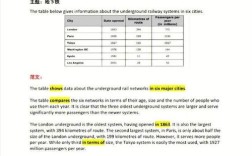
雅思小作文(Academic Writing Task 1)是雅思考试写作部分的第一项任务,要求考生在20分钟内完成至少150字的写作,内容基于图表、流程图或地图等视觉信息,这项任务主要考察考生的数据描述、信息筛选、逻辑组织及语言准确性能力,以下从题型分类、结构框架、常用词汇与句型、高分技巧及注意事项五个方面展开详细解析,帮助考生系统掌握雅思小作文的写作要点。

题型分类及核心特征
雅思小作文的题型可分为四大类,每种题型需采用不同的描述策略:
动态图表(Dynamic Charts)
包括线图(Line Graph)、柱状图(Bar Chart)、饼图(Pie Chart)和表格(Table),核心特征是数据随时间变化(线图、柱状图)或占比变化(饼图),考生需重点描述“趋势”(上升、下降、波动)和“对比”(数据差异)。
- 线图:突出时间跨度的趋势变化,如“从2000年到2025年,该数值呈先上升后下降的趋势”。
- 柱状图:对比不同类别或时间段的数据,需关注最高值、最低值及显著差异。
- 饼图:描述各部分占比,强调“占比最大/最小”的部分及比例关系。
- 表格:横向或纵向对比具体数值,需提炼关键数据(如最大值、最小值、平均值)。
静态图表(Static Charts)
仅包含一次时间点的数据对比,如柱状图(不同类别对比)、饼图(不同部分占比)、表格(多维度数据),核心是“对比”,而非“趋势”。“2025年,A类产品占比45%,高于B类的30%”。
流程图(Process Diagram)
描述某事物的制作流程、工作原理或自然现象演变(如水循环、光合作用),需按步骤顺序说明,使用“第一步”“随后”“等连接词,并突出动作的先后逻辑。
地图(Map Diagram)
分为“变迁型地图”(对比不同时间点的地理变化)和“选址型地图”(分析两个地点的优劣),需描述方位(north of, to the left of)、建筑/设施增减及功能变化。
结构框架:四段式逻辑清晰
雅思小作文建议采用“四段式”结构,确保内容完整且层次分明:
开头段(Introduction):概述图表信息简要说明图表类型(如“The bar chart illustrates...”)、核心主题(如“the percentage of renewable energy usage in three countries from 2010 to 2025”)及时间/范围(若有)。
- 句式:避免直接复制图表标题,需 paraphrase(改写)。
原题:The line graph shows the number of overseas visitors to a museum between 2025 and 2025.
改写:The provided line graph illustrates the fluctuation in the number of foreign tourists visiting a museum over a six-year period, from 2025 to 2025.
主体段一(Body Paragraph 1):描述核心数据/主要特征
- 动态图表:描述总体趋势(如“Overall, the number of visitors increased significantly”)及最突出的1-2个趋势(如“the figure for Country A tripled, while that of Country B remained stable”)。
- 静态图表:对比最大值、最小值及显著差异(如“Country A accounted for the highest proportion at 40%, whereas Country C constituted only 15%”)。
- 流程图/地图:概述流程的起点/终点,或地图的主要变化(如“The process involves five stages, beginning with raw material collection and ending with product packaging”)。
主体段二(Body Paragraph 2):补充细节与次要信息
- 动态图表:描述次要趋势或具体数据(如“Between 2025 and 2025, the number rose from 10,000 to 25,000, followed by a slight decline to 20,000 in 2025”),可结合具体数据(数字、百分比)增强说服力。
- 静态图表:对比中间值或关联数据(如“Although Country A had the highest usage, its growth rate was lower than Country B’s”)。
- 流程图/地图:分步骤描述细节(如“First, raw materials are washed and sorted, then they are heated to 100°C for purification”)。
结尾段(Conclusion):总结核心趋势/变化用1-2句话重申主要发现,避免引入新信息。
In summary, the period witnessed a general upward trend in renewable energy adoption, with Country A leading the growth.
常用词汇与句型:提升语言准确性与多样性
动态图表词汇
- 趋势:increase/rise/grow(上升),decrease/fall/drop(下降),fluctuate(波动),remain stable/stay constant(保持稳定)。
- 程度:significant/dramatic/substantial(显著),slight/modest/slight(轻微),gradual/steady(逐渐)。
- 句型:
- The number of A increased by 20% from 2010 to 2025.(数据变化)
- There was a steady rise in the proportion of B, reaching 50% in 2025.(趋势描述)
静态图表词汇
- 对比:while/whereas(,compared with(与……相比),similar to(类似于),different from(不同于)。
- 占比:account for(占比),constitute(构成),make up(占据),comprise(包含)。
- 句型:
- A accounted for 35%, which was higher than B’s 25%.(对比数据)
- The proportion of C was similar to that of D, both at around 30%.(相似性描述)
流程图/地图词汇
- 顺序:first/firstly(,then/subsequently(,after that/following that(之后),finally/ultimately(。
- 方位:to the north of(在……北面),adjacent to(毗邻),surrounded by(被……环绕),located in(位于)。
- 句型:
- First, the fruit is picked and transported to the factory.(步骤描述)
- A new park was constructed to the east of the river, replacing the old parking lot.(变化描述)
高分技巧:细节决定成败
数据筛选与突出
- 避免描述所有数据,选择“最大值、最小值、显著变化、异常值”等关键信息。
- 动态图表需结合“时间+数据”说明趋势(如“in 2025, the figure was 100, which doubled to 200 in 2025”)。
多样化句式结构
- 简单句与复杂句结合(如定语从句、状语从句),避免重复主语。
例:The number of students, which reached 10,000 in 2025, increased significantly over the decade. - 使用被动语态描述客观事实(如“The data was collected from three sources”)。
逻辑连接词
- 段落间:Firstly/Secondly/Finally(主体段);In addition/Moreover(补充信息)。
- 句子间:However/Nevertheless(转折),As a result/Consequently(结果),For instance/For example(举例)。
时态与单复数
- 动态图表:根据时间选择时态(过去时间用一般过去时,普遍规律用一般现在时)。
- 静态图表/流程图/地图:通常用一般现在时。
- 注意数据单位(thousands, millions)及名词单复数(如“the number of students”用单数,“the proportion of people”用复数)。
注意事项:避免常见错误
- 字数不足:确保字数≥150字,建议写到180-200字,以充分描述细节。
- 抄袭题目:开头段需改写题目,直接复制会扣分。
- 主观臆断:仅基于图表信息描述,不添加个人观点或背景知识。
- 数据错误:仔细核对图表数据,避免写错数字或趋势方向。
- 书写工整:字母清晰,单词拼写正确,避免涂改(建议用铅笔书写)。
相关问答FAQs
Q1: 雅思小作文写超过200字会影响分数吗?
A: 不会,雅思小作文要求“至少150字”,但写180-200字更利于充分描述关键数据、展示语言能力,若字数过多(如超过250字),可能导致时间分配失衡(影响大作文),或因内容冗余反而扣分,建议控制在200字左右,确保信息精炼、逻辑清晰。
Q2: 流程图和地图题需要总结趋势吗?
A: 不需要,流程图和地图题的核心是“描述过程”或“对比变化”,而非“趋势总结”,结尾段只需概括整体流程(如“Overall, the process involves four main stages”)或主要变化(如“After the renovation, the area became more environmentally friendly”),避免使用“trend”“increase”等动态图表词汇。