雅思口语考试中,"有趣的谈话"往往是考生与考官互动的高光时刻,这种谈话不仅能让考生展现语言能力,更能体现思维深度、文化理解力和临场应变能力,要实现一次真正"有趣的谈话",需要从内容构建、语言表达和互动技巧三个维度进行系统准备。 构建:从"答题"到"对话"的思维转变

传统备考中,考生常陷入"背模板-套答案"的误区,导致对话机械刻板,有趣谈话的核心在于"双向互动",这意味着考生需要学会将考官的问题转化为深入交流的契机,当被问及"Describe a book you like"时,与其简单罗列情节,不如探讨书中主题与现实生活的关联,甚至可以反问考官:"Have you ever had a similar experience that made you see this theme differently?" 这样的提问能瞬间将单向回答转化为双向对话。 深度决定谈话质量,建议考生围绕"个人经历+文化观察+批判性思考"三层结构展开话题,以"Describe a traditional festival"为例:第一层描述个人过节经历(如食物、习俗),第二层分析节日背后的文化意义(如家庭观念、历史传承),第三层可以对比现代与传统庆祝方式的变迁,甚至提出"在全球化背景下,传统节日如何保持活力"的思考,这种层层递进的内容架构,能充分展现考生的逻辑思维和知识储备。
语言表达:精准与生动的平衡
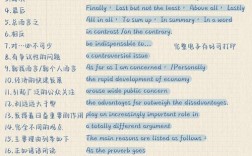
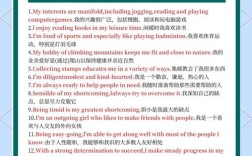
有趣谈话需要语言"有料"且"有味",在词汇层面,避免过度使用"good""interesting"等泛泛之词,转而运用更具表现力的表达,例如描述"有趣的人",与其简单说"He is funny",不如说"He has a knack for turning mundane situations into hilarious anecdotes with his witty remarks",这样的表达既展示词汇量,又传递出生动的人物形象。
句式变化是提升语言魅力的关键,考生应熟练运用复合句、插入语、非谓语动词等结构,使表达更自然流畅,例如在描述一次难忘的旅行时,可以采用:"Getting lost in that ancient town, which I initially dreaded, turned out to be the highlight of my trip, as it led me to a hidden café where I met the most fascinating locals." 这样的长句不仅能展示语法掌握程度,更能体现叙事能力。
互动技巧:营造自然对话氛围
有趣谈话的本质是"情感共鸣",考生需要通过肢体语言、语调变化和眼神交流,营造面对面交流的真实感,例如在讲述有趣经历时,适当配合手势、调整语速和音调,甚至加入真诚的微笑,都能增强表达的感染力,考官不仅是语言评估者,更是对话参与者,这种真实的情感投入往往能赢得更好的互动体验。
应对突发问题是谈话的"试金石",当遇到不熟悉的话题时,与其沉默或生硬转移,不如运用"话题关联法":将陌生话题与自身经历建立联系,例如被问及"Describe a type of modern art you don't understand",可以回答:"To be honest, contemporary art often puzzles me, but I remember visiting an exhibition where abstract paintings made me reflect on my own emotions, even though I couldn't decipher the artist's exact intention." 这样的回答既诚实,又展现了积极思考的态度。
不同话题类型的应对策略
| 话题类型 | 核心要点 | 示例表达 |
|---|---|---|
| 人物描述 | 选择有故事性的细节,突出人物特质 | "What I admire most about her is her resilience—she always turns setbacks into stepping stones with unwavering optimism." |
| 地点介绍 | 融入感官描写,营造画面感 | "The old bookstore transports you to another era with its scent of aging paper and the faint sound of pages turning." |
| 物品说明 | 关联情感价值,赋予物品意义 | "This watch isn't just a timepiece; it's a heirloom that connects me to my grandfather's wisdom and diligence." |
| 事件叙述 | 构建叙事弧光,强调转折点 | "Just when I thought the day would be ordinary, a sudden downpour led to an unexpected encounter that changed my perspective." |
相关问答FAQs
Q1: 如何在雅思口语考试中避免回答过于简短?
A1: 避免"简短回答"的关键在于养成"扩展思维"的习惯,针对每个问题,可以采用"观点-例子-解释"(PEE)结构:首先给出明确观点,然后提供具体例子(个人经历或观察),最后解释该例如何支撑观点,例如回答"Do you like cooking?"时,可以扩展为:"Yes, I'm passionate about cooking because it's both creative and therapeutic. Last weekend, I tried making homemade pasta from scratch, which was messy but incredibly rewarding. The process of kneading the dough and watching it transform into a delicious meal taught me patience and attention to detail—qualities that I believe are essential in life." 这样的回答不仅长度达标,更展现了逻辑思维和语言组织能力。
Q2: 当遇到完全不了解的话题时,如何保持谈话的连贯性?
A2: 遇到陌生话题时,可运用"话题迁移法"和"假设法"保持对话流畅,首先坦诚表达对该话题的有限了解,然后迅速将其关联到熟悉领域,例如被问及"Describe a traditional dance from your country that you're not familiar with"时,可以回答:"I must admit I'm not an expert on this particular dance, but I recall learning in cultural studies that it often reflects agricultural traditions. This reminds me of a similar folk dance I saw performed during a festival, which involved movements mimicking planting and harvesting—perhaps this dance shares similar symbolic meanings about harmony with nature?" 这样的回答既诚实,又展示了知识迁移能力和积极思考的态度,能有效避免对话中断。