雅思口语考试中,"smoking"是一个高频且贴近生活的话题,常出现在Part 1的日常交流、Part 2的个人经历以及Part 3的社会讨论中,考生需从个人态度、社会影响、健康风险等多角度展开,既能体现语言能力,也能展现批判性思维,以下从核心词汇、常见话题及回答思路、健康与社会影响数据、备考建议四个方面进行梳理,帮助考生全面掌握该话题。
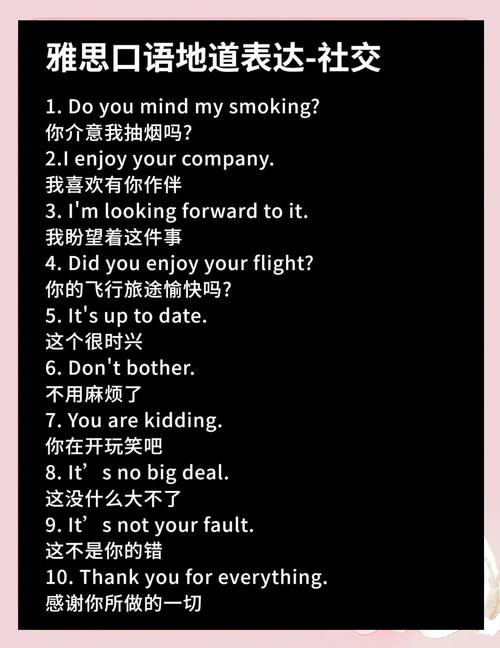
核心词汇与表达积累
回答"smoking"相关问题时,准确多样的词汇能提升回答的专业度,以下分类整理了实用词汇:
| 类别 | 词汇/表达 |
|---|---|
| 吸烟行为 | cigarette smoking(吸烟), chain smoker(烟瘾很大的人), quit smoking(戒烟), take up smoking(开始吸烟), secondhand smoke(二手烟) |
| 健康影响 | lung cancer(肺癌), heart disease(心脏病), respiratory problems(呼吸系统问题), nicotine addiction(尼古丁成瘾), life expectancy(预期寿命) |
| 社会态度 | anti-smoking campaign(反吸烟运动), smoke-free zone(无烟区), public awareness(公众意识), social stigma(社会 stigma) |
| 个人观点 | harmful(有害的), addictive(易上瘾的), personal freedom(个人自由), reckless behavior(鲁莽行为), long-term consequences(长期后果) |
常见话题及回答思路
Part 1:Do you smoke? / Is smoking popular in your country?
回答框架:直接回答+补充细节+简单解释原因。
- 示例:
"No, I don’t smoke. I’ve never tried it, actually. My parents taught me that smoking is harmful to health since I was a kid, so I’ve always stayed away from it. In my country, smoking is still common among middle-aged men, especially in rural areas, but the government has been promoting anti-smoking campaigns in recent years, so more young people now realize its risks and refuse to take it up."
Part 2:Describe a time when you saw someone smoking. (Describe what happened and how you felt.)
回答框架:场景描述(时间/地点/人物)+ 具体事件 + 个人感受 + 反思。
- 示例:
"Last month, I saw a man smoking in the non-smoking area of a subway station. He was standing near the exit, exhaling smoke carelessly while waiting for the train. I noticed a child covering his nose and coughing nearby, which made me quite annoyed. I politely reminded him that smoking was not allowed there, and he looked embarrassed and immediately put out the cigarette. This incident made me realize the importance of public awareness—smoking doesn’t only harm the smoker but also affects others, especially children."
Part 3:Should smoking be banned completely in public places? Why do some people still smoke despite knowing the risks?
回答框架:明确立场+分点论证(举例/数据/逻辑)+ 总结观点。

- 示例:
"I strongly support banning smoking in public places. Firsthand smoke contains over 7,000 chemicals, including 70 carcinogens, which pose serious health risks to non-smokers, especially pregnant women and children. For example, a study by the World Health Organization shows that non-smokers exposed to secondhand smoke have a 20-30% higher risk of developing lung cancer. Additionally, allowing smoking in public spaces normalizes this behavior, making it harder for smokers to quit. As for why people still smoke, I think it’s mainly due to nicotine addiction—once people start, it’s difficult to break the habit. Some also use smoking as a way to relieve stress, even though they know the risks."
健康与社会影响数据
用数据支撑观点能让回答更具说服力,以下为关键数据参考:
- 全球数据:据WHO统计,每年全球约800万人死于吸烟相关疾病,其中700万为直接吸烟者,100万为二手烟暴露者。
- 中国现状:中国吸烟人数超过3亿,15岁以上人群吸烟率为26.6%,男性吸烟率高达50.5%(《中国吸烟危害健康报告2025》)。
- 经济成本:吸烟导致的医疗支出和生产力损失占中国GDP的1.5%-2.8%,每年超过万亿元。
备考建议
- 逻辑清晰:采用“总-分-总”结构,避免观点混乱,讨论“是否应禁止吸烟”时,先明确立场,再从健康、经济、社会规范等角度展开。
- 词汇多样:避免重复使用“bad”“harmful”,可用“detrimental”“deleterious”“life-threatening”等替换。
- 结合实例:用个人经历或社会热点增强真实感,如“Last year, my uncle was diagnosed with lung cancer because of his 30-year smoking history, which made our family realize how devastating smoking can be.”
- 辩证思考:在Part 3中展现多角度分析,例如承认“个人自由”与“公共健康”的冲突,再强调后者应优先。
FAQs
Q1: 雅思口语中提到吸烟话题时,是否需要表达强烈的反对态度?
A1: 不必刻意表达极端态度,但需明确吸烟的危害性,雅思注重语言能力的展示而非观点本身,可以客观陈述事实(如健康数据),同时表达个人立场(如“I believe smoking should be restricted in public areas to protect non-smokers”),保持中立且理性的语气更佳。
Q2: 如果被问及“Have you ever tried smoking?”,但实际没有,该如何回答才能不显得内容单薄?
A2: 可以通过“否定+原因+延伸”的方式丰富内容。“No, I haven’t. My parents always told me smoking is like ‘slow suicide’ when I was a teenager, so I never had the curiosity to try it. Also, I’ve seen my friends cough badly after smoking, which made me think it’s not cool at all—just a bad habit that wastes money and harms health.” 这样既回答了问题,又展示了词汇和逻辑能力。