在雅思口语考试中,音乐(music)是一个高频且贴近生活的话题,它既能考察考生的语言表达能力,也能展现个人文化素养与情感体验,无论是描述个人喜好、分享音乐故事,还是探讨音乐的社会功能,掌握相关词汇、句型及话题逻辑,都能帮助考生在口语考试中脱颖而出,本文将从音乐主题的核心考点、实用表达、话题拓展及备考策略四个方面,为雅思考生提供系统指导。

音乐主题的核心考点与常见题型
在雅思口语Part 1中,考官常以基础问题切入,如“Do you like music?”“What kind of music do you enjoy?”,重点考察考生能否用简单句清晰表达个人偏好,Part 2则要求考生进行1-2分钟的独白,常见话题卡包括“Describe a song that has special meaning to you”“Describe a music festival you attended”,需结合具体细节(如歌曲背景、个人感受、场景描述)展开,Part 3更注重深度讨论,Why is music important in different cultures?”“How has technology changed the way people listen to music?”,考察辩证思维与抽象论述能力。
针对不同题型,考生需调整回答策略:Part 1简洁明了,避免冗长;Part 2以“故事化”叙述为主,加入时间、地点、人物、事件等要素;Part 3则需多角度分析,如从个人、社会、文化层面展开,并使用连接词(However, Nevertheless, On the other hand)增强逻辑性。
实用词汇与句型积累
音乐类型与风格
| 类型 | 英文表达 | 例句 |
|---|---|---|
| 流行音乐 | Pop music | I’m a fan of pop music because it’s catchy and easy to sing along to. |
| 古典音乐 | Classical music | Classical music helps me relax when I’m stressed. |
| 摇滚乐 | Rock music | The energy of rock music always motivates me during workouts. |
| 爵士乐 | Jazz | I enjoy the improvisation in jazz; it feels spontaneous and creative. |
| 民谣 | Folk music | Folk music often tells stories about daily life and traditions. |
| 电子音乐 | Electronic music | Electronic music is popular at parties because of its strong beat. |
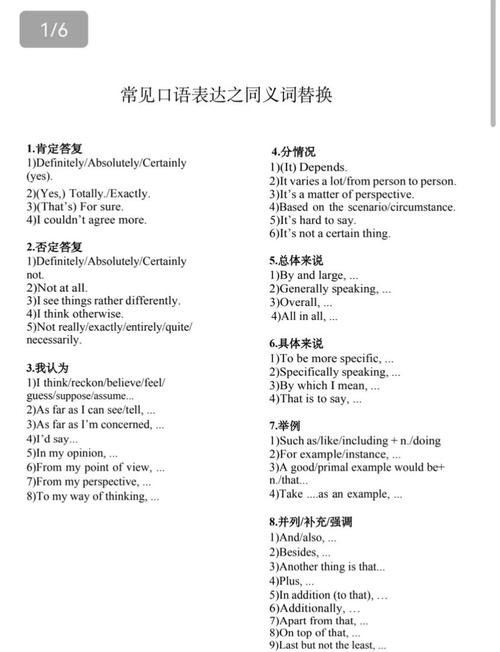
表达喜好与感受的句型
- 表达喜欢:I’m really into... / I’m a big fan of... / What appeals to me most is...
- 描述情感:This song makes me feel nostalgic / energized / calm. / It touches my heart deeply.
- 评价影响:It has a profound impact on my mood / creativity / daily routine.
- 举例说明:For instance, when I listen to..., I can...
话题拓展:从个人经历到社会文化
个人经历类话题
以“Describe a song that has special meaning to you”为例,可按以下结构展开:
- 引入:简要介绍歌曲(名称、歌手、 genre)。
- 背景:何时何地第一次听到(e.g., “I first heard this song during my college graduation ceremony”)。
- 细节:歌词或旋律的特别之处(e.g., “The lyrics talk about chasing dreams, which resonated with me as I was about to start my career”)。
- 感受:歌曲带来的影响(e.g., “Whenever I feel discouraged, I play this song to remind myself to stay strong”)。
社会文化类话题(Part 3)
针对“Why is music important in different cultures?”,可从三方面分析:

- 文化传承:Traditional music carries historical stories and values (e.g., Chinese folk songs reflect rural life and customs).
- 情感纽带:Music brings people together during festivals or celebrations (e.g., Christmas carols unite families).
- 身份认同:Specific genres represent a group’s identity (e.g., Hip-hop originated from African American communities and expresses social issues).
备考策略与练习建议
- 词汇积累场景化:避免死记硬背,将词汇与个人经历结合(如描述一次音乐会经历,自然融入“venue, atmosphere, live performance”等词)。
- 模仿与跟读:选择英文歌曲或音乐访谈(如BBC Music Magazine podcasts),模仿母语者的发音、语调及停顿,提升口语流利度。
- 话题卡限时练习:针对Part 2话题,用手机计时1-2分钟,录音后回听,检查逻辑连贯性、语法错误及内容完整性。
- 拓展阅读与讨论:阅读关于音乐产业的英文文章(如The Guardian的音乐版块),积累观点与表达,为Part 3储备素材。
FAQs
Q1: 雅思口语中描述音乐时,是否需要使用专业音乐术语?
A1: 不必刻意使用专业术语,但适当加入基础词汇(如rhythm, melody, lyrics)能展现语言丰富性,重点是通过简单、准确的描述传递情感与观点,而非堆砌术语,可以说“The melody is soothing”而非“The chord progression is diatonic”,前者更自然且易懂。
Q2: 如果对某个音乐类型不熟悉,如何避免在Part 1/3中冷场?
A2: 可采用“转移话题+合理推测”的策略,当被问及“Do you like traditional music?”时,若不熟悉,可回答:“To be honest, I’m not very familiar with traditional music, but I believe it plays an important role in preserving cultural heritage. I’d love to learn more about it someday.” 这样既诚实,又展现了积极态度,同时避免了沉默。