雅思双观点作文的写作策略与技巧
雅思写作Task 2中的双观点作文(也称“双方观点讨论题”)是常见题型之一,要求考生讨论两种对立或不同的观点,并最终给出自己的立场或结论,这类题目通常以“Discuss both views and give your own opinion”或“What are the advantages and disadvantages of both views?”等形式出现,掌握其结构和论证方法,是取得高分的关键。
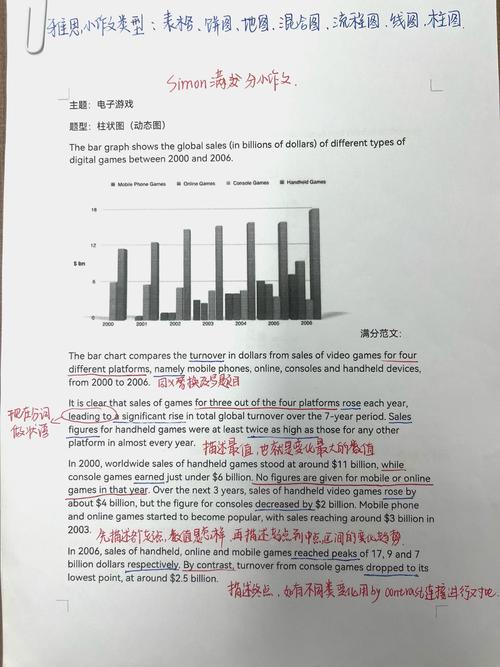
题目解析与结构布局
双观点作文的核心在于平衡分析和清晰表态,考生需先理解两种观点的内涵,再分别展开论述,最后明确自己的立场,典型的结构如下:
-
引言段(Introduction)
- 重述题目背景,用同义替换改写关键词。
- 点明讨论双方观点,并暗示自己将论述的内容。
- 示例:
“The debate over whether technology enhances or undermines human communication has intensified. While some argue that digital tools bridge distances, others contend they reduce face-to-face interaction. This essay will examine both perspectives before presenting a personal view.”
-
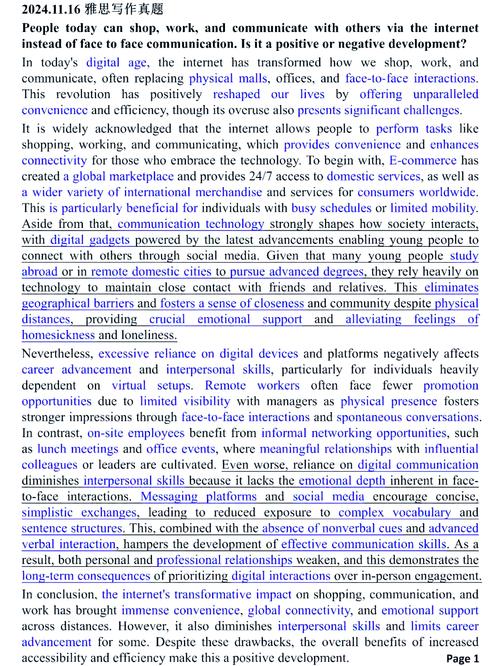
主体段一(Body Paragraph 1):支持观点A
 (图片来源网络,侵删)
- 主题句明确观点A的核心论点。
- 提供2-3个论据,如数据、例子或逻辑推理。
- 示例:
“Proponents of technology’s positive role highlight its ability to connect people globally. For instance, video conferencing enables families separated by continents to maintain relationships, while social media platforms facilitate instant information sharing during crises.”
-
主体段二(Body Paragraph 2):支持观点B
- 同样以主题句引出观点B,确保与观点A形成对比。
- 使用具体例子或研究结果增强说服力。
- 示例:
“Conversely, critics argue that over-reliance on technology erodes interpersonal skills. Studies show that excessive social media use correlates with declining empathy in younger generations, as virtual interactions lack the nuance of face-to-face communication.”
-
结论段(Conclusion)
 (图片来源网络,侵删)
- 总结双方观点,避免引入新论点。
- 清晰陈述个人立场,并简要说明理由。
- 示例:
“In conclusion, while technology offers unprecedented connectivity, its potential to weaken genuine human interaction cannot be ignored. I believe its impact depends on usage balance, and societies should promote mindful tech adoption.”
论证方法与语言表达
论证的平衡性
- 避免倾向某一观点,即使个人立场明确,也要先公平呈现双方论据。
- 可用“On the one hand… On the other hand…”或“While… it is also true that…”等过渡词增强对比。
论据的多样性
- 数据:引用权威研究(如“According to a 2025 survey by Pew Research…”)。
- 例子:个人经历、历史事件或社会现象(如“The COVID-19 pandemic demonstrated how remote work tools sustained productivity…”)。
- 逻辑推理:分析因果关系(如“Reduced face-to-face interaction may lead to social isolation, which in affects mental health”)。
语言表达的学术性
- 使用被动语态和名词化结构(如“Technology has been credited with…”)。
- 避免口语化词汇,替换为正式表达(如“lots of”→“numerous”,“show”→“demonstrate”)。
常见误区与注意事项
| 误区 | 改进建议 |
|---|---|
| 偏向一方观点 | 确保主体段篇幅和论据权重平衡 |
| 论据缺乏具体性 | 用数据、例子或细节支撑论点 |
| 结论重复前文 | 提炼核心观点,升华主题 |
| 结构混乱 | 或过渡词明确段落逻辑 |
相关问答FAQs
Q1: 双观点作文是否必须明确选择一方立场?
A: 是的,题目要求“give your own opinion”,因此结论段需明确表态,但注意,立场可以是“完全支持一方”“折中双方”或“视情况而定”,只要逻辑自洽即可。
Q2: 如何避免论述时重复观点?
A: 可通过“论点+论据+分析”的层次展开,例如先提出观点,再用例子证明,最后分析其影响,注意使用不同的连接词(如“furthermore”“moreover”)和句式结构。
通过以上策略,考生可以系统性地构建双观点作文,确保内容充实、逻辑清晰,从而在雅思写作中取得理想成绩。