雅思利弊型作文是雅思写作Task 2中常见的议论文题型,要求考生对某一社会现象、政策或观点进行利弊分析,并最终给出个人立场或建议,这类作文不仅考察考生的语言表达能力,更注重逻辑思维和批判性思考能力,以下从结构解析、写作要点、实用技巧等方面展开分析,并提供范文框架和FAQs参考。
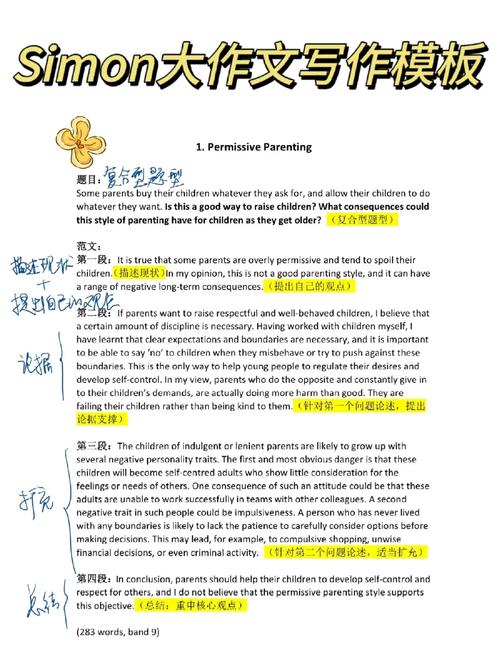
雅思利弊型作文的核心结构
利弊型作文需遵循“引言-主体-的经典结构,确保逻辑清晰、层次分明。
引言段(Introduction)
功能:背景引入+话题明确+ thesis statement(核心观点)。
写法:
- 用1-2句话概括现象背景(如“随着全球化发展,线上教育逐渐普及”)。
- 明确讨论主题(如“本文将分析线上教育的优势与弊端”)。
- 提出个人立场(可选,如“尽管线上教育存在局限性,但其积极影响更为显著”)。
主体段(Body Paragraphs)
功能:分点阐述利弊,需有论据支撑。
结构:通常2-3段,可“一段一利弊”或“两段集中讨论利弊+一段个人观点”。
- 利弊论证:每段开头为主题句(如“线上教育的首要优势在于灵活性”), followed by 解释+具体例子(如“学生可自主安排学习时间,适合在职人士”)。
- 平衡性:即使个人有明确倾向,也需客观呈现对立观点(如“线上教育缺乏面对面互动,可能影响学习效果”)。
结论段(Conclusion)
功能:总结利弊+重申立场+建议(可选)。
写法:

- 用1句话概括利弊(如“线上教育兼具便捷性与局限性”)。
- 明确回应引言中的立场(如“其优势使其成为传统教育的有效补充”)。
- 提出解决方案或展望(如“未来可通过技术优化互动体验,弥补现存不足”)。
利弊分析的实用技巧
论据选择:具体化、多样化
- 数据支撑:引用权威机构数据(如“据联合国教科文组织报告,2025年全球在线课程注册量同比增长30%”)。
- 实例说明:结合生活实际(如“疫情期间,线上教育确保了数亿学生‘停课不停学’”)。
- 逻辑关联:论需紧扣主题,避免偏离(如讨论“远程办公”时,需关联“工作效率”“工作生活平衡”等核心点)。
语言表达:客观中立,避免绝对化
- 使用“may”“might”“tend to”等缓和语气(如“过度使用电子产品可能损害视力”)。
- 对比句式增强逻辑性(如“虽然A带来了便利,但B也不容忽视”)。
结构优化:善用连接词与过渡句
- 利弊过渡:转折连接词(however, nevertheless, on the other hand)。
- 段落衔接:逻辑连接词(furthermore, moreover, in addition)。
利弊型作文框架示例(以“社交媒体对青少年影响”为例)
引言段
In an era dominated by digital technology, social media has become an integral part of teenagers' daily lives. While it offers unprecedented opportunities for communication and learning, its potential drawbacks cannot be overlooked. This essay will examine both the advantages and disadvantages of social media for young people, arguing that its impact largely depends on usage patterns.
主体段1:优势
One of the primary benefits of social media is its role in fostering connectivity and social awareness. Platforms like Instagram and TikTok enable teenagers to maintain relationships with peers across geographical boundaries, reducing feelings of isolation. For instance, during the COVID-19 lockdowns, social media provided a vital channel for students to stay connected with friends and participate in virtual events. Additionally, it serves as a tool for social advocacy, with many young users raising awareness about global issues such as climate change and mental health, thereby developing a sense of civic responsibility.
主体段2:劣势
However, excessive social media use poses significant risks to adolescents' well-being. Firstly, it can lead to mental health issues, including anxiety and depression, as users often compare their lives to curated online personas, fostering low self-esteem. A 2025 study by the American Psychological Association found that teenagers spending over three hours daily on social media were 35% more likely to experience depression. Secondly, the spread of misinformation and cyberbullying further exacerbates these problems, with vulnerable individuals facing online harassment that can have long-term psychological effects.
主体段3:平衡观点
Despite these drawbacks, the negative impacts are not inherent to social media itself but rather stem from unregulated usage. When used mindfully, platforms can be harnessed for educational purposes, such as accessing online courses or academic resources. Parents and educators should therefore focus on teaching digital literacy rather than outright restriction, guiding teenagers to distinguish between positive and negative content.
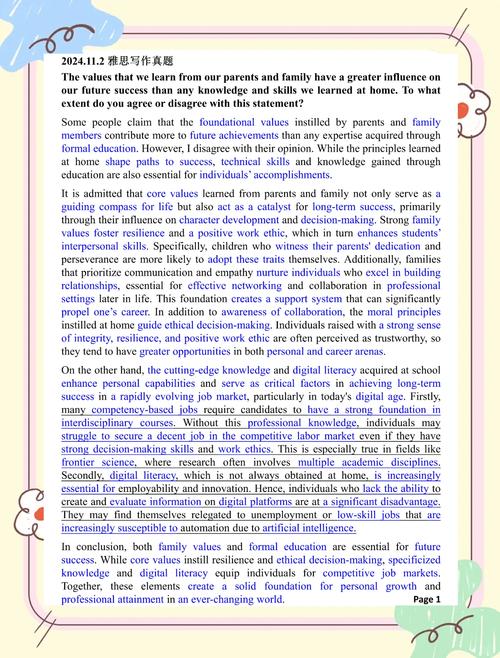
结论段
In conclusion, social media presents a dual-edged sword for teenagers, offering both opportunities for connection and risks to mental health. While its drawbacks are concerning, they can be mitigated through balanced usage and proper guidance. Ultimately, fostering responsible habits is key to ensuring that social media serves as a force for good in young people's lives.
相关问答FAQs
Q1: 利弊型作文是否必须明确给出个人立场?
A: 雅思利弊型作文不强制要求个人立场,但明确立场(如“利大于弊”“弊大于利”或“需辩证看待”)能使文章结构更清晰,分数更高,若选择中立立场,需在结论中总结利弊并给出建议,避免观点模糊。
Q2: 如何避免利弊分析内容重复?
A: 可通过“角度差异化”解决,例如讨论“远程办公”,优势侧重“灵活性、成本节约”,劣势侧重“团队协作、职业发展”,确保每段论点独立,用具体例子区分利弊场景(如优势用“自由安排居家办公”,劣势用“跨时区会议效率低下”),避免论据重叠。