
雅思作文混合图是雅思学术类写作Task 2中常见的一种题型,要求考生结合两种或多种图表类型(如柱状图与饼图、线图与表格等)进行分析和描述,这类题目不仅考察数据提取能力,还考验逻辑整合与信息对比能力,本文将系统解析混合图的写作策略,从审题、结构安排到核心技巧展开,并提供实用案例与常见问题解答,帮助考生高效应对考试。
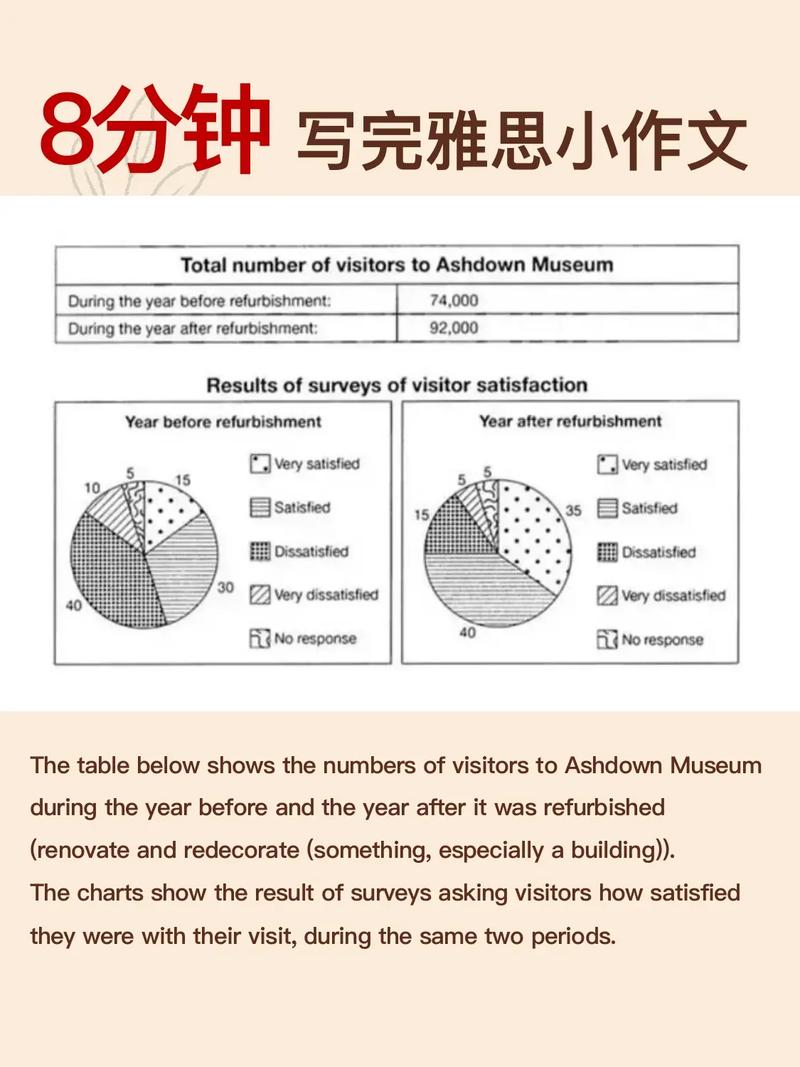
混合图的核心特点与审题要点
混合图通常由两个或三个关联图表组成,柱状图+饼图”展示某地不同能源的使用量与占比,“线图+表格”呈现某产品销量变化与市场份额对比,其核心特点是数据互补性——一个图表可能呈现动态变化(如线图、柱状图),另一个呈现静态分布(如饼图、表格),考生需通过关联词将两类数据有机结合。
审题三步法:
- 明确图表类型与主题:快速识别每个图表的维度(如时间、类别、比例),并提炼共同主题,若柱状图展示2010-2025年全球塑料产量变化,饼图展示2025年塑料用途分布,则主题为“塑料生产的趋势与结构”。
- 标注核心数据与趋势:用不同符号标记每个图表的关键信息(如最大值、最小值、转折点、占比突出项),线图中“2025年销量骤降”、表格中“亚洲市场占比超50%”需重点标注。
- 确定逻辑关联点:思考图表间的内在联系,如“时间变化与结构占比的关联”“总量与分量的关系”,塑料产量上升可能对应包装用途占比增加,此类关联需在文中重点分析。
混合图的高分结构框架
混合图建议采用“四段式”结构,确保逻辑清晰、重点突出,具体框架如下:
开篇段:概述图表核心信息(约60词)
- 公式:图表主题+两个图表的核心结论(动态趋势/静态分布)+关联性提示。
- 示例:
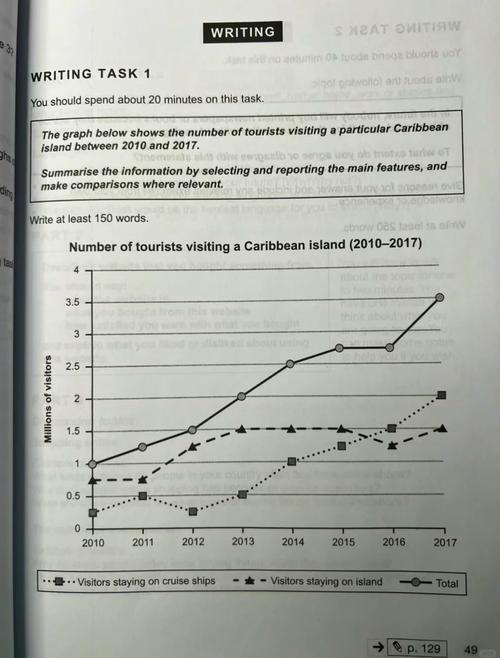
The provided illustrations delineate the trends of plastic production globally from 2010 to 2025 and the distribution of its applications in 2025. Overall, global plastic output witnessed a steady increase over the decade, with packaging emerging as the dominant sector, accounting for nearly 40% of total usage.
 (图片来源网络,侵删)
主体段一:描述动态图表(如线图、柱状图)(约150词)
- 策略:按时间顺序或数据分组展开,突出趋势、极值与波动。
- 技巧:使用“while”“whereas”等对比词连接不同数据组,避免简单罗列。
- 示例(线图描述):
Between 2010 and 2025, global plastic production rose from 270 million tons to 367 million tons, with the most significant growth occurring in the latter half of the period (2025-2025), when the output surged by approximately 60 million tons. Notably, the annual growth rate accelerated from 2.5% in 2010-2025 to 4.1% in 2025-2025, indicating an expanding demand for plastic materials across industries.
主体段二:描述静态图表(如饼图、表格)(约150词)
- 策略:按数据大小排序或类别分组,强调占比与差异。
- 技巧:用“accounting for”“constituting”等表达占比,用“in contrast”“by comparison”突出对比。
- 示例(饼图描述):
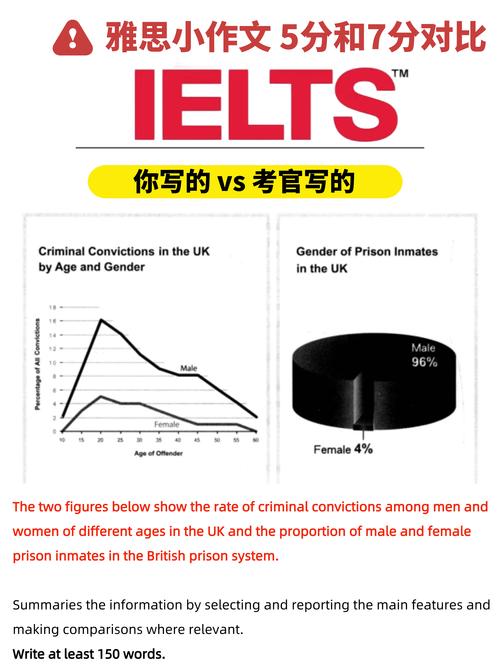
The pie chart reveals that packaging constituted the largest share of plastic applications in 2025, at 39%, followed by construction (22%) and automotive (18%). In contrast, the electronics sector accounted for only 8%, while other uses made up the remaining 13%. This distribution suggests that plastic is predominantly utilized in short-lived products, which may contribute to environmental challenges due to waste generation.
主体段三:整合图表关联,深入分析(约120词)
- 策略:基于前两段数据,解释图表间的逻辑关系(如因果关系、趋势-结构对应)。
- 技巧:使用“this trend is reflected in”“the correlation between...and...”等衔接词,体现分析深度。
- 示例(关联分析):
The surge in plastic production is closely linked to the growing dominance of packaging, which relies heavily on single-use plastics. For instance, the 36% increase in output from 2025 to 2025 coincided with a 5% rise in packaging’s market share, implying that rising demand for packaging materials has been a key driver of global plastic expansion. This interdependence underscores the need for sustainable alternatives to mitigate environmental impacts.
结尾段:总结核心趋势与建议(约60词)
- 策略:重申主要发现,简要提出 implications(如影响、建议),避免引入新数据。
- 示例:
In conclusion, global plastic production has experienced robust growth, largely fueled by the packaging sector’s dominance. To address the resulting environmental concerns, urgent measures such as promoting biodegradable materials and reducing single-use plastic reliance are imperative.
 (图片来源网络,侵删)
混合图写作实用技巧与避坑指南
数据选择与呈现技巧
- 抓大放小:优先描述核心趋势(如上升/下降)、极值(最高/最低)、显著差异(占比悬殊),次要数据可合并表述。
- 避免绝对化:用“approximately”“around”“just over”等词修饰数据,accounting for approximately 35%”而非“35%”。
- 表格数据对比法:若表格含多组数据(如不同国家/年份),可采用“横向对比(国家间)”或“纵向对比(时间变化)”展开,避免逐项罗列。
常见错误与规避方法
| 错误类型 | 案例 | 改进方法 |
|---|---|---|
| 数据罗列 | “The bar chart shows 20% in 2010, 25% in 2025, and 30% in 2025.” | “The figure experienced a consistent growth, from 20% in 2010 to 30% in 2025.” |
| 图表割裂 | 分别描述线图和饼图,未建立关联 | 增加“This trend is mirrored in the pie chart, where...”等衔接句 |
| 分析浅层化 | 仅描述数据,未解释原因或影响 | 结合数据推断逻辑,如“Higher production in Asia may stem from...” |
混合图高频场景与案例速览
场景1:线图+饼图(某城市交通方式变化)
- 线图:2010-2025年私家车、公交、地铁使用率变化(私家车上升,公交下降,地铁先升后稳)。
- 饼图:2025年各交通方式占比(私家车45%,地铁30%,公交15%,其他10%)。
- 关联点:私家车使用率上升与占比领先对应,地铁发展分流公交需求。
场景2:柱状图+表格(全球可再生能源投资)
- 柱状图:2025-2025年太阳能、风能、水能投资金额变化(太阳能投资增速最快)。
- 表格:2025年各地区投资占比(欧洲35%,亚洲40%,北美20%,其他5%)。
- 关联点:亚洲投资占比高推动全球太阳能投资增长。
相关问答FAQs
Q1:混合图中,若两个图表数据单位不同(如“万吨”和“%”),如何避免混淆?
A:在描述时明确标注单位,“The bar chart illustrates the output in million tons (270 in 2010), while the pie chart displays the percentage distribution (40% for packaging)”,在主体段开头用“Turning to the...”等短语切换图表,确保逻辑清晰。
Q2:混合图是否需要计算数据(如增减量、占比)?若图表未给出具体数字,如何处理?
A:若题目允许(如图表标注“can be estimated”),可合理计算关键数据(如“from 2010 to 2025, the figure increased by approximately 36%”),但需避免过度复杂计算,若图表无具体数字,可用“a significant rise”“a slight decline”等定性描述,重点分析趋势与关系。