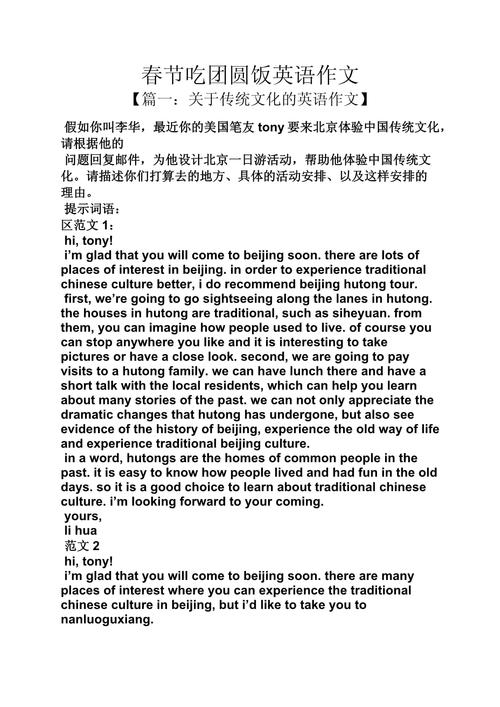
提起家庭大聚餐,许多人脑海中会浮现温馨画面与生动细节,若能用英文将其流畅记录,不仅是一次语言实践,更是情感与思维的精致表达,我们就以“家庭大聚餐”为主题,探讨如何提升英语作文的写作能力,让文字承载的记忆跨越语言障碍。
精准立意:从普通场景中挖掘独特视角
一篇好文章,立意是灵魂,写家庭聚餐,若只罗列“吃了什么、说了什么”,容易流于平淡,尝试寻找独特切入点:或许是餐桌上外婆那道传统菜肴承载的家族迁徙史,或许是三代人对“团圆”理解差异引发的温和讨论,又或许是透过这次聚餐观察到家人细微变化带来的感悟,你可以这样开篇:“The annual family reunion dinner is never merely about the food; it is a living tapestry where threads of tradition, change, and unspoken love are woven together.” 这样的立意瞬间将文章从日常记录提升至文化观察与情感探讨的层面。
确立立意后,用清晰的主题句(Thesis Statement)在首段点明。“This year’s gathering revealed how our family rituals are gently evolving, bridging generations through shared stories and new traditions.” 这为全文提供了明确的论述方向。
结构搭建:让叙述有条理且引人入胜
清晰结构是文章的骨架,能引导读者轻松跟随你的思路。
- 引言(Introduction):用生动场景、引语或问题吸引读者,自然引出主题和核心观点。
- 主体段落(Body Paragraphs):建议分为2-3段,每段围绕一个分论点展开。
- 描绘场景与人物(Setting and Characters),聚焦环境氛围与核心人物,避免泛泛而谈,选择最具代表性的细节: Uncle Li’s booming laughter that set the tone, the soft clatter of porcelain, the aromatic steam rising from the central hot pot. 刻画人物时,结合细微动作与对话:“My grandmother, her hands tracing the pattern on her old teacup, began, ‘This recipe traveled with us from the south…’”
- 叙述事件与互动(Event and Interactions),描述聚餐过程的关键时刻或小插曲,这是展现家庭动态与情感的机会,表弟尝试用英文介绍他的学业,虽不流畅却赢得鼓励的掌声;家人们就一个轻松话题展开的跨代对话,注意使用过渡词:Meanwhile, Subsequently, More importantly。
- 深化主题与个人反思(Deepening Theme and Reflection),这是文章的升华部分,探讨聚餐体现的文化意义、家庭纽带或个人成长,将具体观察转化为普遍思考:“It struck me that these gatherings are our family’s way of preserving a continuum, where each member, from the eldest to the youngest, finds a place in the narrative.”
- Conclusion):有力收束,重申或深化主题,留给读者余味,避免简单重复,可呼应开头或展望未来:“As the evening faded, the echoes of conversation lingered, a reminder that while the dishes are cleared, the connections fortified around that table endure.”
语言运用:让文字生动、准确、地道
词汇与句式的丰富性是文章的血肉。
- 词汇选择:避免重复使用如“happy”、“nice”等普通词汇,描绘食物可用“succulent,” “savory,” “simmered,” “homely flavor”;形容氛围可用“convivial,” “heartwarming,” “bustling with energy,” “filled with mellow light”,使用具体动词:“the stories unfolded,” “laughter rippled,” “the aroma permeated the room.”
- 句式变化:交替使用简单句、复合句和复杂句,穿插分词短语、介词短语等,增加句子层次,Instead of “We ate and talked.” 可写为 “While savoring the delicacies, we exchanged updates, our conversations weaving a lively tapestry of shared lives.”
- 感官描写:充分调动视觉、听觉、嗅觉、味觉、触觉,让读者仿佛身临其境:“The crisp sound of spring rolls being bitten into contrasted with the soft, melting texture of the braised pork.” “The scent of ginger and scallion oil instantly evoked childhood memories.”
- 直接引语与间接引语:适当加入家人对话,使叙述鲜活,注意标点使用:“‘Try this,’ my aunt insisted, placing a chicken drumstick on my plate. ‘It’s your favorite.’”
- 时态一致:叙事通常使用一般过去时,若描述习惯或永恒真理,可使用一般现在时,保持时态一致性,避免不必要的跳跃。
文化意识的融入:提升文章的深度与共鸣
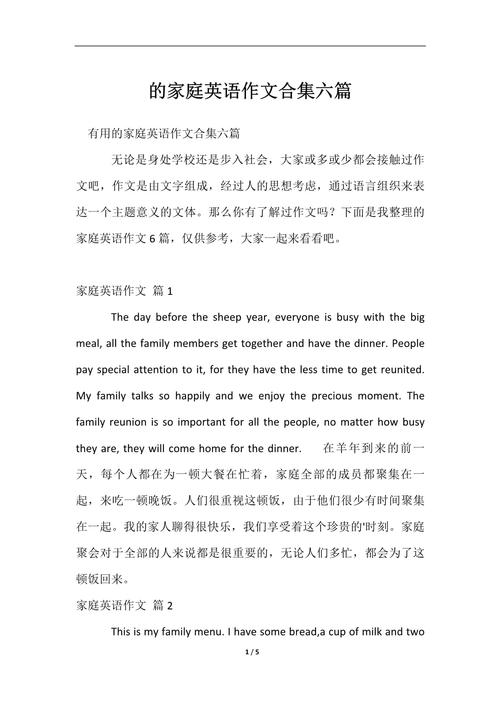
在英文写作中,适当解释具有文化特色的内容,能帮助不同背景读者理解,并展现你的文化洞察力,介绍“年夜饭”或特定菜肴时,可自然添加简短说明:“…the fish dish, which symbolizes abundance and prosperity in our culture, is always served whole.” 这种处理方式,既传达了信息,也体现了作者的双文化视角,增强了文章的可信度与独特性。
修改与润色:从完成到完善
好文章是改出来的,初稿完成后,进行以下几轮检查:
- 内容与逻辑:论点是否明确?例子是否支撑观点?段落衔接是否自然?
- 语言与语法:检查主谓一致、时态、冠词、介词搭配,避免中式英语直译。
- 简洁与生动:删减冗余词汇,将抽象表述转化为具体意象,将“The food was very good.” 改为 “Each bite was a burst of familiar, comforting flavors.”
- 寻求反馈:请老师或英语水平较好的朋友阅读,听取他们关于清晰度和流畅度的意见。
将“家庭大聚餐”转化为一篇优秀的英文作文,本质是一次思维的整理与情感的翻译,它要求我们不仅观察生活,更思考其意义;不仅使用语言,更驾驭其韵律,写作的提升,在于持续练习与用心揣摩,从这次聚餐开始,尝试用英文捕捉生活的温度,你的笔尖下流淌的,将不仅是正确的句子,更是具有个人印记的、能够连接人心的真实故事。