
在雅思口语考试中,遇到“好笑的场合”这类话题时,考生往往需要结合具体经历与生动表达,才能展现语言能力与个人特色,这类话题不仅考察词汇运用与语法结构,更考验叙事逻辑与情感传递,以下从常见场景、表达技巧及备考建议三方面展开分析,帮助考生从容应对。
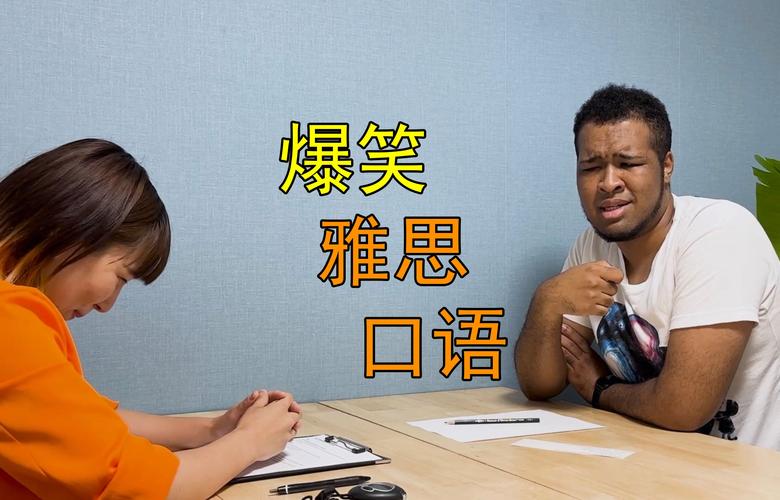
雅思口语中的“好笑的场合”:常见场景解析
雅思口语Part 1可能会围绕“Do you like funny movies?”或“Have you ever laughed uncontrollably?”等基础问题切入,而Part 2则常要求描述“a funny event that happened to you”或“a time you saw someone funny”,考生需提前准备2-3个真实、有趣的生活片段,避免编造生硬的故事。
常见场景分类
| 场景类型 | 示例主题 | 核心要素 |
|---|---|---|
| 个人糗事 | 在公共场合摔倒、说错话 | 细节描写(动作、神态)、自我调侃 |
| 朋友/家人趣事 | 朋友迷路、宠物捣乱 | 对话还原、夸张手法 |
| 文化差异笑料 | 因语言误解闹出的笑话 | 背景说明、幽默对比 |
| 意外巧合 | 阴差阳错的巧合事件 | 悬念设置、反转效果 |
描述“朋友迷路”时,可加入具体时间(“Last Spring Festival”)、地点(“a crowded night market”)和朋友的神态(“wandering in circles, holding a map upside down”),通过细节增强画面感。
如何生动描述“好笑的场合”:表达技巧
要让故事既“好笑”又“自然”,需兼顾语言准确性与感染力,以下技巧可供参考:
运用感官描写与动作细节
避免笼统说“it was funny”,而是通过具体场景让考官“看到”笑点。
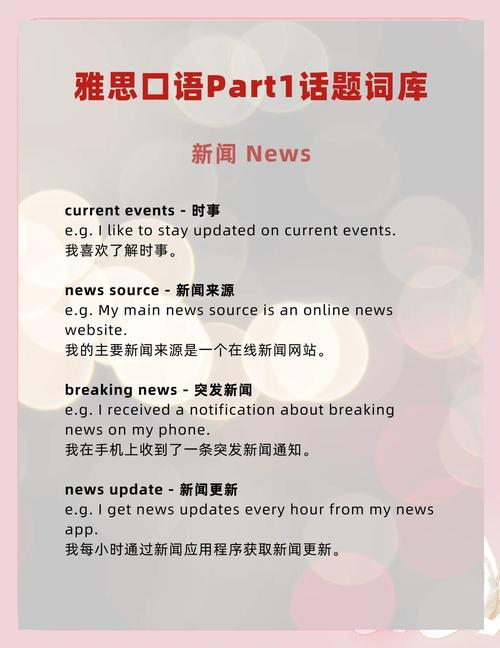
“My aunt tried to use a selfie stick to take a photo of her cat, but the cat mistook it for a toy and started chasing it around the living room. The stick flew into the air, and her phone landed in a bowl of fruit salad—we all burst out laughing, especially when she yelled, ‘My phone is dressing up!’”
善用夸张与比喻
适当使用夸张手法强化幽默效果,但需注意分寸,避免过度失真。
“My cousin’s face turned as red as a tomato when he realized he’d worn two different socks to a job interview. He said he was ‘testing the company’s dress code flexibility’—which somehow made it even funnier.”
加入对话与心理活动
还原当时的对话或内心OS,能拉近与考官的距离。
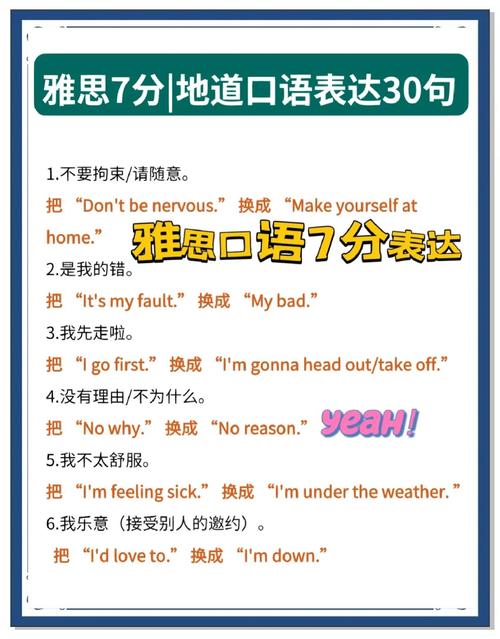
“I whispered to my friend, ‘Do you think anyone noticed?’ and she replied, ‘Well, the baby three tables away is still staring at your hair, so probably yes.’ That’s when I lost it completely.”
备考建议:从“准备”到“自然表达”
积累幽默主题词汇
- 形容滑稽:hilarious, ridiculous, sidesplitting, awkward, cringe-worthy
- 动作描写:trip over, stumble, choke on laughter, double over, roll on the floor laughing (ROFL)
- 场景词汇:embarrassing moment, blooper, comedy of errors, slapstick
练习“故事框架”
采用“背景-发展-高潮-结局”结构,确保逻辑清晰。
- 背景:“Last month, I joined a cooking class and was supposed to make dumplings.”
- 发展:“I got too excited and added five times the amount of chili the recipe called for.”
- 高潮:“When the teacher took a bite, her face turned purple, and she started drinking three glasses of water in a row.”
- 结局:“We all ended up ordering pizza instead, and she jokingly called me the ‘spice king’.”
模拟练习与反馈
与语伴或老师进行角色扮演,录制自己的回答并回听,重点检查:
- 语速是否适中(避免因紧张过快导致笑点丢失)
- 发音是否清晰(尤其是重音和语调,笑点处可适当升调)
- 表情是否自然(口语考试虽为视频形式,但适当微笑能传递感染力)
相关问答FAQs
Q1: 如果我没有特别搞笑的经历,雅思口语考试中可以编造故事吗?
A1: 不建议完全编造虚构故事,因为考官能轻易识别出不自然的细节,且编造故事容易在紧张时忘记逻辑漏洞,但可以基于真实经历进行“艺术加工”,例如夸张某个细节、调整事件顺序,或融合多个小片段,让故事更生动有趣,真实性永远是口语表达的核心。
Q2: 描述“好笑的场合”时,如何避免使用低俗或冒犯性的笑话?
A2: 雅思口语注重语言能力而非笑话内容,应选择“安全幽默”:避免涉及种族、性别、宗教等敏感话题,不嘲笑他人缺陷(如口音、外貌),优先选择自嘲或无伤大雅的意外事件,描述自己“把盐当糖放进咖啡”比“嘲笑同学口音”更得体,也能展现幽默感与同理心。