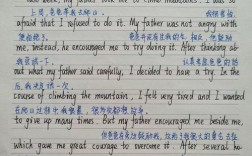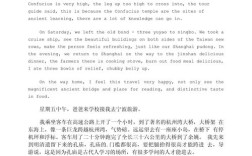
英语写作能力的提升,往往不在于背诵海量范文,而在于掌握核心、可灵活组合的句式骨架,掌握一些关键句型,就如同拥有了构建文章的积木,能清晰、有力、地道地表达思想,以下八个句型,经过精心提炼和练习,能有效为你的英文作文注入活力与逻辑。

(图片来源网络,侵删)
第一句:开门见山,亮明观点 文章开头至关重要,需要直接、明确地呈现核心论点,避免迂回曲折,使用简洁的从句或强调结构是高效的选择。
- 实用句型:”It is universally acknowledged that…”, “There is no denying that…”, 或更直接的 “This essay argues that…”
- 应用解析:讨论科技影响时,可以这样开头:”There is no denying that artificial intelligence is reshaping every facet of our lives.” 这句话立场坚定,为下文的论述定下基调,这种开篇方式符合英语读者偏好直接沟通的习惯,能迅速建立文章的专业性和目的性。
第二句:列举要点,搭建框架 提出观点后,需要向读者展示论述的路线图,使用列举性句型能使文章结构一目了然。
- 实用句型:”The reasons for this phenomenon are threefold.”, “This can be examined from the following perspectives.”
- 应用解析:紧接着开头句,可以写道:”The profound impact of AI can be examined from three key perspectives: economic productivity, social interaction, and ethical considerations.” 这句话如同一个目录,预告了文章主体部分的内容,使逻辑脉络清晰可见,极大提升了阅读的顺畅度。
第三句:递进阐述,深化逻辑 在展开每一个分论点时,需要进一步解释和深化,使用递进或因果关系的句型,能展示思考的深度。
- 实用句型:”This is not merely…, but more importantly…”, “Not only does it…, but it also…”
- 应用解析:在阐述经济影响时,可以深入:”AI-driven automation not only enhances efficiency, but it also fundamentally redefines the nature of work itself.” 这种句型避免了论述的平面化,体现了分析问题的层次感,使论证更有说服力。
第四句:对比参照,凸显特征 通过对比或让步,可以使论述更加辩证、全面,展现批判性思维。
(图片来源网络,侵删)
- 实用句型:”While it is true that…, the opposite is also worth considering.”, “In contrast to…, …”
- 应用解析:谈到社交影响时,可以辩证地说:”While it is true that digital connectivity brings people closer virtually, the opposite effect on face-to-face intimacy is also worth considering.” 这个句型承认了问题的复杂性,避免了绝对化,体现了作者全面思考的能力。
第五句:例证支撑,言之有物 观点需要具体事例的支撑才能站稳脚跟,引入例证时,应自然流畅。
- 实用句型:”A case in point is…”, “This is perfectly exemplified by…”
- 应用解析:在论证伦理考量时,可以举例:”The ethical dilemmas are perfectly exemplified by the ongoing debates surrounding autonomous vehicles and their decision-making algorithms in critical situations.” 具体实例使抽象观点变得可知可感,增强了文章的可信度和现实相关性。
第六句:强调后果,引发共鸣 在分析问题后,指出其重要性或潜在后果,能提升论述的紧迫感和深度。
- 实用句型:”Failure to address this issue could lead to…”, “The significance of … cannot be overestimated.”
- 应用解析:在结尾前强调:”Therefore, failure to establish robust ethical guidelines for AI development could lead to unintended societal consequences.” 这句话将讨论提升到新的高度,引发读者对问题重要性的共鸣,体现了作者的前瞻性思维。
第七句:总结上文,承上启下 在段落结尾或进入新部分前,用一句话精炼总结,并自然过渡。
- 实用句型:”Given the factors discussed above, …”, “Having examined…, we now turn to…”
- 应用解析:在结束一个段落时,可以写道:”Given the economic and social transformations discussed, the ethical dimension demands our utmost attention.” 这句话既总结了前文,又巧妙地引出了下一个议题,保证了文章整体的连贯性与节奏感。
第八句:重申升华,有力收尾 结尾应有力回响开头,但并非简单重复,而是升华或提出展望。
(图片来源网络,侵删)
- 实用句型:”In light of the analysis, it becomes evident that…”, “Ultimately, the goal should be to…”
- 应用解析:文章结尾可以这样收束:”In light of the analysis, it becomes evident that navigating the AI era requires not only technological prowess but also profound human wisdom.” 这个句型超越了简单总结,提出了一个更具包容性和启发性的最终见解,给读者留下深刻印象。
将这八个句型内化为写作习惯,意味着你掌握了从起笔、铺陈、论证到收尾的全链条核心表达工具,它们相互衔接,构成了一个完整的论述闭环,真正的熟练运用,绝非生硬套用,而是理解其逻辑本质后,根据具体语境进行词汇和内容的精准填充,建议你在日常阅读中留意这些句型的出现,并主动在写作练习中模仿、化用,通过持续练习,这些句型将从外在的“模板”转化为你内在的思维和表达方式,最终实现英语写作从正确到地道、从清晰到有力的跨越,写作能力的进步,就体现在对这些核心句型的自如驾驭和创造性运用之中。