Health
Health is a fundamental aspect of human life, influencing our daily activities, productivity, and overall well-being. In both casual conversations and formal discussions, health-related topics frequently arise, making it essential to have a clear understanding of key issues, preventive measures, and ways to maintain a healthy lifestyle. This article explores common health topics, practical tips, and frequently asked questions to help you engage in meaningful discussions about health.
Understanding Common Health Topics
Health encompasses physical, mental, and social well-being. Here are some frequently discussed subtopics:
-
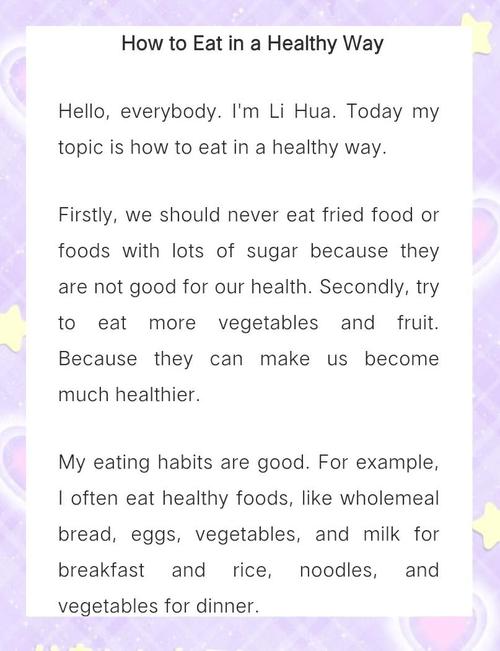
Physical Health: This includes nutrition, exercise, sleep, and disease prevention. A balanced diet, regular physical activity, and adequate sleep are pillars of physical health. For example, the World Health Organization (WHO) recommends at least 150 minutes of moderate exercise per week for adults.
-
Mental Health: Mental well-being is equally important. Stress, anxiety, and depression are common issues that affect millions globally. Practices like mindfulness, meditation, and seeking professional help can significantly improve mental health.
-
Preventive Care: Regular check-ups, vaccinations, and screenings play a vital role in preventing diseases. For instance, annual flu shots and routine blood pressure checks can detect health issues early.
 (图片来源网络,侵删)
Practical Tips for Maintaining Good Health
Adopting healthy habits can significantly enhance quality of life. Below is a table summarizing actionable steps:
| Area | Tips |
|---|---|
| Nutrition | Eat fruits, vegetables, whole grains; limit processed foods and sugar. |
| Exercise | Aim for 30 minutes of daily activity; include cardio and strength training. |
| Sleep | 7-9 hours per night; maintain a consistent sleep schedule. |
| Hydration | Drink 8 glasses of water daily; reduce sugary drinks. |
| Stress Management | Practice deep breathing, yoga, or hobbies to reduce stress. |
Addressing Health Misconceptions
Many myths surround health topics, leading to misinformation. Here are a few clarifications:
-
Myth: "You only need to exercise if you want to lose weight."
Fact: Exercise benefits everyone, improving heart health, mood, and energy levels, regardless of weight goals. -
Myth: "Mental health issues are a sign of weakness."
Fact: Mental health conditions are medical issues, not personal failings, and require compassion and treatment. (图片来源网络,侵删)
The Role of Technology in Health
Technology has revolutionized healthcare, making it more accessible. Wearable fitness trackers, telemedicine, and health apps help individuals monitor their well-being and consult professionals remotely. For example, apps like MyFitnessTrackers allow users to log meals, track workouts, and set personalized goals.
Global Health Challenges
Despite advancements, global health issues persist. Pandemics, antibiotic resistance, and healthcare inequalities are pressing concerns. Public awareness and collective action, such as supporting vaccination drives and advocating for equitable healthcare access, are crucial to addressing these challenges.
FAQs About Health
How can I improve my sleep quality?
To enhance sleep quality, maintain a consistent sleep schedule, create a dark and quiet environment, avoid caffeine and screens before bedtime, and practice relaxation techniques like reading or meditation. If sleep problems persist, consult a healthcare professional.
What are the signs of poor mental health?
Common signs include persistent sadness, loss of interest in activities, fatigue, changes in appetite or sleep, difficulty concentrating, and feelings of hopelessness. If you experience these symptoms, seek support from a mental health specialist or counselor.
In conclusion, health is a multifaceted topic that requires attention and proactive measures. By staying informed, adopting healthy habits, and seeking help when needed, individuals can lead fulfilling lives. Engaging in open discussions about health not only personalizes care but also fosters a culture of well-being in communities.