雅思写作是许多考生面临的挑战,如何在有限时间内组织清晰、有逻辑且语言地道的文章,是取得高分的关键,本文将通过对一篇范文的逐句解析,揭示优秀作文的构建过程,并提供具体可行的提升方法。
第一段:引言段分析
原句:In recent years, the proliferation of digital devices has profoundly transformed the way people, especially the younger generation, access information and engage with the world. 这句话作为开篇,直接切入主题“数字设备的影响”,使用“proliferation”(激增)、“profoundly transformed”(深刻改变)等学术词汇,精准且有力,它限定了讨论范围(信息获取与互动方式),并点明重点关注对象(年轻一代),为下文论述奠定基础。
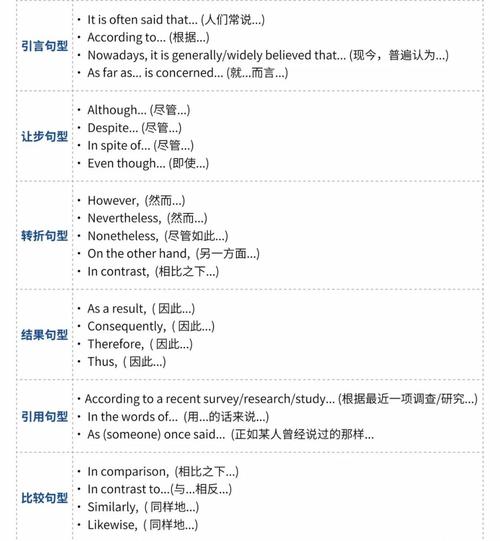
原句:While this shift offers undeniable convenience, concerns regarding its impact on cognitive development and social skills have sparked considerable debate. 第二句是经典的开篇结构:先承认对立面(便利性),再转折引出核心争议点(对认知与社交技能的潜在影响)。 “sparked considerable debate” 是一个自然的过渡,表明下文将探讨这一争议。
提升要点:引言段需完成“介绍主题+展现对立观点+引出个人立场”的任务,避免使用“随着社会发展”等空洞表述,应具体、直接地切入,词汇选择上,可多积累如“give rise to”, “trigger”, “arouse widespread concern”等短语来替代“cause”等简单词。
第二段:主体段一(支持方)
原句:Proponents of digital integration argue that it significantly enhances learning efficiency and information accessibility. 这是段落主题句,清晰表明本段将论述支持方的第一个核心论点。 “Proponents”和“digital integration”都是准确的学术用语。
原句:Educational platforms and online resources provide students with personalized and interactive content, which can cater to diverse learning paces and styles. 紧接着,用具体例证(教育平台、在线资源)支撑主题句。 “personalized and interactive” 描述了优势,“cater to”一词运用得当,体现了针对性。
原句:For instance, language learning applications utilize spaced repetition algorithms, a method proven to bolster vocabulary retention more effectively than traditional rote memorization. 举例是雅思写作得分的关键,此例非常具体(语言学习应用、间隔重复算法),并明确指出了其与传统方法的对比优势(“more effectively”),论证有力。 “bolster retention” 比简单的“improve memory”更出色。
提升要点:每个主体段应有清晰的主题句,论证需“观点+解释+例证”层层推进,例子最好具体、可信,避免说“很多人觉得”,而是像上文一样,提及可验证的方法或现象。
第三段:主体段二(反对方)
原句:However, critics contend that over-reliance on digital tools may impair deep thinking and interpersonal abilities. 用“However”强转折,引出反对方观点,主题句中的“impair deep thinking and interpersonal abilities”直接对应引言段的“concerns”,形成逻辑闭环。
原句:The constant influx of fragmented information from social media can shorten attention spans, making it difficult for individuals to concentrate on lengthy texts or complex tasks. 这句话解释了“如何损害深度思考”。 “constant influx of fragmented information”生动描述了现象,“shorten attention spans”指出了直接后果,并用“making it difficult...”进一步阐述影响,逻辑链完整。
原句:Moreover, face-to-face interactions, which are crucial for interpreting non-verbal cues and building empathy, might be replaced by superficial online communication. “Moreover”引出同一论点下的另一个方面:对社交技能的影响,通过对比“face-to-face interactions”和“superficial online communication”,并强调前者在理解非语言线索和共情方面的关键作用,使论证更深入。
提升要点:论述负面影响时,要避免绝对化(如“一定会导致”),可使用“may”, “might”, “could”等情态动词,体现论述的客观严谨,解释时要具体说明作用机制(如“如何缩短注意力”)。
第四段:个人观点与平衡论述
原句:From my perspective, the key lies not in outright rejection but in cultivating digital literacy and self-regulation. 明确表达个人立场,提出核心解决方案(数字素养与自我调节)。 “the key lies not in... but in...”是一个很好的表达辩证观点的句型。
原句:Educational institutions should integrate critical thinking training into curricula, teaching students how to evaluate online information sources discerningly. 提出具体建议一:教育机构的责任。 “integrate... into...”, “evaluate... discerningly”用词准确,体现了学术性。
原句:Simultaneously, individuals, particularly parents, ought to encourage balanced lifestyles that allocate time for both digital engagement and real-world social activities. 提出具体建议二:个人与家庭的责任。 “balanced lifestyles”, “allocate time for...”是贴合主题的实用建议。
原句:For example, setting designated ‘screen-free’ hours during family time can foster meaningful communication without completely forgoing technological benefits. 再次举例,让建议变得可操作,这个例子(家庭“无屏幕”时间)小巧而贴切,有效支撑了“平衡”的观点。
提升要点:在表达个人观点时,避免简单地说“我同意A方”,可以像上文一样,提出一个综合或超越双方对立的建设性意见,建议应力求具体、可行。
第五段:结论段
原句:In conclusion, while the digital age presents challenges to cognitive and social development, these are not insurmountable. 总结双方,重申问题的存在,但立即用“not insurmountable”转向积极态度,呼应了第四段的立场。
原句:Through concerted efforts in education and conscious self-management, society can harness the power of technology while mitigating its potential drawbacks, steering its influence in a positive direction. 最终结论落在积极解决方案和未来展望上。 “concerted efforts”, “harness the power”, “mitigate drawbacks”, “steer... in a positive direction”等一系列动词短语的运用,使结尾有力、严谨且富有建设性。
提升要点:结论段需简要重述核心冲突与个人立场,但应避免简单重复前文句子,最好进行升华或展望,不要提出前文未论述过的全新观点。
贯穿全文的写作技巧提炼:
- 词汇与语法:避免重复,如“think”可以用“argue”, “contend”, “believe”, “maintain”等替换,注意搭配的准确性,如“spark debate”, “impair ability”, “cultivate literacy”。
- 连贯与衔接:除了明显的“However”, “Moreover”, “For instance”,句与句之间的逻辑连接更重要,如第二段中,举例前用“which can cater to...”进行解释,举例后用“a method proven to...”进行补充说明,这种嵌入式衔接非常自然。
- 任务回应:全文始终紧扣“数字设备对年轻人认知与社交的影响”这一主题,没有偏离,每个段落都服务于论证这个核心议题。
- 论证深度:不满足于表面陈述,在指出“损害社交技能”时,深入到了“非语言线索和共情”层面,这是体现批判性思维的关键。
提升雅思写作,本质上是提升严谨、清晰、有说服力的书面表达能力,机械背诵模板难以获得高分,有效的方法是:精析范文,拆解其逻辑结构;积累主题词汇与地道搭配;针对常考话题进行限时练习,并请专业老师或同伴批改,找出自己的逻辑漏洞和语言问题,通过持续的分析、模仿与修正,构建文章的逻辑框架感和语言的地道性便会不断增强,从而在考场上从容应对各类题目。