想要在雅思口语考试中脱颖而出,仅仅依靠标准的语法和词汇是不够的,考官期待听到的,是你能像梳理一款精致发型一样,将你的语言能力进行个性化、有逻辑且自信地“造型”与展示,本文将探讨如何系统性地提升口语表达,并引入最新数据,帮助你打造令人印象深刻的“口语发型”。
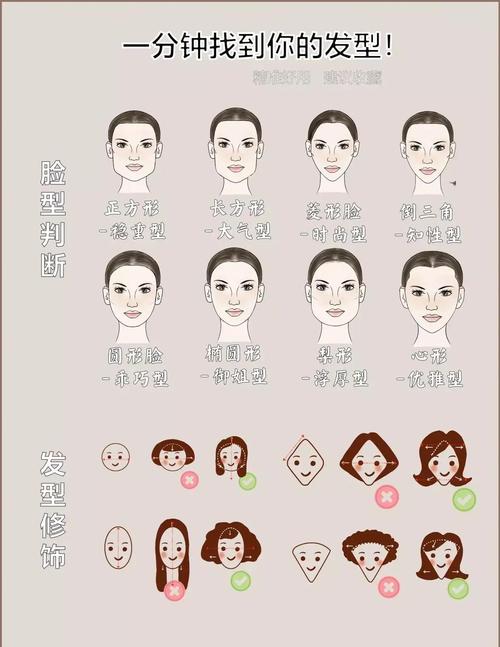
构建坚实“发质”:流利度与连贯性的核心基础
流利并非单纯指语速快,而是指语言输出的平稳与连贯,这如同打造任何发型都需要健康发质作为基础。
关键策略:
- 使用连接词与语篇标记:避免简单的“and, but, so”,熟练运用“On top of that,” “Conversely,” “Having said that,” “As a result,” 等短语,能显著提升回答的逻辑层次。
- 练习延长回答:针对每个问题,有意识地进行“观点-解释-举例”的拓展,当被问到是否喜欢改变发型时,不要只说“Yes, I do.” 可以接着说:“Yes, I’m quite open to changing my hairstyle. For instance, last year I decided to go for a much shorter cut, primarily because it’s more manageable and suits my active lifestyle. It felt like a refreshing change, both physically and mentally.”
- 跟读与影子跟读法:选择BBC News或雅思口语高分示范音频,延迟一两个词跟读,这能极大改善你的语流、重音和节奏感。
设计独特“造型”:词汇与语法的精准表达
词汇的丰富性决定了你“发型”的样式是普通还是别致,需要摆脱“good”、“bad”、“like”等过度使用的词汇。
领域特定词汇(以发型话题为例):

- 发型种类:pixie cut(精灵短发), bob头, layered haircut(分层剪发), undercut(底层剪短), man bun(男士发髻), afro(非洲式发型), braids(辫子)。
- 护理与造型:hair products(护发产品), styling mousse(造型摩丝), hair spray(发胶), to have one’s hair dyed/bleached(染发/漂发), trim(修剪), frizzy(毛躁的), sleek(顺滑的)。
- 表达个人观点:It’s a statement of individuality(这是个性的宣言), It frames my face(它修饰了我的脸型), It’s low-maintenance(它很好打理), It boosts my confidence(它提升了我的自信)。
在语法上,展示对复杂结构的掌控力,如条件句(If I had more time in the morning, I would probably style my hair more often.)、完成时态(I’ve kept this hairstyle for three years.)以及被动语态(My hair is usually cut by a trusted stylist.)。
展现自然“光泽”:发音与互动交流的真实感
清晰的发音是沟通的桥梁,即使带有一些口音也无妨,关键是元音、辅音、重音要基本准确,特别要注意单词的重音(如PRE-sent 名词 vs. pre-SENT 动词)和句子的语调,疑问句用升调,陈述观点时用降调,并通过语调变化强调重点。
互动交流能力体现在你能否听懂考官问题,并做出自然、即时的反应,多用一些填充词来争取思考时间,如“That’s an interesting question,” “Well, I suppose that…” 这比长时间的沉默要自然得多。
最新趋势与数据洞察:为你的观点增添权威性
将社会文化趋势融入回答,能立刻展现你的视野和联系实际的能力,以下是根据近期市场报告和社交媒体分析整理的有关发型与消费行为的数据,可作为你口语讨论的素材。
| 趋势/数据点 | 简要描述 | 数据来源与年份 | 口语应用举例 |
|---|---|---|---|
| 全球护发市场增长 | 市场持续扩大,消费者更关注专业护理。 | 据市场研究机构Grand View Research报告,2023年全球护发市场规模预计为1亿美元,并预计将从2024年到2030年以9%的年复合增长率持续增长。 | “The booming haircare market, valued at over $90 billion globally, shows that people are investing more in maintaining their hair’s health, which I think reflects a broader trend towards self-care.” |
| 社交媒体影响力 | 平台是发型灵感与趋势的主要发源地。 | 根据Sprout Social 2023年的索引报告,71%的消费者从社交媒体上发现新产品,TikTok和Instagram是美容灵感的关键平台。 | “When discussing hairstyle trends, we can’t ignore the role of social media. A vast majority of people now get their inspiration from platforms like Instagram, where viral hairstyles can spread overnight.” |
| “头发健康”搜索激增 | 消费者关注点从单纯造型转向根源健康。 | 谷歌趋势数据显示,过去五年内,全球对“hair health”(头发健康)、“scalp care”(头皮护理)的搜索兴趣显著上升,在2023-2024年保持高位。 | “It’s not just about style anymore. There’s a growing emphasis on hair health, as seen in the rising online searches for scalp care. People are realizing that good style starts with a healthy foundation.” |
| 个性化与自我表达 | 发型被视为个人身份认同的重要部分。 | 欧莱雅发布的《2023美容趋势报告》指出,消费者,尤其是Z世代,将美发视为一种自我表达和创造力的形式,拒绝千篇一律。 | “For many young people today, their hairstyle is a canvas for self-expression. As recent beauty reports highlight, it’s less about following strict trends and more about showcasing individuality.” |
实战“造型”演练:以“发型”话题为例
假设雅思口语Part 1问题为:Do you often change your hairstyle?
普通回答: “Not really. I usually keep the same style. It’s easy.”
精心“造型”后的回答: “Well, I wouldn’t say I change it frequently, but I’m not opposed to it either. Currently, I maintain a relatively low-maintenance layered cut because it suits my busy schedule. However, I do keep an eye on trends through social media. For example, I’ve noticed a shift towards prioritizing hair health over dramatic style changes recently. So, if I were to make a change, I’d probably focus more on treatments that improve the condition of my hair rather than just cutting it in a different way. It’s about working with what you have, I think.”
这个回答展示了:个人习惯、原因解释、联系社会趋势(社交媒体、健康趋势)、使用条件句和高级词汇(low-maintenance, opposed to, prioritizing),整体连贯自然。
准备雅思口语,本质上是在准备一种可迁移的沟通能力,它要求你将语言知识、当下信息与个人见解编织成一个有机整体,如同一位优秀的发型师会根据顾客的脸型和发质设计最适合的发型,你也需要根据问题,灵活调用你的语言储备和知识储备,构建出独一无二、清晰有力的回答,这个过程需要持续输入地道的语言材料,并有意识地进行输出练习,同时保持对周围世界的好奇与观察,当你能在考场上从容地将一个简单话题引向更有深度的讨论时,你便已经成功打造了属于自己的高分“口语发型”。