
在撰写有要点的英语作文时,清晰的结构、逻辑的连贯性和精准的表达是关键,这类作文通常要求围绕特定主题展开,通过分点论述、数据支撑或案例分析来增强说服力,以下将从写作步骤、结构设计、语言技巧及常见误区等方面进行详细阐述,并提供一个完整的范例及FAQs。
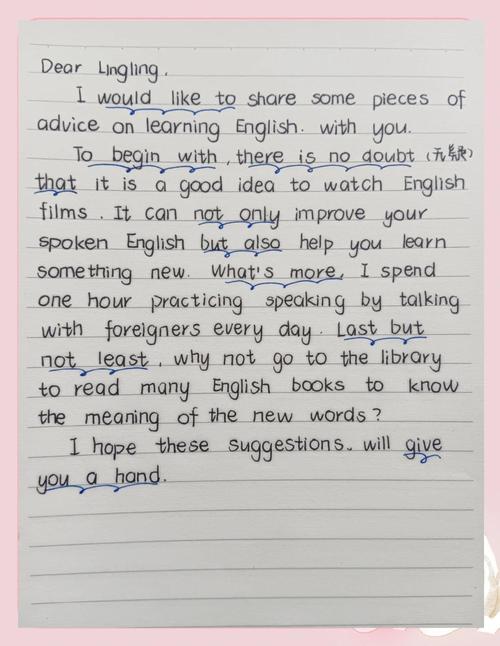
写作步骤与要点
审题与构思
动笔前,需仔细分析题目要求,明确主题、核心问题和写作目的(如论证观点、描述现象、提出建议等),若题目为“The Impact of Social Media on Teenagers”,需确定讨论方向是积极影响、消极影响,或两者兼顾,通过头脑风暴列出相关要点,如心理健康、社交模式、信息获取等,并筛选出最具代表性的2-3个分论点,避免内容过于分散。
搭建框架
标准的英语作文通常包括引言(Introduction)、主体(Body)和结论(Conclusion)三部分。
- 用背景信息引出主题,明确 thesis statement(核心观点)。“In the digital age, social media has become an integral part of teenagers' lives, but its pervasive influence raises both opportunities and concerns.”
- 主体:每段围绕一个分论点展开,采用“主题句+解释+例证”的结构,可使用表格对比不同观点,或引用数据、案例增强说服力,讨论“社交隔离”时,可引用研究数据:“A 2025 study by the Pew Research Center found that 58% of teenagers feel overwhelmed by social pressure online.”
- 总结分论点,重申核心观点,并提出展望或建议,避免引入新信息。
语言表达
- 简洁性:避免冗长句式,用简单直接的词汇传递核心信息,用“Social media can harm mental health”替代“Social media has the potential to exert a detrimental impact on the psychological well-being of individuals.”
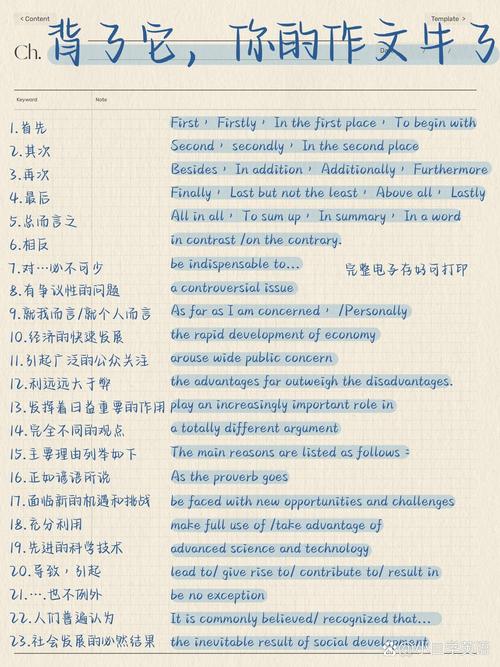
- 逻辑连接:使用过渡词(如However, Therefore, For instance)确保段落间衔接自然。
- 客观性:若讨论争议性话题,需平衡正反观点,避免主观臆断,在论述社交媒体的积极作用时,可提及“It facilitates global communication, helping teenagers connect with peers worldwide.”
范例:The Impact of Social Media on Teenagers
In contemporary society, social media platforms such as Instagram, TikTok, and Snapchat have profoundly reshaped the daily lives of teenagers. While these tools offer unprecedented opportunities for connection and learning, their excessive use has sparked debates about potential drawbacks. This essay explores both the positive and negative impacts of social media on teenagers, focusing on mental health, social development, and academic performance.
Positive Impacts
Social media enhances teenagers' social connectivity by breaking geographical barriers. Through instant messaging and video calls, teenagers can maintain relationships with friends and family across the globe, fostering a sense of belonging. For instance, a teenager studying abroad can share daily experiences with relatives via live streams, reducing feelings of isolation. Additionally, social media serves as a valuable educational resource. Platforms like YouTube and LinkedIn Learning offer free tutorials on diverse topics, from coding to photography, enabling teenagers to acquire new skills outside the classroom. A 2025 survey by Common Sense Media revealed that 68% of teenagers use social media to learn about subjects not covered in school.
Moreover, social media empowers teenagers to express their identities and engage in social activism. Hashtag movements such as #ClimateAction and #MentalHealthAwareness provide platforms for young people to voice their opinions and drive change. For example, Greta Thunberg’s climate campaign gained global traction largely through social media, inspiring millions of teenagers to participate in environmental advocacy.
Negative Impacts
Despite its benefits, excessive social media use can harm teenagers' mental health. The constant exposure to curated, idealized versions of others' lives often leads to feelings of inadequacy and anxiety. A study published in the Journal of Adolescent Health found that teenagers who spend more than seven hours daily on social media are 63% more likely to experience depression than those who use it for less than an hour. The pressure to gain likes and comments also contributes to low self-esteem, as teenagers may tie their self-worth to online validation.
Social media can also hinder face-to-face social skills. Over-reliance on digital communication reduces opportunities for in-person interactions, making teenagers less adept at interpreting non-verbal cues such as body language and tone of voice. This is particularly concerning for younger teenagers, whose social development is still in progress. Furthermore, the spread of misinformation and cyberbullying poses significant risks. False information about health, politics, or current events can easily go viral, misleading teenagers. Cyberbullying, which affects 37% of teenagers according to the National Bullying Prevention Center, can lead to severe psychological trauma, in extreme cases resulting in self-harm or suicide.
Balancing Use and Well-being
To mitigate the negative effects, parents, educators, and policymakers must collaborate to promote healthy social media habits. Parents can set screen time limits and encourage open conversations about online experiences. Schools should integrate digital literacy programs into their curricula, teaching teenagers to critically evaluate information online and practice responsible digital citizenship. Additionally, social media platforms themselves can implement features that promote well-being, such as usage trackers and content warnings for potentially harmful material.
In conclusion, social media is a double-edged sword for teenagers. While it enhances connectivity, education, and activism, its overuse can damage mental health, social skills, and access to accurate information. By fostering mindful usage and providing adequate support, society can harness the benefits of social media while minimizing its harms.
常见误区与避免方法
- 论点模糊:避免在引言中未明确核心观点,导致主体段落偏离主题,解决方法:在动笔前用一句话写出 thesis statement,并在写作中反复检查是否围绕其展开。
- 例证不足:仅陈述观点而无数据或案例支撑,削弱说服力,解决方法:提前搜集权威数据(如研究机构报告、调查结果)或具体事例(如名人案例、社会事件)。
FAQs
Q1: 如何在英语作文中有效使用表格来呈现对比信息?
A1: 表格适用于需要清晰对比两组或多组数据的场景,如优缺点、不同观点等,设计表格时,需确保标题简洁(如“Advantages vs. Disadvantages of Social Media”),列项明确(如“Aspect”“Impact”),并引用具体数据,在讨论社交媒体对学业的影响时,可创建表格对比“Increased access to educational resources”和“Reduced study time due to distractions”,并标注百分比或研究来源,表格应放在相关段落之后,作为视觉辅助,而非替代文字论述。
Q2: 如何避免英语作文中的语法错误和表达不地道?
A2: 写作时注意主谓一致、时态统一和冠词使用等基础语法规则;积累常用搭配和固定表达(如“exert influence”“curriculum vitae”),避免逐字翻译中文思维;完成初稿后,通过工具(如Grammarly)检查语法错误,并请母语者或老师审阅,重点修改生硬的句式,替换为更自然的表达(如将“very important”替换为“crucial”或“vital”)。