
英语口语在英语中通常被称为“spoken English”或“oral English”,spoken English”更侧重于日常对话和实际交流能力,而“oral English”则更偏向于正式场合的口头表达,如演讲、面试等,从语言学习的角度看,英语口语的核心在于“口头交流能力”(oral communication skills),即通过口头语言进行有效沟通的能力,这一能力不仅包括发音、词汇和语法等基础要素,还涵盖语调、节奏、非语言交流(如肢体语言)以及跨文化交际意识等多个维度。
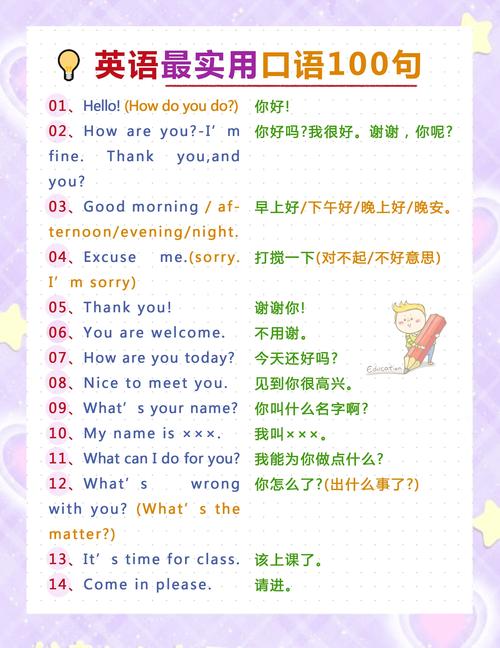
要深入理解“英语口语”的英文表达及其内涵,可以从以下几个方面展开分析:
核心术语的解析与使用场景
-
Spoken English
这是日常生活中最常用的表达,特指通过口头形式使用的英语,与“written English”(书面英语)相对。“I need to improve my spoken English before studying abroad.”(出国留学前,我需要提高英语口语水平。)该术语强调的是口语的实际应用,适用于日常对话、非正式交流等场景。 -
Oral English
这一表达更正式,常用于教育或专业领域,指系统的口头表达能力训练。“The course focuses on oral English proficiency for business communication.”(这门课程专注于商务沟通中的英语口语能力。)在学术语境中,“oral English”常与“written English”并列,作为语言能力的两大组成部分。 -
Verbal Communication
这是一个更广义的概念,指所有口头语言形式的交流,包括英语口语在内的任何语言。“Verbal communication skills are essential in teamwork.”(口头沟通能力在团队合作中至关重要。)该术语不局限于特定语言,强调沟通的“口头性”。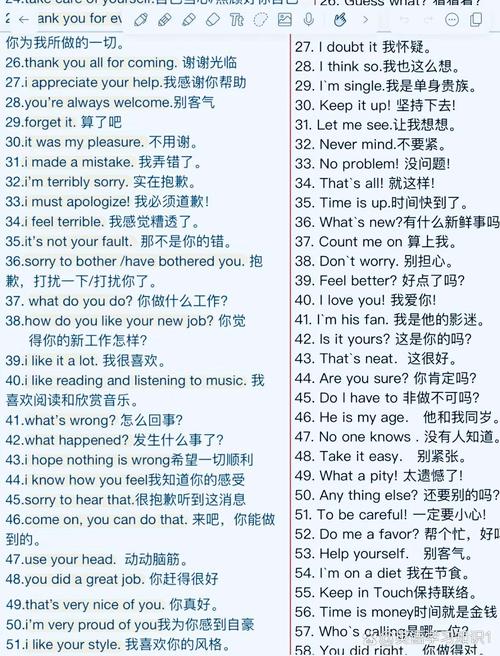 (图片来源网络,侵删)
英语口语能力的关键构成要素
英语口语能力并非单一技能,而是由多个要素综合作用的结果,以下是核心要素及其英文表达:
| 要素 | 英文表达 | 说明 |
|---|---|---|
| 发音(Pronunciation) | 包括音标(phonetics)、重音(stress)和连读(liaison)等,正确的发音是口语交流的基础,避免误解。 | “She has perfect pronunciation with clear stress on syllables.”(她的发音完美,音节重音清晰。) |
| 词汇(Vocabulary) | 日常词汇(daily vocabulary)、习语(idioms)和短语动词(phrasal verbs),词汇量需结合场景灵活运用,而非单纯追求数量。 | “Using colloquial expressions like ‘hit the books’ can make spoken English more natural.”(使用“hit the books”等口语化表达能让英语更自然。) |
| 语法(Grammar) | 时态(tenses)、语态(voices)和句子结构(sentence structure),口语中语法更注重“准确性”与“流利性”的平衡,而非书面语的严格规范。 | “In spoken English, ‘I have finished it’ is more common than ‘I have finished it already’ in casual talks.”(在日常对话中,“I have finished it”比“I have finished it already”更常用。) |
| 流利度(Fluency) | 指表达连贯、停顿自然,无需频繁思考翻译,流利度可通过大量练习和思维转换训练(如“用英语思考”)提升。 | “His fluency in spoken English impressed the interviewers.”(他流利的英语口语给面试官留下了深刻印象。) |
| 语调与节奏(Intonation & Rhythm) | 语调(intonation)指声音的高低起伏,节奏(rhythm)指语速和停顿,英语口语中,升调表疑问,降调表肯定,掌握语调能传递准确情感。 | “A rising intonation at the end of a sentence turns it into a question, e.g., ‘You’re coming?’”(句尾升调可将陈述句变为疑问句,You’re coming?”) |
| 非语言交流(Non-verbal Communication) | 包括肢体语言(body language)、面部表情(facial expressions)和眼神交流(eye contact)。“Nodding and maintaining eye contact show you’re engaged in the conversation.”(点头和保持眼神交流表明你在积极参与对话。) |
提升英语口语的实用方法
-
沉浸式环境(Immersion Environment)
创造英语口语的使用场景,如与外教对话、参加英语角(English Corner)或观看英文影视剧(模仿台词)。“Watching ‘Friends’ and repeating the dialogues helps with daily spoken English.”(观看《老友记》并模仿台词有助于提升日常英语口语。) -
刻意练习(Deliberate Practice)
针对薄弱环节(如发音或语法)进行专项训练。“Recording your voice and comparing it with native speakers can improve pronunciation.”(录制自己的声音并与母语者对比,有助于改善发音。) -
主题式积累(Topic-based Accumulation)
围绕高频话题(如旅行、工作、文化)积累相关词汇和表达。“For travel topics, learn phrases like ‘check-in’ ‘boarding pass’ and ‘itinerary’.”(针对旅行话题,学习“check-in”“boarding pass”“itinerary”等短语。)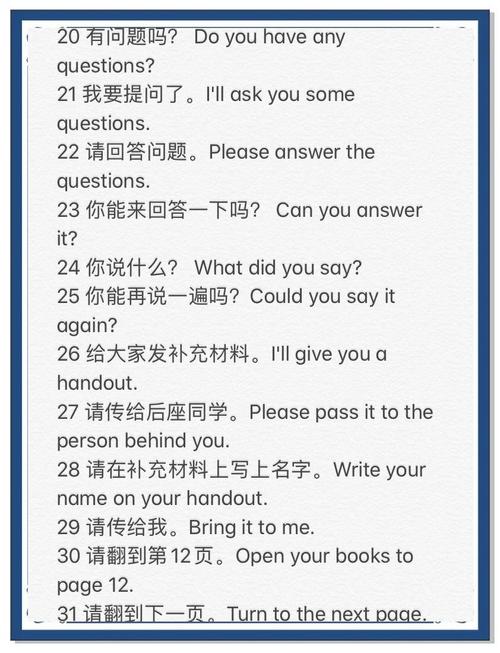 (图片来源网络,侵删)
 -
思维转换(Thinking in English)
避免中英互译,直接用英语思考。“Describe your day in English every morning to train associative thinking.”(每天早上用英语描述一天的活动,训练联想思维。)
常见误区与注意事项
-
过度追求“完美发音”
口语交流中,清晰度比“标准口音”(如美音或英音)更重要。“A strong accent with clear communication is better than a ‘perfect’ accent with poor expression.”(口音较重但表达清晰,比“完美口音”但表达差更好。) -
忽视“文化差异”
英语口语中,文化背景影响表达方式。“In Western cultures, direct refusal (e.g., ‘No, I can’t’) is common, while in some Asian cultures, indirect expressions (e.g., ‘I’ll try’) are preferred.”(在西方文化中,直接拒绝(如“No, I can’t”)很常见,而部分亚洲文化倾向于间接表达(如“I’ll try”)。)
相关问答FAQs
Q1: “英语口语流利”用英语怎么说?
A: “英语口语流利”可以用“fluent in spoken English”或“proficient in oral English”表达。“He is fluent in spoken English after studying abroad for two years.”(他在出国留学两年后英语口语变得流利。)
Q2: 如何区分“spoken English”和“oral English”的使用场景?
A: “Spoken English”侧重日常口语交流,适用于非正式场合(如聊天、购物);“oral English”更正式,多用于教育、专业或测试场景(如英语口语考试、商务演讲)。“The test has two parts: written English and oral English.”(考试分为两部分:英语书面语和英语口语。)