托福听力作文是综合写作任务的重要组成部分,要求考生先阅读一篇学术短文,再听一段相关讲座,最后结合两者内容撰写一篇总结性作文,这类作文的核心在于准确概括阅读和听力的核心观点,并清晰呈现二者之间的逻辑关系(如反驳、补充或深化),以下从结构模板、内容填充技巧、语言表达规范及注意事项四个方面展开详细说明,帮助考生高效构建高分作文。
结构模板:三段式框架与各段功能
托福听力作文通常采用“总-分-总”三段式结构,每段分工明确,逻辑清晰,建议考生在考试前通过反复练习固定框架,确保考场上能快速组织内容。
第一段:引入段(约80-100字)
功能:简述阅读文章主题,概括讲座核心观点,点明二者关系(如反驳、补充)。
模板句:
- The reading passage discusses [阅读主题,如:the causes of the decline of the Mayan civilization], proposing three main theories: [简要列举阅读分论点,如:environmental degradation, warfare, and trade disruption].
- However, the professor in the lecture challenges these points by arguing that [讲座核心观点,如:the primary reason was a series of severe droughts].
- Specifically, the lecture refutes each of the reading's claims with evidence and alternative explanations.
注意事项:避免细节堆砌,用1-2句话概括阅读和听力的核心对立或补充关系,无需展开具体论据。
第二段:主体段(约300-350字)
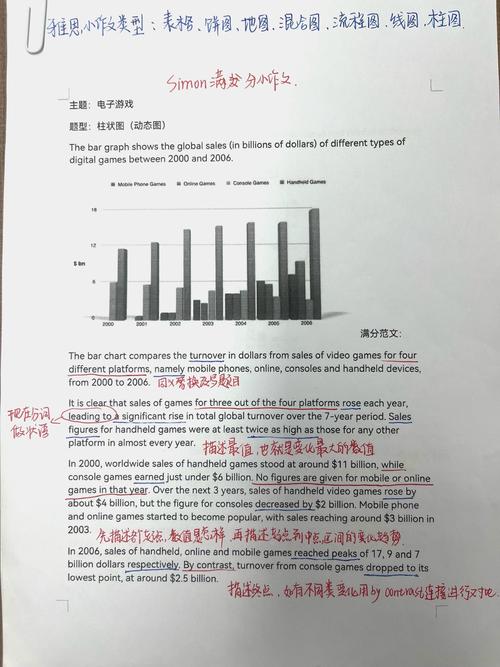
功能:分点对比阅读和听力的观点,每段聚焦一个分论点,先写阅读观点,再写听力反驳或补充,最后用听力论据推翻或修正阅读观点,建议采用“3×3”结构(3个分论点×每论点3句话),确保逻辑紧凑。
模板框架与示例(以“玛雅文明衰落原因为例”):
| 分论点方向 | 阅读观点(简要) | 听力反驳/补充(核心论据+细节) |
|------------|------------------|------------------------------|
| 第一点 | Environmental degradation (soil exhaustion) | 教授指出:地质样本显示土壤肥力充足,且古代农业技术(如梯田)可应对土壤问题;真正原因是干旱导致农业崩溃。 |
| 第二点 | Warfare (constant conflicts between city-states) | 教授反驳:考古发现战争痕迹集中在衰落前,且武器多为仪式性而非杀伤性;干旱引发的资源争夺才是战争主因。 |
| 第三点 | Trade disruption (loss of trade routes) | 教授补充:贸易路线中断是结果而非原因;干旱导致粮食减产,为维持贸易被迫出口粮食,进一步加剧饥荒。 |
写作技巧:
- 每个分论点用“First/Second/Third”或“Additionally/Moreover”连接,避免重复。
- 听力论据需具体,如“教授提到碳14测年显示,干旱发生在公元800-900年,与文明衰落时间高度吻合”。
- 多用对比逻辑词:while/whereas(对比)、on the other hand(转折)、in contrast(反差)。
第三段:总结段(约80-100字)
功能:重申讲座对阅读观点的修正或补充,强调听力论据的权威性,升华结论。
模板句:
- In conclusion, while the reading passage attributes the decline of the Mayan civilization to [重申阅读核心观点], the lecture provides compelling evidence that [重申听力核心观点, such as prolonged droughts].
- The professor's analysis, supported by [提及听力证据类型, like geological data and archaeological findings], effectively challenges the theories presented in the reading.
- Therefore, it is more reasonable to conclude that [总结最终结论, such as environmental factors, rather than human activities, were the primary drivers of the civilization's collapse].
注意事项:避免引入新论据,只需概括前文逻辑关系,用“compelling/effective/persuasive”等词评价听力论据的可靠性。
内容填充技巧:高效抓取与整合信息
阅读与听力笔记策略
- 阅读笔记:快速定位3个分论点及关键词(如理论名称、人名、数据),用符号标注(如“●环境理论:土壤流失”)。
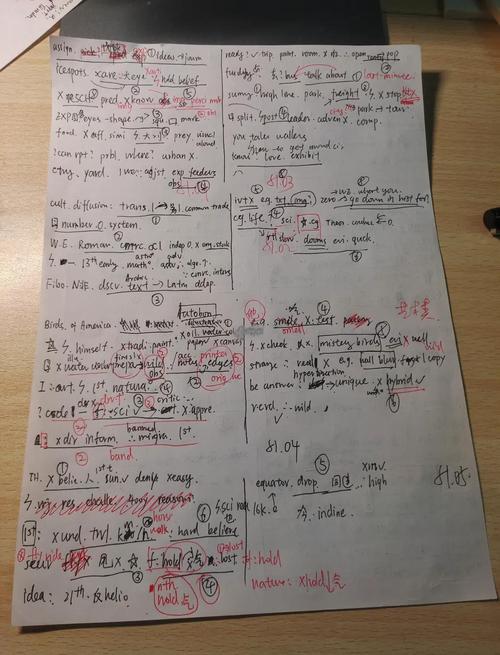
- 听力笔记:重点关注教授对每个阅读分论点的态度(同意/反对/部分同意),记录反驳关键词(如“actually/in fact/that's not accurate”)和核心论据(例子、数据、对比)。
逻辑关系判断
托福听力与阅读的常见关系为“反驳”,少数为“补充”或“深化”,判断标准:
- 反驳:教授直接否定阅读观点,如“The reading's theory is flawed because...”
- 补充:教授承认阅读部分正确,但增加新维度,如“While the reading mentions A, the lecture adds that B is also crucial.”
- 深化:教授提供更深层原因,如“The reading attributes X to Y, but the lecture explains Y was caused by Z.”
论据转述与简化
- 避免直接引用原文,将“教授说根据一项研究”转述为“the professor cites a study indicating that...”。
- 复杂数据简化:如“85%的样本显示”可写为“the majority of samples”。
语言表达规范:学术性与准确性
句式多样化
- 简单句与复杂句结合:
- 简单句:The lecture refutes the reading's first point.
- 复杂句:Contrary to the reading's claim that soil exhaustion led to the Mayan decline, the professor argues that geological evidence demonstrates the soil remained fertile.
- 被动语态使用(强调客观性):It is suggested by the professor that droughts were the main cause.
词汇学术化
- 替换口语化词汇:
- “说” → argue/claim/state/maintain
- “证明” → demonstrate/illustrate/support/verify
- “原因” → factor/catalyst/driver
避免语法错误
- 主谓一致:The professor, along with several researchers, believes that...
- 时态统一:描述阅读和听力内容用一般现在时,如“the passage states... the professor explains...”。
注意事项:高分关键细节
- 时间分配:阅读和听力共7分钟,建议阅读3分钟(记笔记)、听力2分钟(记笔记)、写作20分钟(结构规划+写作+检查)。
- 字数控制:全文约300-400词,避免超过500词(易冗余)或低于250词(论据不充分)。
- 立场中立:不表达个人观点,仅客观呈现“阅读vs听力”的逻辑关系。
- 检查重点:拼写错误(如“drought”非“drougt”)、逻辑连接词连贯性、听力论据是否覆盖所有阅读分论点。
相关问答FAQs
Q1: 如果听力讲座只反驳了阅读的两个分论点,第三个没提到,作文该怎么写?
A: 若听力未提及某个阅读分论点,需在主体段中明确说明。“While the reading presents a third theory about trade disruption, the lecture does not address this point directly. However, based on the evidence provided for the first two arguments, it is reasonable to infer that the professor might also challenge the trade theory, as the primary cause of decline was identified as environmental factors.” 这样既忠实于材料,又保持逻辑完整。
Q2: 如何在作文中体现听力论据的“权威性”?
A: 通过细节暗示论据来源的可靠性。
- “The professor cites a 2025 study published in Nature Geoscience, which analyzed tree-ring data and revealed a 50% decrease in rainfall during the critical period.”
- “Archaeological excavations uncovered ancient reservoirs that were abandoned due to prolonged droughts, contradicting the reading's assertion of soil degradation.”
提及具体研究、数据或考古发现,能增强说服力,避免笼统表述如“scientists say”。