In the midst of the global COVID-19 pandemic, the act of writing letters has taken on a renewed significance, serving as a powerful medium to express emotions, share experiences, and maintain connections when physical interactions were limited. English letters, in particular, have become a bridge across borders, allowing individuals to document their journeys, offer support, and reflect on the collective challenges faced during these unprecedented times.
For many, the first COVID-19 letter was one of uncertainty and concern. Students, separated from classmates and teachers, wrote to peers expressing nostalgia for school hallways and the laughter of shared lunches. One such letter, from a high school student in London to a friend in New York, began, “The streets outside my window are eerily quiet now. I miss our rushed conversations between classes and the way we’d complain about math homework together. How are you holding up on the other side of the ocean?” This simple exchange captured the universal longing for normalcy and the comfort of human connection. Healthcare workers, too, turned to letter-writing to cope with the overwhelming demands of their roles. A nurse from Milan wrote to her sister, detailing long shifts in overwhelmed hospitals, the weight of personal protective equipment, and the small acts of kindness that kept her going—like a patient’s weak smile or a colleague’s handwritten note of encouragement. These letters became a form of therapy, transforming raw emotions into tangible words that offered solace both to the writer and the reader.
As the pandemic persisted, letters evolved to include messages of resilience and hope. Communities organized letter drives to send words of support to elderly residents in care homes, who were isolated from their families. Volunteers, young and old, penned cheerful notes, sharing stories of their pets, favorite books, and the beauty of spring blooming outside their windows. A child’s letter to a nursing home resident in Toronto read, “My sunflower grew taller than me! I named it ‘Mr. Sunshine’ because I hope it brings you as much joy as you bring to everyone around you.” Such letters reminded recipients that they were not forgotten, fostering a sense of belonging in a time of profound loneliness.
Teachers also utilized letter-writing as a tool to nurture students’ emotional well-being during remote learning. An elementary school teacher in Sydney encouraged her students to write “gratitude letters” to frontline workers, thanking doctors, delivery drivers, and grocery store staff. One student wrote, “Dear Trash Collector, You make sure our streets are clean even when it’s raining. You’re a hero because you help keep us safe.” These exercises not only improved language skills but also instilled empathy and a sense of social responsibility in young minds.
Beyond personal connections, COVID-19 letters have served as historical documents, preserving the collective memory of a generation. A librarian in Tokyo launched a “Pandemic Letters” project, inviting people from around the world to submit their experiences. The collection includes letters from a student in India adapting to online learning, a small business owner in Brazil grappling with economic uncertainty, and a researcher in Germany racing to develop a vaccine. These firsthand accounts offer invaluable insights into the diverse impacts of the pandemic, capturing moments of fear, innovation, and solidarity that might otherwise be lost to time.
In English, COVID-19 letters often blend formal structure with heartfelt vulnerability, reflecting the unique tone of the era—somber yet hopeful, cautious yet determined. They use vivid imagery to convey emotions: comparing lockdowns to “standing still on a moving train” or describing video calls as “windows into loved ones’ lives.” Phrases like “we’re all in this together” and “better days are coming” recur as mantras of resilience, transcending cultural and linguistic barriers.
Ultimately, COVID-19 letters in English are more than just pieces of paper; they are testaments to the enduring power of communication. In a world disrupted by distance and fear, they remind us that even a few carefully chosen words can mend spirits, strengthen bonds, and illuminate the path forward. As one letter from a retiree in Australia to her grandson concluded, “This storm will pass, my dear. And when it does, we’ll look back at these letters and remember not just the hardships, but the love that carried us through.”
FAQs
-
How can I structure a COVID-19 letter effectively?
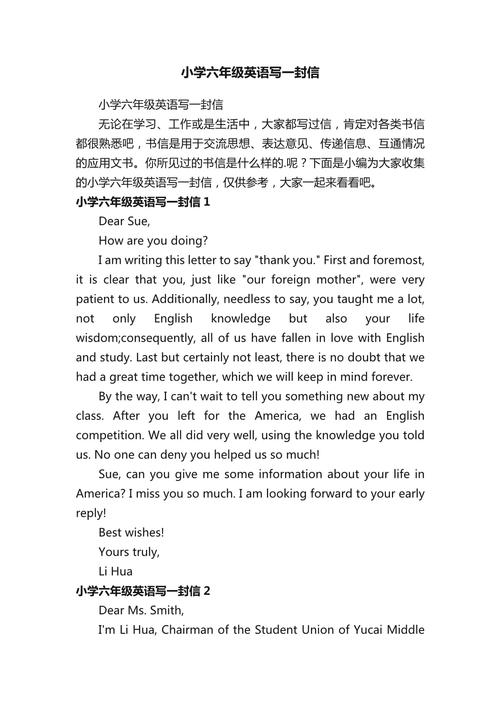
Start with a warm greeting, such as “Dear [Name],” or “To my dear friend.” Begin the body by setting the context—e.g., “It’s been months since we last met in person, and I often find myself thinking about our conversations at…” Share specific anecdotes or emotions to make the letter personal, and include a message of hope or gratitude to uplift the reader. End with a closing like “With love,” or “Wishing you strength,” followed by your name. Keep the tone sincere and conversational, avoiding overly formal language unless the situation calls for it.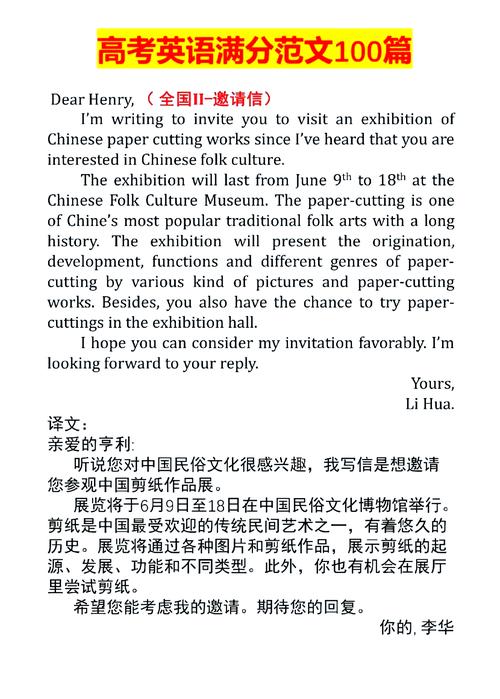 (图片来源网络,侵删)
 -
What are some common themes to include in a COVID-19 letter?
Common themes include reflections on daily life during the pandemic (e.g., remote work, homeschooling), expressions of gratitude for frontline workers or loved ones, personal growth or challenges faced, and hopes for the future. You might also share small joys that emerged during difficult times, like learning a new skill or rekindling old hobbies. Including questions about the recipient’s well-being can foster a sense of connection, making the letter more engaging and supportive.