在雅思口语考试中,描述地方的题目是高频话题,这类题目不仅考察考生的词汇量和语法运用能力,更注重逻辑连贯性、细节丰富度以及个人感受的表达,无论是描述家乡、旅游景点、理想居住地,还是某个有特殊意义的场所,都需要构建清晰的框架,融入具体细节,并展现个人视角,以下将从结构搭建、词汇运用、句式变化、实例示范等方面展开详细解析,帮助考生掌握此类题目的答题技巧。
描述地方的答题结构与逻辑框架
雅思口语描述地方的题目通常要求“where it is, what it looks like, what you do there, how you feel about it”等核心信息,合理的结构能让描述更清晰、有条理,建议采用“总-分-总”框架,具体可分为以下四个部分:
开篇定位:明确地点与基本信息
开头需快速点明描述的对象,包括地点名称、位置(国家/城市/区域)、类型(公园/咖啡馆/图书馆等),以及首次到访的背景或总体印象。“I’d like to talk about a café called ‘The Book Nook’ in my neighborhood, which is a cozy spot tucked away on a quiet side street near the university.”
主体细节:分层展开描述
主体部分是答题的核心,需从多个维度丰富细节,避免笼统,建议从以下2-3个角度展开:
- 外观与环境:描述建筑风格、色彩、布局、周围环境(如绿植、街道氛围)、内部装饰(家具、灯光、装饰品)等。“The café has a rustic vibe with exposed brick walls, wooden tables, and shelves stacked with secondhand books. Large windows let in plenty of natural light, and there’s a small indoor garden in the corner with potted herbs.”
- 功能与活动:说明该地方的主要用途(如喝咖啡、学习、聚会),以及人们常进行的活动(如阅读、举办小型展览、品尝特色饮品)。“Most customers come here to study or read, but it’s also popular for casual meetings. They often hold poetry readings on Friday evenings, and the barista makes a signature lavender latte that’s a must-try.”
- 个人经历与感受:结合具体事例(如和朋友的一次约会、独自备考的时光),描述在该地方的难忘经历或情感联结(如放松、治愈、亲切)。“I spent almost every weekend here during my final year of college. The soft background music and the smell of freshly ground coffee helped me stay focused, and the owner would remember my order, which made me feel like part of the community.”
结尾总结:升华主题或表达情感
结尾需回应开头的总体印象,强调该地方的独特之处或对自己的意义,可适当升华主题(如象征某种生活态度、承载回忆等)。“To me, The Book Nook isn’t just a café—it’s a sanctuary where time slows down, and it’s the place that taught me to find joy in simple, quiet moments.”
核心词汇与表达积累
丰富的词汇能让描述更生动具体,以下分类整理了描述不同维度的实用词汇及短语:
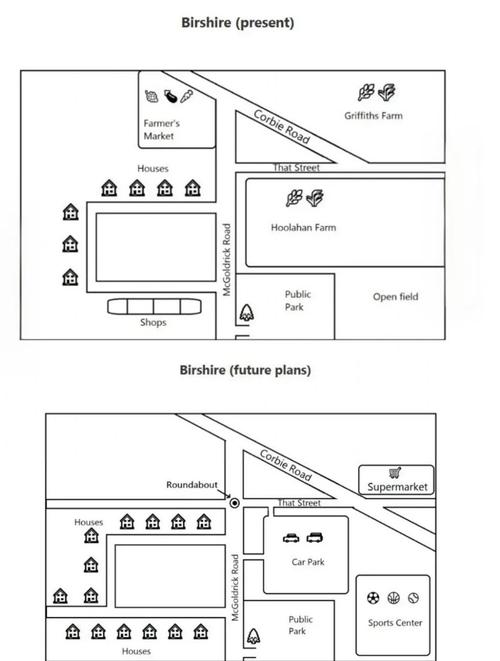
地点类型
- 自然景观:park(公园)、beach(海滩)、forest(森林)、mountain(山脉)、lake(湖泊)
- 人文建筑:museum(博物馆)、library(图书馆)、café(咖啡馆)、restaurant(餐厅)、theater(剧院)、gallery(美术馆)
- 居住/生活区:hometown(家乡)、neighborhood(社区)、apartment(公寓)、villa(别墅)、campus(校园)
位置与环境
- 位置:located in/near/behind...(位于...附近)、situated on...(坐落于...)、nestled in...( nestled in: 隐藏在...)、in the heart of...(在...中心)
- 环境氛围:bustling(热闹的)、quiet/serene(安静的)、picturesque(风景如画的)、cozy(舒适的)、rustic(乡村风格的)、modern(现代的)、charming(迷人的)
- 细节描述:lush greenery(葱郁的植被)、winding paths(蜿蜒的小路)、bustling streets(熙熙攘攘的街道)、panoramic views(全景)、fragrant flowers(芬芳的花朵)
感官与体验
- 视觉:colorful murals(色彩鲜艳的壁画)、dim lighting(昏暗的灯光)、crisp white tablecloths(洁白的桌布)、vibrant atmosphere(充满活力的氛围)
- 听觉:soft background music(轻柔的背景音乐)、laughter of children(孩子们的笑声)、crunch of leaves(踩碎落叶的声音)、live performances(现场表演)
- 嗅觉/味觉:the aroma of freshly baked bread(新鲜出炉面包的香气)、rich coffee(浓郁咖啡)、sweet desserts(甜点)、spicy flavors(辛辣口味)
- 触觉:smooth wooden tables(光滑的木桌)、plush sofas(舒适的沙发)、cool breeze(凉爽的微风)、rough stone walls(粗糙的石墙)
情感与评价
- 积极情感:peaceful(平静的)、relaxing(放松的)、inspiring(鼓舞人心的)、heartwarming(温暖的)、nostalgic(怀旧的)
- 消极情感:crowded(拥挤的)、noisy(嘈杂的)、dull(乏味的)、run-down(破旧的)、uncomfortable(不舒服的)
- 评价:a hidden gem(隐藏的宝藏)、my go-to place(我的常去之处)、full of character(充满特色)、well worth a visit(非常值得一游)
句式变化与语法提升
单一重复的句式会让描述显得单调,需灵活运用不同句式结构,展现语言能力,以下是推荐使用的句式类型及示例:
复合句:增强逻辑连贯性
- 定语从句:用于补充说明地点、事物或人。“The café, which was founded by a retired literature professor, has a collection of over 5,000 rare books.”
- 状语从句:描述时间、原因、条件等背景。“Whenever I feel stressed, I go to the park near my house because the fresh air and chirping birds help me relax.”
- 并列句:连接两个相关但独立的信息。“The library is huge, and it has both quiet study zones and collaborative areas for group work.”
非谓语动词:简化句子结构
- 现在分词短语:表示主动或伴随状态。“Walking along the beach, I could see the sunset painting the sky in shades of pink and orange.”
- 过去分词短语:表示被动或完成状态。“Built in the 1920s, the old theater still retains its elegant architecture and original velvet seats.”
倒装句/强调句:突出重点信息
- 倒装句:“Not only does the café offer great coffee, but it also serves homemade cakes that are to die for.”
- 强调句(It is/was...that/who...):“It was this small bookstore that helped me discover my love for poetry during my teenage years.”
虚拟语气:表达假设或遗憾
“If I had more time, I would spend the whole afternoon exploring the art gallery instead of just rushing through it.”
实例示范:描述“家乡的公园”
以下以“家乡的公园”为例,结合上述结构、词汇和句式,进行完整示范:
“I’d like to describe Green Lake Park, which is my favorite place in my hometown. It’s located in the center of the city, just a 10-minute walk from my old home, and it’s been a part of my life since I was a child.
What I love most about Green Lake Park is its perfect blend of nature and human design. The park covers an area of about 50 hectares, with a crystal-clear lake stretching across the middle. On the lake, you can always see people rowing colorful boats or feeding the ducks that swim lazily in the water. Surrounding the lake is a path paved with small pebbles, which is popular among morning joggers and elderly people doing tai chi. The park is also home to a variety of plants: in spring, cherry blossoms along the entrance path bloom into a sea of pink, making it a popular spot for photos; in summer, the tall trees provide plenty of shade, so it’s a great escape from the heat.
Beyond the natural scenery, the park has some man-made attractions that add to its charm. For example, there’s a small wooden bridge in the northwest corner that offers a panoramic view of the entire lake, and a children’s playground with a bright red slide and a swing set that I used to love as a kid. Every weekend, the park comes alive with activity: families having picnics on the grass, friends playing frisbee, and sometimes even street performers setting up near the main gate to play music or do magic shows. I still remember one summer evening when I went to the park with my best friend—we sat on the bench by the lake, sharing ice cream and talking about our dreams until the stars came out. It felt like time stood still.
To me, Green Lake Park isn’t just a public space; it’s a symbol of my hometown’s warmth and vitality. It’s where I spent my childhood, made my first friends, and learned to appreciate the beauty of nature. No matter how much the city changes, this park will always hold a special place in my heart.”
相关问答FAQs
Q1: 描述地方时,如果我不熟悉题目中的地点(如“一个理想的度假胜地”),该如何展开?
A1: 若遇到不熟悉的地点,可通过“想象+通用细节”构建内容,描述“理想度假胜地”时,可设定为“海边小镇”,并聚焦于自然景观(白色沙滩、蓝色海水)、活动(潜水、海鲜晚餐)、氛围(放松、远离喧嚣)等通用元素,避免编造不熟悉的具体信息(如地名、历史),而是用“a quiet coastal town with crystal-clear water”等模糊但合理的表达,确保逻辑连贯,结合个人偏好(如喜欢安静或热闹),让描述更具真实感。
Q2: 如何在描述地方时避免内容重复,保持细节丰富?
A2: 可通过“多维度切入+具体事例”避免重复,描述咖啡馆时,不仅写“环境很美”,还可拆解为视觉(复古装饰、绿植)、听觉(爵士乐、咖啡机声音)、嗅觉(咖啡香、烤面包味)、味觉(特色饮品口感)等感官细节;同时加入具体事例,如“有一次我在这里偶遇大学同学,我们一起聊到咖啡馆打烊”,通过故事性内容让描述更生动,使用“连接词+递进信息”(如“Besides...”“What’s more...”)引导不同角度的细节,确保内容层层深入。