有创意的人常常能在雅思口语考试中脱颖而出,他们的思维方式、表达方式和语言运用都展现出独特的个性与深度,在雅思口语中,考官不仅考察考生的语言能力,更关注其逻辑思维、文化理解和情感共鸣能力,而有创意的人恰恰能在这些方面展现出优势,通过新颖的视角、生动的描述和灵活的应变,让口语表达更具感染力和说服力。
有创意的人擅长打破常规思维,用独特的角度解读话题,雅思口语 Part 1 的问题看似简单,如“Do you like reading?”“What’s your favorite season?”,但平庸的回答往往只停留在“Yes, I do.”“I like summer because it’s hot.”的层面,而有创意的人会延伸话题,例如在回答阅读偏好时,可能会说:“Actually, I’m more into sci-fi novels, especially those that explore parallel universes. It’s fascinating how authors can imagine worlds where time flows backward—makes me question the nature of reality.” 这样的回答不仅展示了词汇量(如“sci-fi”“parallel universes”“nature of reality”),还通过具体细节和个人思考让内容更丰富,在 Part 2 的个人陈述题中,如“Describe a time you solved a problem”,有创意的人不会简单描述“我丢了钥匙然后找到备用钥匙”,而是会构建故事情节:“Once I locked myself out of my apartment during a heavy rainstorm. Instead of panicking, I remembered I had left a window slightly open a week earlier. With a little help from my neighbor’s ladder and some creative balancing acts, I managed to climb in—though I did almost drop my phone into the puddle below!” 这样的回答加入了环境细节(heavy rainstorm)、心理活动(panicking)和幽默元素(almost drop my phone),让故事生动有趣。
有创意的人注重语言的生动性和画面感,善用比喻、拟人等修辞手法,在描述地点或经历时,他们不会只说“The park is beautiful”,而是会具体描绘:“The park in my neighborhood is like a hidden oasis—ancient trees whisper secrets to each other, their leaves dancing in the breeze, and the pond reflects the sky like a shattered mirror, with ducks gliding across it as if painting abstract art.” 这样的表达不仅运用了高级词汇(“oasis”“whisper”“abstract art”),还通过感官描写(视觉、听觉)让考官仿佛身临其境,在 Part 3 的抽象话题讨论中,如“Do you think technology makes people more creative?”,有创意的人会避免绝对化的回答,而是辩证分析:“Technology can be a double-edged sword for creativity. On one hand, tools like AI art generators allow people to visualize ideas that were once impossible to sketch by hand—like a dragon with butterfly wings or a city floating in the clouds. On the other hand, over-reliance on templates might make some artists lazy, losing the ‘human touch’ that comes from hand-drawn imperfections.” 这种回答结构清晰(双面论证),例子具体(AI生成艺术),且加入了个人见解(“human touch”),展现了思维的深度。
有创意的人善于将个人经历与文化、社会现象结合,展现更广阔的视野,在讨论“传统节日”时,他们可能会说:“My favorite festival is the Dragon Boat Festival. Beyond eating zongzi and racing boats, I love how it connects modern life to ancient history—my grandmother always tells me the story of Qu Yuan, and it’s fascinating to think people have been commemorating his loyalty for over 2,000 years. Last year, I even joined an online event where people worldwide shared their zongzi recipes, blending tradition with globalization.” 这样的回答不仅涵盖了传统习俗,还融入了家庭故事(grandmother)和现代元素(online event),体现了文化传承与时代发展的结合,在讨论“环保”话题时,有创意的人可能会提出新颖的解决方案:“Instead of just saying ‘reduce, reuse, recycle’, I think cities could turn old subway cars into community libraries or mobile classrooms—imagine reading a book in a train that’s now parked in a park, with windows still showing tracks but now filled with bookshelves!” 这种想法既有创新性,又符合逻辑,展现了将抽象概念转化为具体行动的能力。
为了更直观地展示有创意的人在雅思口语中的表现,以下通过表格对比普通回答与创意回答的差异:
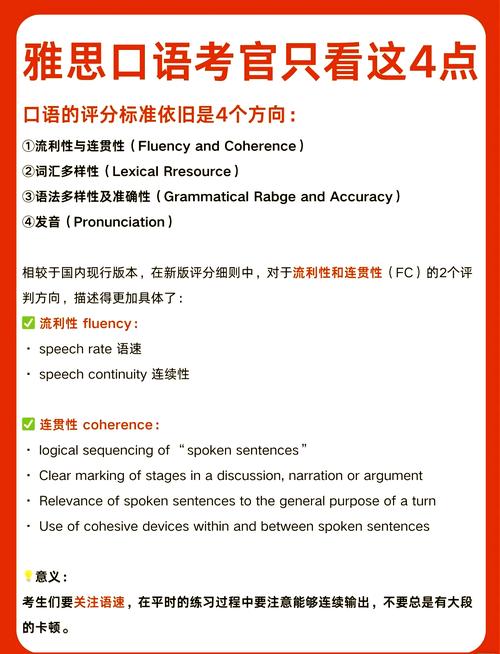
| 话题 | 普通回答 | 创意回答 |
|---|---|---|
| 描述喜欢的季节 | “I like spring because the weather is warm and flowers bloom.” | “Spring is like nature’s reboot—after the gray monotony of winter, suddenly everything bursts into color. I love how cherry blossoms look like they’re snowing petals, and how the air smells like wet earth and fresh grass. It’s the season I feel most alive, as if the world is waking up just like I am.” |
| 讨论是否应该禁止塑料 | “Yes, we should ban plastic because it pollutes the environment.” | “While banning plastic seems logical, I think we need to consider practicality. Instead of an outright ban, maybe we could tax single-use plastics heavily and use the funds to develop biodegradable alternatives—like edible water pods I saw in a video, which disappear in 24 hours! It’s about balancing urgency with innovation.” |
| 描述一次成功的经历 | “I succeeded in winning a speech contest. I practiced hard and felt happy.” | “Winning the speech contest was a game-changer because I learned to embrace failure. My first attempt was a disaster—I forgot my lines and froze for 30 seconds. But instead of quitting, I turned that awkward silence into a joke: ‘Guess my brain needed a coffee break!’ The audience laughed, and that gave me the confidence to finish. Success isn’t about being perfect; it’s about turning stumbles into strengths.” |
有创意的人在雅思口语中还展现出强大的应变能力,当遇到不熟悉的话题时,他们不会慌张,而是会运用联想和类比,将陌生话题与已知经验联系起来,被问到“Do you think space exploration is worth the cost?”时,如果考生对太空知识了解有限,可以这样说:“I’m not an expert on space, but I think exploration is part of human nature—just like our ancestors crossed oceans and climbed mountains, we’re now reaching for the stars. Even if we don’t find aliens tomorrow, the technology developed for space travel, like GPS or medical scanners, already benefits our daily lives. So maybe the ‘cost’ is really an investment in the future.” 这样的回答承认知识局限,但通过类比(祖先探索)和举例(GPS、医疗扫描)展开论述,展现了灵活的思维。
有创意的人注重情感的真实表达,让语言更有温度,雅思口语不仅是语言测试,也是交流能力的体现,有创意的人会在回答中融入个人情感,让考官感受到真诚,在描述“对你影响深远的人”时,他们可能会说:“My grandfather didn’t teach me grand lessons, but his small actions shaped me. Every morning, he’d feed the stray cats in our alley, even when he had little money himself. He said, ‘Kindness isn’t about what you have, but what you give.’ Now, I volunteer at an animal shelter—not because I want to be a hero, but because I want to carry his quiet legacy forward.” 这样的回答没有华丽的辞藻,但通过具体的小事(喂流浪猫)和朴实的话语(“Kindness isn’t about what you have...”)传递了深刻的情感,更容易引起考官的共鸣。
相关问答FAQs
Q1: 如何在雅思口语中展现创意而不偏离话题?
A1: 展现创意的前提是紧扣题目要求,仔细分析问题中的关键词(如“Describe a...”“Do you think...”),确保回答的核心内容符合问题方向,在基础内容上添加细节、个人见解或创新角度,但避免引入无关信息,如果题目要求“Describe a book you like”,可以先介绍书的基本信息(类型、作者、主题),再延伸阅读时的感受、书中的某个情节如何启发自己,甚至将书与现实生活联系(如“这本书让我重新看待失败,就像主角一样,把挫折当作成长的礼物”),创意是“锦上添花”,而非“喧宾夺主”,始终确保回答逻辑清晰、重点突出。
Q2: 非英语母语者如何在雅思口语中提高创意表达能力?
A2: 非英语母语者可以通过以下方式提升创意表达:一是积累地道词汇和句型,尤其是描述性词汇(如“vibrant”“serene”“captivating”)和连接词(如“moreover”“however”“as a result”),避免因语言限制导致表达单一;二是多输入优质内容,如英文播客(如“TED Talks Daily”)、英文电影(注意台词和对话逻辑)和英文文章(如《The New York York》的专栏),学习他人的思维方式和表达技巧;三是刻意练习“发散思维”,例如针对日常话题(如“weather”“food”),尝试用不同角度描述(从感官、情感、文化意义等),并录音回听,优化表达;四是模拟口语考试,计时回答并录音,之后反思内容是否新颖、逻辑是否连贯,逐步培养创意表达的自信和能力。