Chinese Food: A Culinary Journey Through Flavors and Traditions
Chinese food is more than just a meal; it’s a reflection of China’s rich history, diverse geography, and deep cultural values. With a history spanning thousands of years, Chinese cuisine has evolved into a vibrant tapestry of flavors, techniques, and regional specialties. From the fiery spices of Sichuan to the delicate dim sum of Cantonese cuisine, every dish tells a story. Let’s explore the fascinating world of Chinese food, its key characteristics, regional diversity, and cultural significance.
The Essence of Chinese Cuisine
At the heart of Chinese cooking is the balance of flavors, textures, and colors. Traditional Chinese meals often emphasize the concept of fancai (饭菜), which combines staple foods like rice or noodles with various dishes. The "five flavors" (甜 sour, bitter, spicy, and salty) are carefully balanced to create harmonious and complex tastes. Additionally, Chinese cuisine places great importance on the yin and yang principle, ensuring that dishes are neither too greasy nor too bland, and that ingredients are chosen for their nutritional and medicinal properties.
Cooking techniques in Chinese cuisine are equally diverse, including stir-frying, steaming, braising, and boiling. Each method brings out unique textures and flavors. For example, stir-frying preserves the crispness of vegetables, while steaming retains the natural freshness of ingredients like fish or dumplings.
Regional Diversity: Eight Culinary Traditions
China’s vast geography has given rise to distinct regional cuisines, often referred to as the "Eight Great Cuisines." These vary significantly in ingredients, flavors, and cooking styles. Below is a table summarizing the key characteristics of each:
| Cuisine | Region | Key Characteristics | Signature Dishes |
|---|---|---|---|
| Sichuan | Southwest China | Bold, spicy flavors; use of Sichuan peppercorns and chili | Mapo Tofu, Kung Pao Chicken |
| Cantonese | Guangdong | Light, fresh flavors; emphasis on seafood and steaming | Dim Sum, Roast Duck, Sweet and Sour Pork |
| Shandong | East China | Salty, crispy dishes; seafood-focused | Braised Abalone, Dezhou Braised Chicken |
| Jiangsu | East China | Refined, delicate presentation; soups and braised dishes | Lion’s Head Meatballs, Yangzhou Fried Rice |
| Zhejiang | East China | Mild, fresh flavors; emphasis on seasonal ingredients | Dongpo Pork, West Lake Fish in Vinegar Gravy |
| Hunan | Central China | Hot and sour; similar to Sichuan but less numbing | Steamed Fish Head with Chopped Chili |
| Anhui | East China | Wild herbs and game; slow-cooked stews | Stewed Turtle with Ham, Braised Pork Belly |
| Fujian | Southeast China | Umami-rich broths; seafood and soup-based dishes | Buddha Jumps Over the Wall, Oyster Omelette |
Cultural Significance of Chinese Food
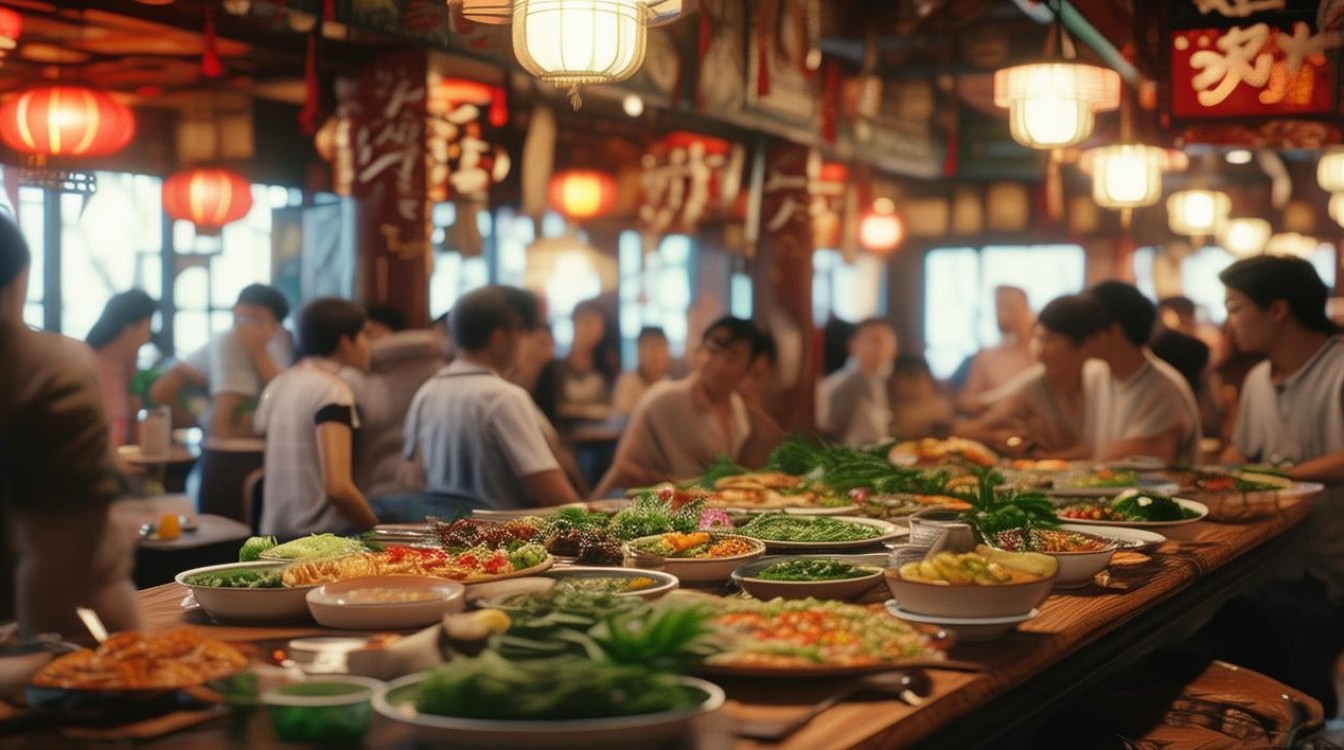
Food in China is deeply intertwined with social customs and traditions. Meals are often communal, with dishes placed at the center of the table for everyone to share. This practice reflects the value placed on family and community. Festivals and holidays also feature special foods, symbolizing prosperity, unity, and good fortune. For example:
- Spring Festival: Dumplings (饺子) are eaten to symbolize wealth, as their shape resembles ancient Chinese gold ingots.
- Mid-Autumn Festival: Mooncakes (月饼) are shared to represent family reunion.
- Dragon Boat Festival: Zongzi (粽子), sticky rice wrapped in bamboo leaves, are eaten to commemorate the poet Qu Yuan.
Beyond celebrations, Chinese food philosophy emphasizes health and balance. Ingredients like ginger, garlic, and green tea are valued for their medicinal properties, while meals are designed to nourish the body and mind.
Modern Trends and Global Influence
In recent decades, Chinese cuisine has gained worldwide popularity, adapting to local tastes while preserving its core traditions. Overseas Chinese communities have introduced dishes like chop suey and General Tso’s chicken, which, while not traditional in China, have become staples in Western Chinese restaurants. Meanwhile, modern chefs are reimagining classic dishes with innovative techniques and presentations, attracting a new generation of food enthusiasts.
Street food is another vibrant aspect of Chinese culinary culture. From savory scallion pancakes (葱油饼) to grilled skewers (串串香), street food offers an affordable and delicious way to experience local flavors. Night markets in cities like Taipei, Beijing, and Chengdu are bustling with food lovers seeking authentic and diverse snacks.
FAQs About Chinese Food
-
What is the difference between Cantonese and Sichuan cuisine?
Cantonese cuisine focuses on fresh, lightly flavored ingredients, often using steaming and stir-frying techniques to preserve natural tastes. In contrast, Sichuan cuisine is known for its bold, spicy flavors, achieved through the use of Sichuan peppercorns, chili peppers, and fermented bean paste. While Cantonese dishes like dim sum are delicate and refined, Sichuan specialties like mapo tofu are intense and numbing. -
Is Chinese food always unhealthy due to its use of oil and sodium?
Not necessarily. While some Chinese dishes, especially deep-fried or stir-fried ones, can be high in oil and sodium, many traditional preparations are quite healthy. Steaming, boiling, and braising are common cooking methods that retain nutrients. Additionally, Chinese cuisine emphasizes a balance of vegetables, lean proteins, and whole grains, making it possible to enjoy nutritious and delicious meals.
In conclusion, Chinese food is a dynamic and multifaceted culinary tradition that continues to captivate people around the world. Whether you’re savoring a bowl of hot and sour soup or sharing a plate of dumplings with friends, Chinese cuisine offers a delicious journey into culture, history, and flavor.