在雅思口语考试中,"perfume"(香水)是一个贴近生活且富有延展性的话题,既能考察日常词汇运用,也能深入探讨文化、情感和个人表达,以下从多个维度解析如何围绕"perfume"展开雅思口语回答,并提供实用表达和结构建议。
Perfume的基本描述:从感官到细节
当被问及与香水相关的话题时,首先需要构建清晰的描述框架,可以从香水的外观、香气类型、使用场景入手,结合具体细节让回答更生动。
外观与包装
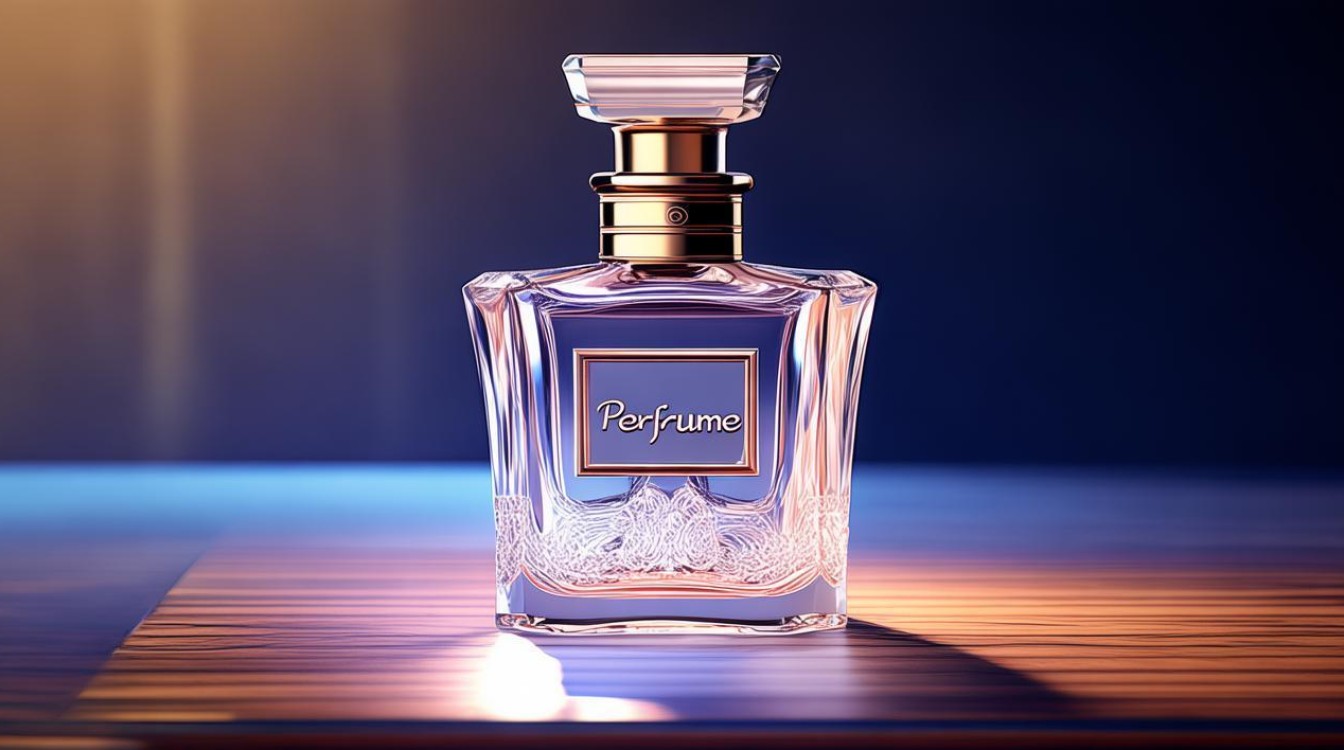
香水的包装往往体现品牌定位和设计理念,
- "I particularly love the bottle design of my favorite perfume, Chanel Coco Mademoiselle. It’s a sleek, rectangular glass bottle with a minimalist black cap and a subtle pink label. The weight of the glass feels luxurious, and the atomizer sprays a fine mist, which makes the application really even."
(描述香水瓶形状、材质、颜色等细节,体现观察力。)
香调分类
了解香调分类(香调金字塔)是展现词汇深度的关键:
- 前调(Top Notes):挥发性快,给人第一印象,如柑橘、薄荷(e.g., "The top notes of this perfume are bergamot and lemon, which give it a fresh, zesty opening")。
- 中调(Heart Notes):核心香气,如花香、果香(e.g., "The heart notes are rose and jasmine, which make it smell romantic and feminine")。
- 后调(Base Notes):持久留香,如木质、麝香(e.g., "The base notes of sandalwood and vanilla add warmth and depth, lasting for hours on the skin")。
使用场景与场合
香水需与场景匹配,可举例说明:
- "I usually wear a light, floral perfume like Dior J’adore during the day for work or casual outings because it’s not overpowering. For evening events or parties, I might opt for a stronger oriental fragrance with spices and amber, which feels more sophisticated and memorable."
Perfume与文化、情感的连接
雅思口语注重个人观点和深层思考,将香水与文化、情感结合,能展现逻辑和表达层次。
香水与文化象征
不同文化对香水的偏好和寓意各异:
- "In France, perfume is often seen as an essential part of personal etiquette, almost like a signature. For example, Guerlain is a historic French brand that’s been around since the 19th century, and their perfumes are tied to French elegance and tradition. In contrast, some Middle Eastern cultures prefer rich, oud-based fragrances, which symbolize luxury and hospitality."
(对比不同文化,体现跨文化理解。)
香水与情感记忆
香水常与回忆关联,这是口语中引发共鸣的切入点:
- "Perfume has a strong connection to memories for me. My grandmother used to wear a lavender perfume, and whenever I smell that scent now, it instantly reminds me of her kitchen on Sunday mornings. It’s amazing how a fragrance can transport you back to a specific moment and evoke such strong emotions."
(结合个人经历,让回答更具真情实感。)
Perfume的选择与偏好:个人观点+理由
雅思口语Part 1和Part 2常涉及"喜欢/不喜欢什么"及"为什么",需用具体理由支撑观点。
选择香水的因素
可从品牌、香调、季节、预算等角度展开:
- "When choosing a perfume, I consider three main things: the season, the occasion, and my mood. In summer, I prefer fresh aquatic or citrus scents because they’re light and refreshing. In winter, I lean towards spicy or woody notes that feel cozier. Brand-wise, I trust Jo Malone because their fragrances are unique and long-lasting, even if they’re a bit pricey."
不喜欢的香水类型
表达偏好时,可客观说明原因,避免绝对化:
- "I’m not a big fan of overly sweet, fruity perfumes. They tend to smell artificial to me, like candy or soda, and give me a headache after a while. I also dislike heavy musk scents because they’re too strong for my personal style—I prefer something that smells subtle and sophisticated."
Perfume的实用表达与高分词汇
核心词汇
| 类别 | 词汇 |
|---|---|
| 香调 | Woody (木质), Floral (花香), Oriental (东方), Citrus (柑橘), Aquatic (水生), Spicy (辛辣) |
| 感官 | Subtle (微妙的), Overpowering (浓烈的), Long-lasting (持久的), Refreshing (清爽的), Luxurious (奢华的) |
| 动作 | Spray (喷), Apply (涂抹), Layer (叠加), Dab (轻点) |
高分句型
- *"Not only does perfume enhance one’s personal style, but it also serves as a form of non-verbal communication."(倒装句强调多重作用)
- *"What I appreciate most about niche perfumes is their ability to tell a unique story through rare ingredients."(强调个人观点,用"what I appreciate most"开头)
Perfume相关趋势与未来展望
在Part 3讨论抽象话题时,可引入行业趋势,展现批判性思维:
- "Recently, there’s been a growing trend towards clean and sustainable perfumes. Many brands now use natural ingredients, avoid synthetic chemicals, and opt for eco-friendly packaging. This shift reflects consumers’ increasing awareness of health and environmental issues, which I think is a positive development for the industry."
(结合社会趋势,体现分析能力。)
FAQs
Q1: How can I describe a perfume’s scent if I don’t know the technical terms?
A: You can use everyday analogies! For example, "This perfume smells like a fresh garden after rain" (for floral scents) or "It reminds me of warm vanilla cookies and cinnamon" (for sweet/spicy scents). Focus on how the scent makes you feel—calm, energized, nostalgic—and compare it to familiar smells (e.g., fruits, spices, nature).
Q2: Is it better to wear popular perfumes or niche ones in daily life?
A: It depends on the occasion! Popular perfumes (like Chanel Dior or Gucci) are safe for most settings because they’re widely accepted and recognizable. Niche perfumes (from smaller, independent brands) are great for expressing individuality, but you might want to avoid overly unusual scents in formal or professional environments. The key is to choose a fragrance that suits your personality and the context—balance is everything!