
Clothes
Introduction
Clothes are an essential part of daily life, serving both practical and expressive purposes. Beyond merely providing warmth and protection, clothing reflects cultural identity, personal style, and even social status. In this article, we will explore various aspects of clothes, including their history, types, materials, and cultural significance. Additionally, we will discuss how fashion trends evolve and the role of sustainability in modern clothing choices.
The Evolution of Clothing
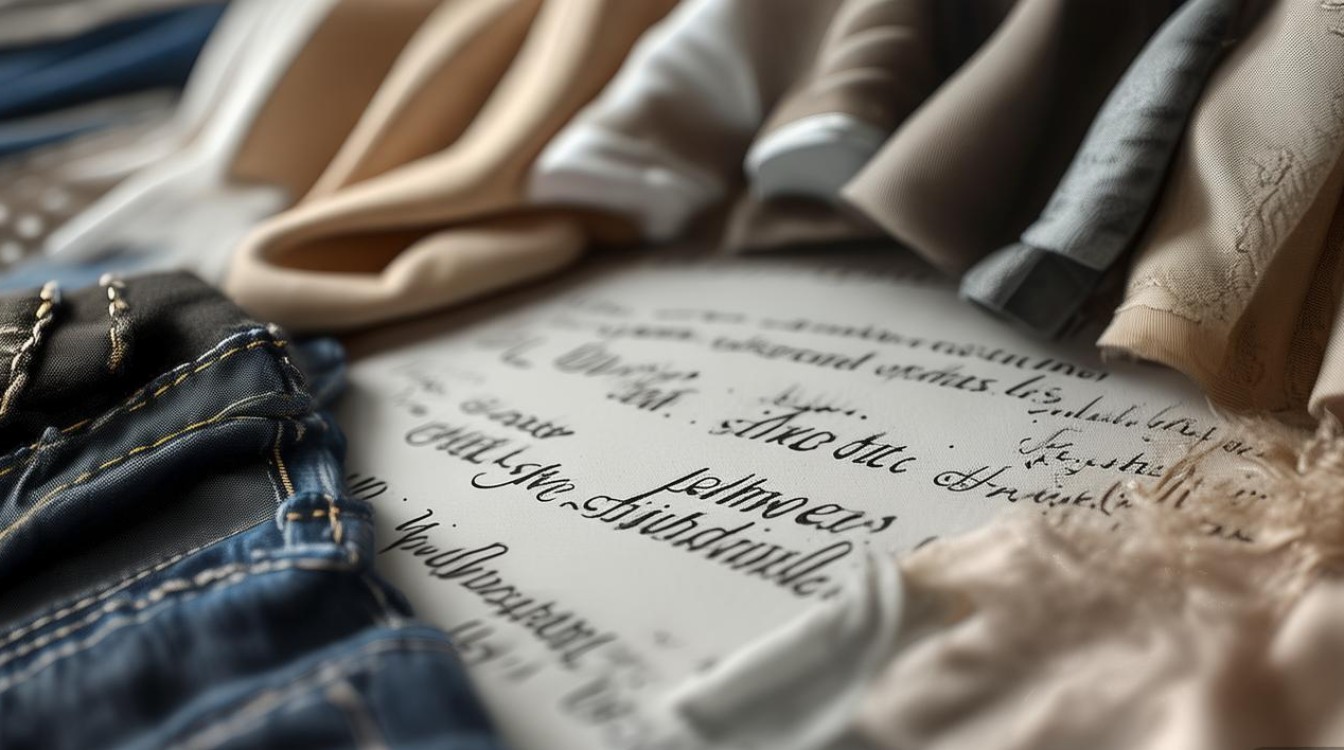
The history of clothing dates back thousands of years. Early humans used animal hides and furs to protect themselves from harsh weather. As civilizations advanced, so did clothing techniques. The invention of weaving allowed for the creation of fabrics like linen and cotton, while the Industrial Revolution revolutionized mass production. Today, clothing is not just a necessity but a form of self-expression, with trends changing rapidly due to globalization and social media.
Types of Clothing
Clothing can be categorized based on function, style, or occasion. Below is a table outlining common types of clothing and their purposes:
| Type of Clothing | Purpose | Examples |
|---|---|---|
| Casual Wear | Everyday comfort | T-shirts, jeans, hoodies |
| Formal Wear | Special occasions | Suits, dresses, tuxedos |
| Sportswear | Athletic activities | Tracksuits, sneakers, moisture-wicking fabrics |
| Workwear | Professional settings | Uniforms, blazers, safety gear |
| Traditional Wear | Cultural ceremonies | Kimono (Japan), Sari (India), Dashiki (Africa) |
Materials and Fabrics
The choice of fabric significantly impacts clothing comfort, durability, and care. Common materials include:
- Cotton: Soft, breathable, and versatile.
- Silk: Luxurious and smooth, often used for formal wear.
- Wool: Warm and insulating, ideal for cold climates.
- Polyester: Durable and wrinkle-resistant but less breathable.
- Linen: Lightweight and perfect for summer.
Sustainable fabrics like organic cotton, hemp, and recycled polyester are gaining popularity as consumers become more environmentally conscious.
Cultural Significance of Clothing
Clothing plays a vital role in cultural identity. Traditional garments often carry historical and symbolic meanings. For instance:
- Kimono in Japan represents grace and tradition.
- Sari in India is a symbol of femininity and heritage.
- Kilt in Scotland signifies clan pride.
In many cultures, specific colors and patterns hold significance. For example, white is worn at weddings in Western countries, while red symbolizes luck and joy in China.
Fashion Trends and Personal Style
Fashion trends are influenced by celebrities, social media, and cultural shifts. Some recent trends include:
- Sustainable Fashion: Eco-friendly brands and secondhand clothing.
- Oversized Silhouettes: Loose-fitting garments for comfort.
- Y2K Revival: Nostalgic styles from the early 2000s.
Personal style, however, goes beyond trends. It reflects individuality through choices in color, fit, and accessories. Building a versatile wardrobe with timeless pieces is often more practical than chasing fleeting trends.
Sustainability in Clothing
The fashion industry is one of the largest polluters globally. Fast fashion, characterized by cheap, rapidly produced clothing, contributes to waste and environmental damage. To combat this, consumers and brands are embracing sustainability through:
- Thrift Shopping: Buying secondhand to reduce waste.
- Capsule Wardrobes: Curating a small collection of versatile items.
- Eco-Friendly Brands: Supporting companies that use sustainable materials and ethical labor practices.
Caring for Clothes
Proper care extends the life of clothing and reduces environmental impact. Tips include:
- Washing clothes in cold water to save energy.
- Air-drying instead of using a dryer.
- Repairing or repurposing old garments instead of discarding them.
FAQs
How can I build a sustainable wardrobe?
Building a sustainable wardrobe starts by investing in high-quality, timeless pieces that last longer. Opt for natural fabrics like organic cotton or linen, and consider buying secondhand from thrift stores or online platforms. Additionally, embrace minimalism by creating a capsule wardrobe with versatile items that can be mixed and matched. Avoid fast fashion trends and support brands that prioritize ethical production and eco-friendly materials.
What are the benefits of wearing traditional clothing?
Traditional clothing offers a sense of cultural identity and heritage. It connects individuals to their roots and preserves historical craftsmanship. Wearing traditional garments during festivals or ceremonies fosters a sense of community and pride. Additionally, traditional clothing often features unique designs and techniques that highlight cultural artistry, making it both meaningful and aesthetically rich.