学习英语写作的过程中,许多初学者常因复杂的语法规则和冗长的表达要求而感到压力,英语小作文的核心在于“用简单的语言清晰地传递信息”,掌握一些基础技巧后,完全能快速写出内容充实、表达自然的短文,以下从写作步骤、实用技巧、常见误区及模板参考等方面,分享如何简便地完成一篇合格的英语小作文,并附上相关问答帮助解决实际困惑。
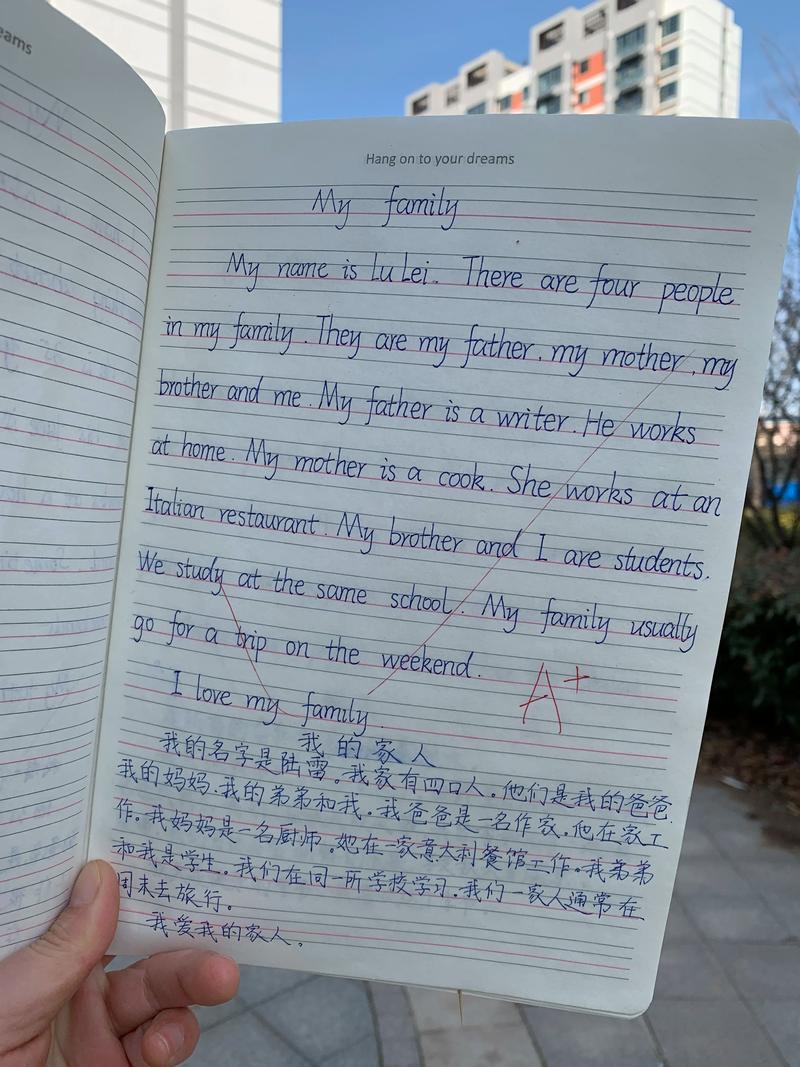
写作前的准备:明确核心,搭建框架
无论写什么主题的小作文,动笔前先花3-5分钟思考三个问题:“写给谁看?”(读者对象)、“写什么内容?”(核心主题)、“想达到什么效果?”(写作目的),给朋友写邮件分享周末计划,读者是熟悉的人,主题是“周末活动安排”,目的是让对方了解并期待,明确这三点后,用简单的思维导图或列表列出关键信息,避免写作时偏离方向。
主题“我的周末计划”可以列出:
- 周六上午:去图书馆还书、借新书
- 周六下午:和朋友去公园散步、拍照
- 周日上午:在家做饭,尝试新菜谱
- 周日下午:看一部推荐的电影
这样的清单能让写作思路清晰,减少卡顿。
写作中的技巧:化繁为简,自然表达
用简单句和基础词汇,避免“过度堆砌”
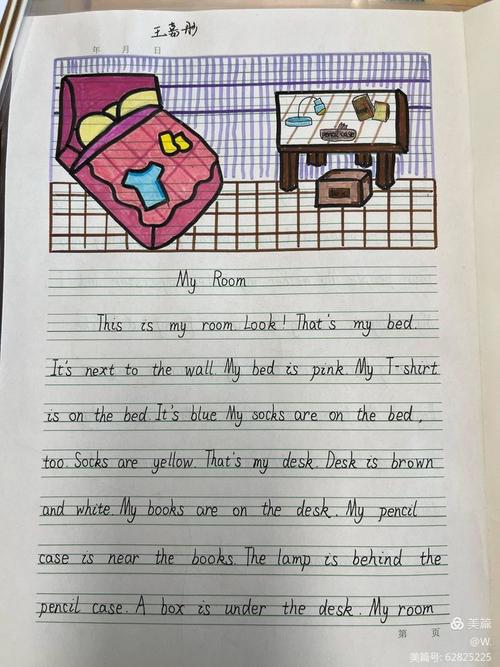
许多初学者误以为用难词、长句就能体现英语水平,其实恰恰相反,英语小作文更注重“可读性”,优先使用初中阶段学过的词汇和句式,比如主谓宾结构、there be句型、and/but/because等简单连词。
对比以下两句话:
- 复杂版:“I am endeavoring to elucidate the significance of environmental conservation in contemporary society.”
- 简单版:“I want to talk about why protecting the environment is important today.”
显然,简单句更直接,读者更容易理解,遇到不确定的难词,立刻换成一个熟悉的同义词或短语,比如用“important”代替“significant”,用“help”代替“assist”。
善用“五感描写”和具体细节,让内容更生动
小作文最怕空洞,加入具体细节能让文字更有画面感,比如描述“天气好”,不要只写“The weather is good”,可以写:“The sun is shining, and I can feel the warm wind on my face. Birds are singing in the trees.”(太阳 shining,温暖的 wind 吹在脸上,鸟在树上唱歌——用视觉、触觉、听觉让场景更真实。)
再比如写“喜欢的一本书”,除了说“I like this book”,可以补充:“The story is about a little dog. It helps its owner find a lost cat. I cried when I read the last chapter.”(故事是关于一只小狗,它帮助主人找到丢失的猫,读到最后一章时我哭了——具体情节和感受让描述更可信。)
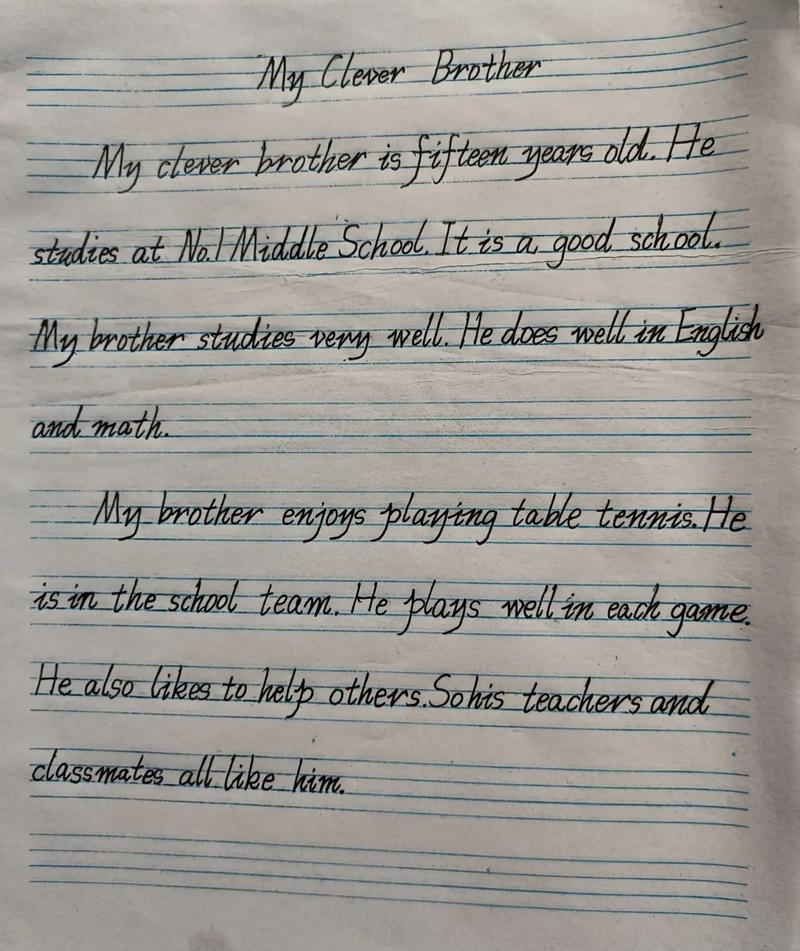
模仿基础结构,让逻辑更清晰
不同主题的小作文有固定结构,掌握基础模板后,只需替换关键词就能快速成文,以下是几种常见主题的简单结构:
(1)记叙文(如一次经历、节日活动)
开头:时间+地点+事件(Last Sunday, I went to the beach with my family.)
中间:2-3个具体细节(We built a sandcastle, then swam in the sea. In the evening, we watched the sunset.)
感受或收获(I was tired but very happy. It was a great day.)
(2)说明文(如介绍一个地方、一项爱好)
开头:介绍主题(My hobby is drawing.) I draw every weekend. I like drawing animals and flowers. It makes me relaxed.)
总结或建议(Drawing is fun. You can try it too.)
(3)书信/邮件(如给朋友写信、感谢信)
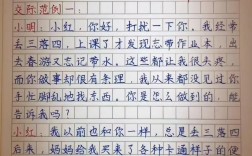
开头:称呼+问候(Dear Lily, How are you? I’m writing to share my vacation.)
中间:1-2件具体事(I visited my grandparents. They taught me to make dumplings.)
祝福+Hope to see you soon. Best wishes, Tom)
写作后的检查:快速修正,减少错误
写完后花2分钟检查三处地方,能避免大部分低级错误:
- 拼写:重点检查易错词(receive”“friend”“because”等,可以准备一个个人易错词本,随时翻看)。
- 语法:检查主谓一致(I like”不是“I likes”)、时态是否统一(如果写过去的事,动词用过去式,如“went”“played”)。
- 逻辑:读一遍,看句子之间是否连贯,有没有遗漏重要信息。
不同主题的小作文示例(含表格)
以下以“我最喜欢的季节”和“如何保持健康”为主题,提供两篇简短范文,并用表格总结关键句式,方便参考。
范文1:我最喜欢的季节(My Favorite Season)
My favorite season is autumn. I love it because the weather is neither too hot nor too cold. In autumn, the sky is blue, and the leaves on trees turn yellow and red. They look like beautiful paintings.
Every weekend, I like to go to the park with my friends. We walk on the grass and take photos of the colorful leaves. Sometimes, we sit on a bench and talk about our school life. I feel very relaxed and happy.
Autumn is also a harvest season. Many fruits, like apples and pears, are ripe. My mother often buys apples for me. They are sweet and delicious. I really love autumn!
范文2:如何保持健康(How to Keep Healthy)
Keeping healthy is very important for us. Here are some simple ways.
First, we should eat more vegetables and fruits. They have many vitamins. We should eat less junk food, like chips or candy. Second, doing exercise every day helps. We can run, swim, or play basketball. It makes our bodies strong. Third, we need enough sleep. Going to bed early and getting up early is good for us.
If we do these things, we will be healthy and happy.
关键句式总结表
| 主题类型 | 开头句 | 中间细节句 | 结尾句 |
|---|---|---|---|
| 记叙文/个人感受 | My favorite season is... / I like... because... | In..., I often... / The weather is... / I feel... | I love... very much. / It makes me happy. |
| 说明文/建议 | ...is important. / Here are some ways. | First, we should... / Second,... / Third,... | If we..., we will... / Let's... |
相关问答(FAQs)
问题1:英语小作文总是写不够字数,怎么办?
解答:写不够字数通常是因为内容太笼统,可以从“扩展细节”和“增加感受”两方面入手:
- 扩展细节:把一个简单的动作具体化,比如写“I went to the library”,可以扩展为:“Last Saturday morning, I took the bus to the city library. It was quiet, and many people were reading there.”(增加了时间、交通方式、环境描写,字数自然多了。)
- 增加感受:在描述事件后,加上自己的想法或情绪,比如写“I finished my homework”,可以补充:“I felt tired but proud, because I finished it all by myself.”(用“tired but proud”体现感受,让内容更丰满。)
适当用“and”“so”“but”等连词连接句子,也能让文章更连贯,“I was hungry, so I cooked noodles. They were delicious, and I ate them quickly.”
问题2:写英语小作文时,总觉得自己语法错误多,怎么避免?
解答:语法错误多主要是因为对基础规则掌握不熟练,可通过“三步法”减少错误:
- 优先用“安全句式”:写作时只确定自己掌握的句型,比如主谓宾(I love apples.)、there be(There are three books on the desk.),避免尝试复杂的从句(如定语从句、状语从句) unless you're very confident.
- 写完一句检查一句:不要等到全文写完再检查,每写完一句话,立刻回头看主谓是否一致、时态是否正确,比如写“He play football”,马上发现“play”应该用“plays”(第三人称单数)。
- 积累“正确搭配”:准备一个小本子,记录固定搭配,做运动”是“do sports”(不是“make sports”),“帮助某人”是“help sb.”(不是“help sb with”),写作时优先翻看本子,避免搭配错误。
如果对某个句子不确定,可以换成更简单的表达,比如不确定“Although it was raining, we went out.”是否正确,就改成“It was raining, but we went out.”(用“but”更简单,也不易出错。)
写简便的英语小作文不需要华丽的辞藻,只要“思路清晰、用词简单、细节真实”,就能轻松完成,平时多读简单范文,模仿结构和表达,再勤加练习,很快就能写出让读者满意的短文。