
雅思口语考试中,scenery”的话题是高频考点,不仅考察考生对自然景观或城市风貌的描述能力,还涉及个人情感、文化认知及语言表达的丰富性,以下从核心词汇、高分思路、实用范例及备考建议四个维度,系统解析如何攻克这一话题。
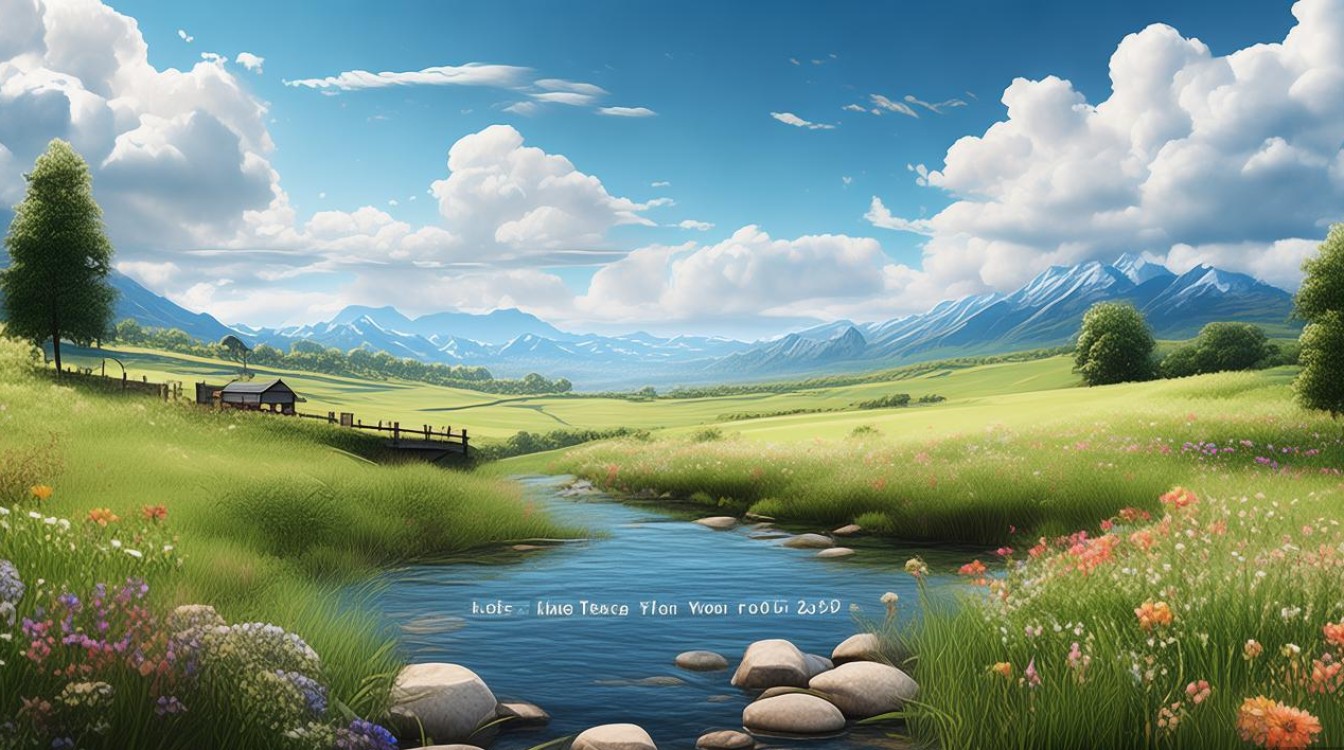
核心词汇积累:精准描述“scenery”
描述 scenery 时,需避免重复使用“beautiful”“pretty”等基础词汇,转而通过具体场景的细分词汇提升表达精度,以下是分类词汇库,助力考生构建立体化描述:
自然景观(Natural Scenery)
- 地形地貌:rolling hills(连绵起伏的丘陵)、steep cliffs(陡峭的悬崖)、lush valleys(郁郁葱葱的山谷)、meandering rivers(蜿蜒的河流)
- 植被生态:dense forest(茂密的森林)、tropical rainforest(热带雨林)、blooming wildflowers(盛开的野花)、ancient trees(古树)
- 气象水文:crystal-clear lake(清澈的湖泊)、gentle breeze(微风)、sunrise/sunset(日出/日落)、afternoon mist(午后薄雾)
城市风貌(Urban Scenery)
- 建筑风格:modern skyscrapers(现代摩天大楼)、historic architecture(历史建筑)、quaint streets(古雅的街道)、neatly arranged buildings(排列整齐的建筑)
- 公共空间:bustling square(繁华的广场)、peaceful park(宁静的公园)、waterfront promenade(滨水步道)、colorful murals(色彩鲜艳的壁画)
- 氛围动态:vibrant nightlife(充满活力的夜生活)、laid-back atmosphere(悠闲的氛围)、well-maintained gardens(维护良好的花园)
情感与氛围(Emotion & Atmosphere)
- 积极感受:serene(宁静的)、breathtaking(令人叹为观止的)、picturesque(如画的)、refreshing(令人心旷神怡的)
- 消极感受:bleak(荒凉的)、crowded(拥挤的)、dull(单调的)、polluted(被污染的)
高分思路:构建“场景+细节+感受”逻辑链
雅思口语评分注重“内容连贯性”与“语言生动性”,回答 scenery 题时,建议采用“总-分-总”结构,通过“场景引入→细节展开→个人感悟”三层逻辑,避免零散描述。
场景引入:明确主题,定位具体场景
避免泛泛而谈“我喜欢美丽的风景”,而是锁定具体地点,如“我家乡的湖”或“去年去过的山区”。
“The scenery I’d like to describe is West Lake in Hangzhou, which I visited last autumn. It’s not just a lake; it’s a living poem blending nature and human heritage.”
细节展开:多维度描绘,调动感官
从视觉、听觉、嗅觉等角度添加细节,让画面更立体,例如描述 West Lake:
- 视觉:willows swaying gently by the shore, lotus flowers in full bloom, boats gliding across the shimmering water under the golden sunlight.
- 听觉:the sound of waves lapping against the banks, distant laughter from tourists, birds chirping in the nearby trees.
- 嗅觉: the fresh scent of lotus mixed with the earthy fragrance of damp soil after a light rain.
个人感悟:关联情感与文化价值
将 scenery 与个人经历、文化记忆结合,体现思考深度。
“What strikes me most is how West Lake reflects the harmony between humans and nature. For centuries, poets and artists have drawn inspiration from it, making it more than a landscape—it’s a symbol of our cultural identity.”
实用范例:高频场景参考
以下提供两个高频场景的完整回答,供考生参考模仿:
范例1:描述“家乡的山区”
“My hometown is nestled in a mountainous region in southwest China, and the most breathtaking scenery is the ‘Green Dragon Valley’ just a few kilometers away. In spring, the valley comes alive with endless layers of green: pine trees cover the slopes, while wild orchids and azaleas paint the forest floor in pink and purple. The real highlight, though, is the waterfall at the valley’s end. It’s not very tall, but the water cascades over mossy rocks, creating a mist that catches the sunlight like scattered diamonds. I love going there in the early morning when the fog still hangs low—you can hear the stream gurgling and the birds calling, and it feels like the whole world is quiet except for nature’s symphony. This scenery reminds me of how peaceful and beautiful simplicity can be, away from the chaos of the city.”
范例2:描述“城市公园”
“I often spend weekends in People’s Park in downtown Shanghai. It’s a green oasis in the middle of a bustling metropolis, with scenery that changes with the seasons. In summer, the lotus pond is the centerpiece—dozens of pink and white flowers float on the water, and their leaves provide shade for fish swimming beneath. Around the pond, elderly people practice tai chi, children chase each other on the lawn, and artists sketch the scenery on benches. What I love most is the sunset view from the park’s hill: you can see the city skyline silhouetted against the orange sky, with modern skyscrapers glowing like lanterns. It’s a perfect blend of nature and urban life, showing how a city can breathe.”
备考建议:提升表达灵活性与流利度
- 积累个性化素材:避免使用模板化答案,结合自身经历选择真实场景(如“童年常去的河边”“旅行中印象深刻的海滩”),让描述更具真情实感。
- 练习复杂句式:适当使用定语从句(“The valley where I used to play as a child has changed a lot.”)、状语从句(“When I stand on the hilltop, I feel like I can see the whole world.”)和分词结构(“Walking along the riverbank, I noticed the colorful reflections of the trees in the water.”),展示语言驾驭能力。
- 模拟实战练习:针对 Part 1(简单描述)、Part 2(个人经历)、Part 3(深入讨论)不同题型,分别准备素材,Part 3 可能被问及:“Do you think people in modern cities still appreciate natural scenery?”,需结合城市发展、环保意识等角度展开。
相关问答(FAQs)
Q1: 如何在雅思口语 Part 2 中避免描述 scenery 时内容过于单薄?
A: 解决“内容单薄”的关键是添加“具体细节+个人故事”,若描述“海滩”,不要只说“沙滩很美”,而是补充:“I remember building sandcastles with my little sister at dawn, when the sand was still cool and wet, and we found a tiny crab hiding in its shell. That moment made the scenery feel alive.” 通过具体动作、感官体验和情感联结,让描述更有层次感。
Q2: 雅思口语中,描述城市 scenery 和自然 scenery 哪个更容易拿分?
A: 两者没有绝对优劣,但需结合个人优势选择,自然 scenery 更易融入感官描写(视觉、听觉、嗅觉)和情感抒发,适合擅长画面感的考生;城市 scenery 可结合文化、科技、社会现象(如“传统与现代的碰撞”),适合逻辑思维强、能展开讨论的考生,建议选择自己熟悉且有独特经历的场景,确保表达自然流畅,而非强行“押题”。