
在雅思口语考试中,"bargain"(议价、讨价还价)是一个高频实用话题,它不仅考验考生的语言表达能力,还涉及文化差异、生活场景和沟通技巧等多个维度,无论是日常购物、市场交易,还是商业谈判,"bargain"都承载着丰富的文化内涵和实用价值,本文将围绕雅思口语话题"bargain"展开,从核心概念、场景应用、文化差异、表达技巧和备考建议五个方面进行详细解析,帮助考生全面掌握这一话题。
核心概念:什么是"bargain"?
"Bargain"在英语中有多重含义,作为名词时可指"廉价品"或"协议",作为动词时则表示"议价、讨价还价",在雅思口语考试中,考官通常会围绕"bargain"的生活场景提问,Have you ever bargained for something?"(你曾经讨价还价过吗?)或"Do you like bargaining?"(你喜欢讨价还价吗?),考生需明确"bargain"的核心语境:通过沟通降低价格或达成双方满意的协议。
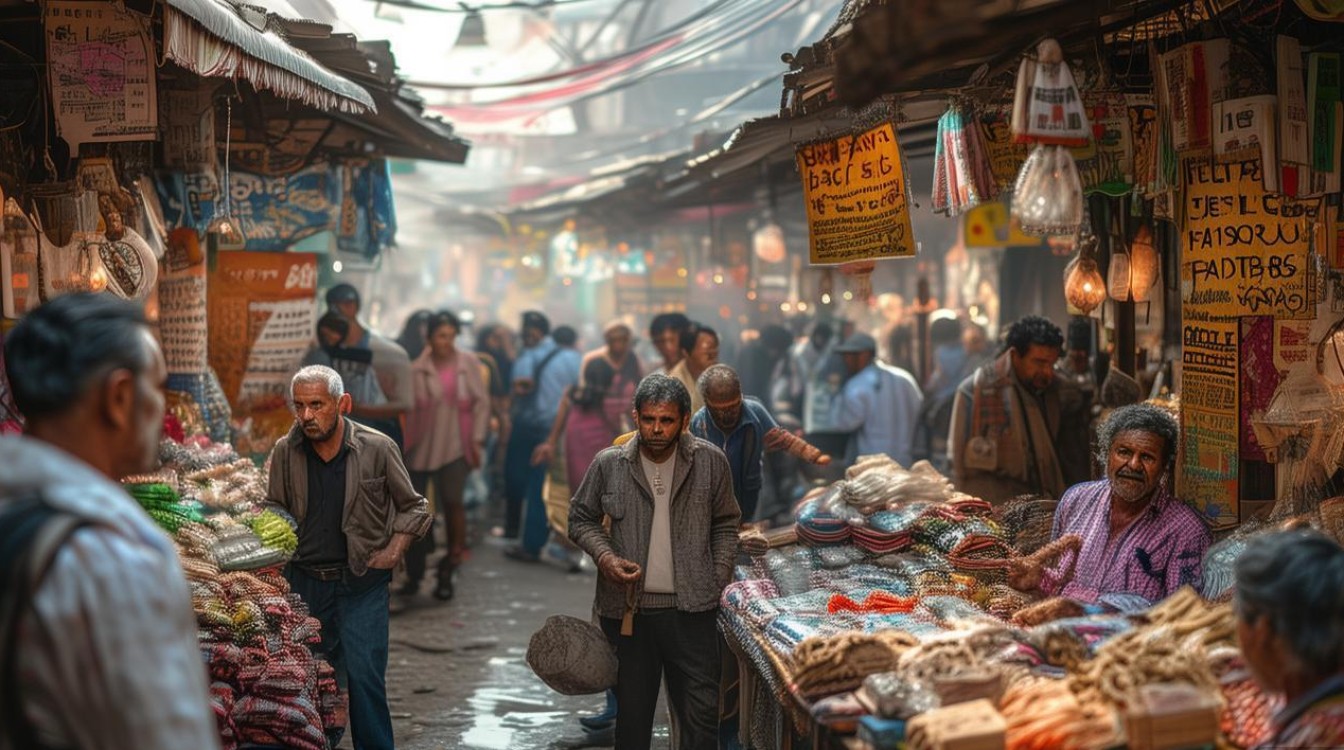
从文化角度看,"bargain"在不同国家的社会接受度差异显著,在东南亚市场(如泰国、印度)、中东集市(如迪拜黄金市场)或国内二手交易中,议价是常态;而在欧美发达国家的大型超市、连锁品牌店,明码标价制度普遍,议价行为较少见,这种文化差异常成为口语考试中的延伸考点,考生需结合自身经历或文化知识展开论述。
场景应用:生活中的"bargain"场景
雅思口语话题"bargain"的考察场景主要集中在日常生活和商业交易中,以下是高频场景分类及表达示例:
市场与集市(Markets and Bazaars)
在传统市场或特色集市中,议价是核心环节,考生可描述与摊主互动的过程,"Last summer, I visited a night market in Bangkok and bargained for a hand-made leather bag. I started by offering half the initial price, and after 10 minutes of friendly negotiation, we settled at 60% of the original quote."(去年夏天,我在曼谷的夜市为一个手工皮包讨价还价,我先从初始价格的一半开始出价,经过10分钟的友好协商,最终以原价的60%成交。)
二手交易(Second-hand Deals)
二手平台(如闲鱼、eBay)或跳蚤市场中的议价更注重物品的实际价值,考生可强调对物品的评估:"When I bought my second-hand bicycle on Xianyu, I inspected its condition carefully, checked the market price for similar models, and then proposed a price 20% lower than the seller's asking price. Finally, we agreed on a fair deal."(当我在闲鱼上买二手自行车时,我仔细检查了车况,查询了类似型号的市场价格,然后出价比卖家的挂牌价低20%,最终达成了公平的交易。)
旅游购物(Tourist Shopping)
在旅游目的地,游客常面临"宰客"风险,议价技巧尤为重要。"In Istanbul's Grand Bazaar, I learned that bargaining is not just about price but also about building rapport. The seller offered me apple tea, chatted about my travel experiences, and then gradually reduced the price of a carpet from 200 euros to 120 euros."(在伊斯坦堡的大巴扎,我意识到议价不仅是价格问题,更是建立关系的过程,卖家请我喝苹果茶,聊我的旅行经历,然后将地毯价格从200欧元逐步降到120欧元。)
文化差异:东西方"bargain"文化对比
东西方在"bargain"文化上的差异是雅思口语的高频考点,以下通过表格对比分析:
| 维度 | 东方文化(以中国为例) | 西方文化(以欧美为例) |
|---|---|---|
| 社会接受度 | 集市、菜市场等场景普遍接受议价,被视为"精明"的表现 | 大型超市、连锁店明码标价,议价可能被视为"不礼貌" |
| 沟通风格 | 直接砍价,常用"太贵了,便宜点"等口语化表达 | 更注重礼貌和技巧,常以"Is the price flexible?"(价格可以商量吗?)试探 |
| 核心目标 | 以最低价格成交,强调"省钱" | 追求"公平价格",重视交易过程中的体验和尊重 |
| 典型案例 | 北京潘家园古玩市场、义乌小商品市场 | 纽约跳蚤市场、伦敦波特贝罗路古董街 |
考生在回答相关问题时(如"Do people in your country like to bargain?"),可结合上述对比,举例说明本国文化特点,"In China, bargaining is deeply rooted in daily life, especially in traditional markets. For instance, my grandmother always bargains for vegetables at the wet market, considering it a way to communicate with vendors and get a reasonable price."(讨价还价深深植根于日常生活,尤其是在传统市场,我奶奶总是在菜市场讨价还价,认为这是一种与摊主沟通并获取合理价格的方式。)
表达技巧:如何用英语自然"bargain"?
在雅思口语中,准确运用与"bargain"相关的词汇和句式能提升回答的流畅度和地道性,以下是实用表达分类:
开场与试探(Opening and Probing)
- "Is this your best price?"(这是你的最低价吗?)
- "Could you come down a bit?"(价格能降一点吗?)
- "I'm interested, but the price is a bit steep."(我很感兴趣,但价格有点高。)
还价与协商(Counter-offering and Negotiating)
- "I can offer 100 yuan, is that acceptable?"(我能出100元,可以接受吗?)
- "If I buy two, can you give me a discount?"(如果买两个,能给我折扣吗?)
- "How about splitting the difference?"(我们各让一步怎么样?)
达成与放弃(Reaching an Agreement or Giving Up)
- "Deal!"(成交!)
- "That's a fair price."(价格很公道。)
- "I'll think about it and come back later."(我考虑一下,稍后再回来。)
核心词汇(Key Vocabulary)
- 动词:bargain, negotiate, haggle, overcharge(宰客)
- 名词:discount(折扣), markdown(降价), price tag(价格标签), counter-offer(还价)
- 形容词:reasonable(合理的), inflated(虚高的), negotiable(可商量的)
备考建议:如何准备"bargain"话题?
针对雅思口语话题"bargain",考生可从以下三方面高效备考:
积累个人经历
准备2-3个与"bargain"相关的真实故事(如成功议价、被宰经历、文化差异体验),用"情境-问题-解决-结果"结构梳理,确保细节丰富(如时间、地点、人物、对话)。"Once, I bargained for a silk scarf in a Vietnamese market. The initial price was 500,000 VND, and I finally bought it for 300,000 VND after a 15-minute negotiation."(有一次,我在越南市场为一条丝巾讨价还价,初始价格是50万越南盾,经过15分钟协商后,最终以30万越南盾买到。)
模拟场景练习
与伙伴或通过录音模拟口语考试场景,重点练习以下问题:
- "Do you think bargaining is important? Why?"(你认为议价重要吗?为什么?)
- "What's the key to successful bargaining?"(成功议价的关键是什么?)
- "How has bargaining changed with the rise of online shopping?"(随着网上购物的兴起,讨价还价发生了什么变化?)
拓展文化视角
阅读关于不同国家议价习惯的文章(如《Lonely Planet》中的旅行购物指南),或观看相关视频(如YouTube频道的"Bargaining in Asia"),积累文化对比案例,避免回答时出现以偏概全的问题。
FAQs
Q1: 在雅思口语考试中被问到"Do you like to bargain?"时,如何给出有亮点的回答?
A: 避免简单回答"Yes/No",而是结合个人经历和文化分析。"I enjoy bargaining in specific contexts, like traditional markets or tourist spots, where it's part of the cultural experience. However, I dislike it in chain stores or online platforms, as I prefer transparent pricing. For instance, last year in Marrakech, bargaining for a lantern taught me patience and cross-cultural communication, but I never bargain in supermarkets because I value efficiency."(我喜欢在特定场景下讨价还价,比如传统市场或旅游景点,因为那是文化体验的一部分,但我讨厌在连锁店或网上平台讨价还价,因为我喜欢透明的价格,去年在马拉喀什,为一个灯笼讨价还价教会了我耐心和跨文化沟通,但我从不在超市讨价还价,因为我重视效率。)
Q2: 如果没有讨价还价的经验,如何回答"Have you ever bargained for something?"?
A: 可通过间接经验或假设场景展开,"While I haven't bargained much in person, I often negotiate prices when shopping on second-hand platforms like Xianyu. I research items carefully, compare prices, and message sellers to propose reasonable offers. Additionally, I observed my parents bargaining at a flea market last month, and they shared tips on how to assess an item's value before starting the negotiation."(虽然我很少当面讨价还价,但我经常在闲鱼等二手平台购物时与卖家协商价格,我会仔细研究商品、对比价格,然后给卖家发信息提出合理的报价,我上个月在跳蚤市场观察父母讨价还价,他们还分享了如何在议价前评估商品价值的方法。)