
animal主题口语
在英语学习中,"animal"主题是口语练习的经典素材,既贴近生活又充满趣味,无论是日常对话、学术讨论还是文化交流,动物相关的话题都能帮助学习者丰富词汇、提升表达流畅度,并增强跨文化沟通能力,本文将从核心词汇、实用句型、场景应用及文化延伸四个方面,系统梳理"animal"主题口语的要点,并提供实用建议。
核心词汇:从基础到进阶
掌握与动物相关的词汇是口语表达的基础,以下分类整理了常用词汇,帮助学习者系统记忆:
| 类别 | 基础词汇 | 进阶词汇 |
|---|---|---|
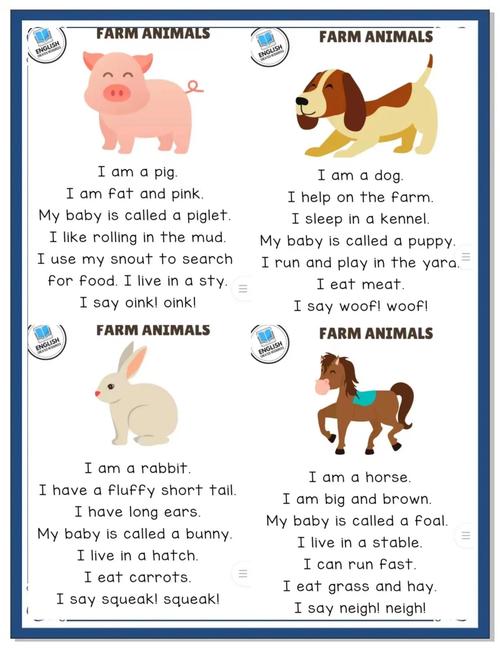
| 常见动物 | dog, cat, bird, fish, rabbit | dolphin, eagle, panda, kangaroo |
| 特征描述 | big, small, cute, scary | fierce, majestic, agile, nocturnal |
| 行为动作 | eat, sleep, run, swim | migrate, hibernate, camouflage, roar |
| 栖息环境 | land, water, forest, zoo | savanna, jungle, Arctic, desert |
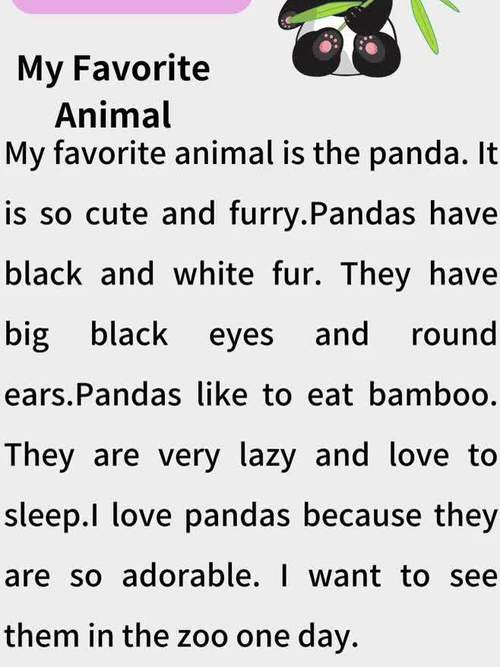
描述熊猫时,可使用进阶词汇:"Pandas are majestic creatures that hibernate during winter."(熊猫是威严的动物,它们会在冬眠。)
实用句型:构建流畅对话
围绕动物主题,以下句型可帮助学习者开启、延续并深化对话:
-
表达喜好
 (图片来源网络,侵删)
- "I’m a big fan of dolphins because they’re intelligent."
- "What’s your favorite animal? Why?"
-
描述特征
- "Elephants have trunks to help them drink water."
- "Chameleons can change colors to hide from predators."
-
讨论行为
- "Did you know that wolves hunt in packs?"
- "How do birds build their nests?"
-
提出观点
- "I believe zoos play a vital role in wildlife conservation."
- "Should animals be kept in captivity? I think it depends on the species."
场景应用:真实语境中的实践
动物主题口语可应用于多种场景,以下为典型情境及对话示例:

场景1:宠物交流
A: "Do you have any pets?"
B: "Yes, I have a tabby cat named Whiskers. He’s playful and loves chasing mice."
A: "That’s adorable! Cats are low-maintenance compared to dogs, right?"
场景2:动物园参观
A: "Look at the giraffes! Their long necks help them reach leaves."
B: "True! I read that they sleep standing up—it’s fascinating."
场景3:环保讨论
A: "Have you heard about plastic pollution harming marine life?"
B: "Yes, sea turtles often mistake plastic bags for jellyfish. We should reduce single-use plastics."
文化延伸:动物在语言中的象征意义
动物在不同文化中具有象征意义,了解这些差异能避免口语中的误解:
- 西方文化:Dogs象征"loyalty"(忠诚),如"Man’s best friend"(人类最好的朋友)。
- 中国文化:Dragons代表"power and good fortune"(权力与吉祥),与西方邪恶的龙形象相反。
- 印度文化:Cows被视为"sacred"(神圣的),体现了对自然的敬畏。
讨论中避免说"Dragons are scary",可改为"In Western myths, dragons are often portrayed as villains, but in Chinese culture, they symbolize luck."
FAQs
Q1: 如何用英语描述动物的外貌特征?
A: 可使用形容词+身体部位的句型,"A lion has a mane (鬃毛) around its neck" 或 "Parrots have colorful feathers and a curved beak (弯曲的喙)。" 可通过比喻增强生动性,如:"A peacock’s tail is like a vibrant fan."
Q2: 如何在口语中讨论动物保护话题?
A: 可从现状、原因和解决方案展开:
- 现状:"Many species, like tigers, are endangered due to habitat loss."
- 原因:"Deforestation and poaching (偷猎) are the main threats."
- 解决方案:"Governments should enforce stricter laws, and individuals can support wildlife sanctuaries (野生动物保护区)." "We can help by reducing carbon footprints to protect polar bears’ Arctic home."
通过系统积累词汇、灵活运用句型,并结合文化背景,学习者能自信地围绕"animal"主题展开深入讨论,让口语表达更生动、地道。